May 21, 2026

Year: 2025

Navigating the world of cryptocurrency can be daunting, especially when considering options like Bitcoin ATMs. This guide provides a comprehensive overview of Bitcoin ATM locations in South Africa, detailing the process of buying Bitcoin at these machines. We’ll also touch upon the security aspects and regulations that govern this emerging financial landscape.

Finding a reliable Bitcoin ATM in South Africa requires research and understanding the available options. This resource aims to simplify the process, empowering users to make informed decisions when purchasing Bitcoin through this channel.

Introduction to Bitcoin ATMs in South Africa

Bitcoin ATMs are a readily available means for South Africans to acquire Bitcoin. Their widespread presence across the country makes them a convenient option for those looking to engage in cryptocurrency transactions. This accessibility has been fueled by a growing interest in Bitcoin and other cryptocurrencies within South Africa.The evolution of Bitcoin ATMs in South Africa mirrors the global trend.

Early adoption saw limited availability, primarily concentrated in urban centers. As the cryptocurrency market matured and user interest increased, so did the number of Bitcoin ATMs, spreading to more suburban and rural areas. This expansion reflects a larger trend of accessibility and integration of cryptocurrencies into mainstream financial systems.

Overview of Bitcoin ATM Availability

Bitcoin ATMs are becoming increasingly common in South Africa, providing a readily accessible way to buy and sell Bitcoin. Their presence is notable in urban areas, with a growing trend toward wider distribution across the country. This accessibility is a positive aspect for those seeking to engage in cryptocurrency transactions without the complexities of traditional financial institutions.

History and Evolution of Bitcoin ATMs

The early Bitcoin ATMs in South Africa primarily served as pilot programs for cryptocurrency adoption. These initial deployments focused on urban centers, often catering to a tech-savvy demographic. As the technology and understanding of cryptocurrencies advanced, the range of users seeking to engage in Bitcoin transactions grew. This expanded user base drove the need for greater accessibility, leading to the growth in the number of Bitcoin ATMs across the country.

Types of Bitcoin ATMs

Bitcoin ATMs in South Africa are largely similar in functionality to their global counterparts. The primary distinction lies in the specific providers and the varying features they may offer. Different providers may have different interfaces and support various cryptocurrencies, but the core function—buying and selling Bitcoin—remains consistent.

Fees Associated with Bitcoin ATMs

Transaction fees are a crucial consideration when using Bitcoin ATMs. These fees vary depending on the specific provider and the amount of Bitcoin purchased. A common practice is a percentage-based fee, adding to the overall cost of the transaction. It’s essential to compare fees from different providers to find the most cost-effective option. It’s also important to be aware that these fees can vary, and users should always check the current pricing structure with the ATM provider.

Comparison of Bitcoin ATM Providers

Provider Location Fees Features
Example Provider 1 Example Location (e.g., major city) Example Fee (e.g., 5% of transaction) Example Feature (e.g., user-friendly interface, various cryptocurrencies)
Example Provider 2 Example Location (e.g., suburban area) Example Fee (e.g., 6% of transaction) Example Feature (e.g., multilingual support, 24/7 availability)

The table above provides a rudimentary comparison. Comprehensive analysis would require further investigation into specific provider details, including their fee structures, available cryptocurrencies, and user reviews. A thorough comparison is recommended for individuals to select the most suitable provider based on their specific needs.

Finding Bitcoin ATMs in South Africa

Locating Bitcoin ATMs in South Africa is straightforward with the right resources. Knowing where to look can save you time and potentially money. This section Artikels reliable methods for finding these machines, ensuring a smooth and efficient transaction.

Reliable Resources for Bitcoin ATM Locations

Finding Bitcoin ATMs in South Africa is made easier by a variety of online resources. These tools offer up-to-date information on ATM locations, saving you the effort of manual searching. Leveraging these platforms can significantly streamline your search process.

  • Dedicated Bitcoin ATM Directories:
  • Several websites and mobile apps specialize in compiling listings of Bitcoin ATMs. These resources often feature detailed information, including the ATM’s precise address, operating hours, and sometimes even transaction fees. This targeted approach is crucial in narrowing down your search and finding a suitable ATM nearby.

  • Online Search Engines:
  • General search engines like Google can also be utilized to locate Bitcoin ATMs in specific areas. By incorporating relevant s like “Bitcoin ATM [City Name],” “Bitcoin ATM [Neighborhood],” or “Bitcoin ATM near me,” you can often find relevant listings. Be sure to filter the results to find the most recent listings and up-to-date information.

  • Mapping Services:
  • Employing mapping services such as Google Maps, Bing Maps, or similar platforms, allows you to pinpoint Bitcoin ATMs near your current location. This method offers a visual representation of ATM locations and distances, allowing you to select the most convenient option. This approach is particularly helpful when you’re on the move or planning a trip.

Using Online Maps and Directories

Leveraging online maps and directories to locate Bitcoin ATMs is efficient. These tools allow you to pinpoint ATMs close to your current location or planned destination. This is a convenient approach for discovering nearby ATMs.

For instance, searching on Google Maps for “Bitcoin ATM near me” will typically yield a list of nearby ATMs. You can then filter results by distance, opening hours, and other relevant criteria. Using the map feature will allow you to see the ATM’s precise location and directions.

Summary of Online Resources

The following table summarizes various online resources for finding Bitcoin ATMs in South Africa.

Resource Type Pros Cons
CoinATMradar Website Comprehensive listings, often updated, detailed information on fees and hours May not be as user-friendly as a mobile app
LocalBitcoins Website Well-established platform, potentially high volume of users May not solely focus on ATM locations
Google Maps Mobile App/Web Easy to use, readily available, visual representation Information may not be as detailed as dedicated Bitcoin ATM directories
Bitcoin ATM Finder App Mobile App Convenient access, often with features like filtering by distance and hours App availability and reliability can vary

Buying Bitcoin at ATMs

Purchasing Bitcoin through ATMs in South Africa is a convenient option for many. However, understanding the process and potential risks is crucial for a secure transaction. This section details the procedure and considerations for using Bitcoin ATMs.The process of buying Bitcoin at an ATM is generally straightforward, resembling a traditional cash-to-card transaction. Users insert cash, select the desired Bitcoin amount, and receive the corresponding Bitcoin.

However, unique procedures and security measures exist within the Bitcoin ATM environment, which this section explores.

ATM Purchase Process

The Bitcoin ATM purchase process typically involves several steps. Firstly, users select the desired amount of Bitcoin they wish to purchase. This is usually done by inputting the amount or selecting from pre-set options. Next, the user inserts the required cash amount into the ATM. Crucially, the ATM verifies the cash and then generates a unique transaction code, often displayed on a screen or printed receipt.

This step is vital as it confirms the transaction’s validity. Following this, the user confirms the transaction on the ATM screen. Finally, the ATM dispenses the Bitcoin, typically in a digital wallet or by providing an address where the Bitcoin can be sent. The whole process usually takes a few minutes, from initial selection to the Bitcoin disbursement.

Identification Requirements

Security measures are critical when purchasing Bitcoin. Bitcoin ATMs typically require users to provide identification, which is vital for verifying their identity. Examples of acceptable identification documents might include a South African ID document, passport, or driver’s license. These documents often need to be scanned or presented to the ATM for verification purposes. The specific requirements can vary from ATM to ATM, and it’s always recommended to check with the ATM provider for precise details.

Security Concerns

While convenient, using Bitcoin ATMs comes with inherent security concerns. The possibility of ATM malfunctions or fraudulent activity is a concern. Furthermore, the vulnerability to physical theft or damage of the ATM itself is a significant risk. Users should be vigilant about the ATM’s surroundings and take necessary precautions. Using reputable Bitcoin ATM providers can mitigate some risks, but complete security is never guaranteed.

Furthermore, users should be wary of phishing attempts or fraudulent websites claiming to be affiliated with Bitcoin ATMs.

Step-by-Step Guide

  1. Locate a Bitcoin ATM near you, checking reviews and the ATM provider’s reputation.
  2. Ensure you have the necessary identification documents, like an ID or passport.
  3. Choose the desired amount of Bitcoin to purchase.
  4. Insert the correct cash amount into the ATM.
  5. Provide the necessary identification for verification.
  6. Confirm the transaction on the ATM screen.
  7. Receive the Bitcoin in your designated wallet or by providing a Bitcoin address.
  8. Keep a record of the transaction and your receipt.

Buying Bitcoin in General

Buy 2 Get 1 Free Promotional Banner Vector, Buy Two Get One Free, Get 1 ...

Beyond Bitcoin ATMs, a variety of methods exist for acquiring Bitcoin. These alternatives offer varying levels of convenience, security, and associated fees. Understanding these different approaches is crucial for making informed decisions about your Bitcoin purchases.Online exchanges are a popular and convenient way to buy Bitcoin. They provide a platform for users to trade cryptocurrencies with ease.

Many factors influence the choice of an exchange, such as the available payment methods, transaction fees, security measures, and overall user experience. This section delves into the diverse options available, highlighting key differences and considerations.

Various Methods for Buying Bitcoin

Different methods for acquiring Bitcoin cater to various needs and preferences. Beyond ATMs, individuals can utilize bank transfers, credit/debit cards, or peer-to-peer (P2P) platforms. Each method comes with its own set of advantages and disadvantages. For instance, bank transfers often involve slightly higher fees but are generally more secure, while credit/debit cards offer faster transaction times.

Comparison of Buying Bitcoin Through ATMs vs. Other Methods

Bitcoin ATMs offer a readily available, physical alternative to online exchanges. However, their transaction fees and the availability of payment methods are often limited compared to online exchanges. This comparison underscores the trade-offs involved in choosing one method over another.

Online Bitcoin Exchanges

Online platforms facilitate Bitcoin purchases with various payment options and levels of security. The diverse range of exchanges necessitates careful consideration of key factors such as fees, security protocols, and available features.

Comparison Table of Popular Online Bitcoin Exchange Platforms

Exchange Features Fees Security
Binance Wide range of cryptocurrencies, advanced trading tools, low fees for high-volume traders Variable, tiered based on trading volume Robust security measures, multi-factor authentication, cold storage
Coinbase User-friendly interface, suitable for beginners, fiat currency deposits Variable, tiered based on trading volume Strong security, insured customer funds, regulatory compliance
Kraken High trading volume, advanced features for experienced traders, low fees for high-volume traders Variable, tiered based on trading volume Excellent security, cold storage, multiple security layers
Gemini Focus on security and compliance, strong regulatory oversight, user-friendly interface Variable, tiered based on trading volume High security standards, insurance for customer funds

Note: Fees and security measures can change. Always review the latest information on the specific exchange’s website.

Security Considerations

Buying Bitcoin, like any financial transaction, requires careful attention to security. Bitcoin ATMs, while convenient, introduce specific risks that need to be understood and mitigated. Understanding these risks and adopting best practices is crucial to protecting your investment and personal information.Bitcoin transactions, while often portrayed as anonymous, are ultimately traceable. Security vulnerabilities, whether through physical attacks on ATMs or fraudulent activities online, can lead to significant losses.

Taking proactive steps to safeguard your financial assets is paramount.

Importance of Security in Bitcoin Purchases

Protecting your financial assets is paramount when engaging in Bitcoin transactions. Bitcoin, while digital, represents a valuable asset that can be lost due to security breaches. Careful consideration of security protocols is essential to prevent potential losses and protect your personal information.

Common Security Risks Associated with Bitcoin ATMs

Bitcoin ATMs, while convenient, can be vulnerable to various security risks. Physical theft of the ATM itself or unauthorized access to its internal systems pose significant threats. Tampering with the machine or exploiting vulnerabilities in its software are also possibilities. Users should be vigilant about the environment and surroundings during ATM transactions to prevent potential physical threats.

Criminals may target ATMs for robbery, seeking to gain access to the Bitcoin held within.

Best Practices for Protecting Personal Information

Protecting personal information is critical when engaging with Bitcoin ATMs. Avoid using public Wi-Fi networks for Bitcoin transactions, as they are vulnerable to eavesdropping. Choose strong and unique passwords for any accounts used in conjunction with Bitcoin transactions. Ensure the ATM’s surroundings are secure and free from potential threats. Criminals might use ATMs to collect personal data, and users should avoid interacting with ATMs in compromised environments.

Scams and Fraudulent Activities Related to Bitcoin

Bitcoin, like other digital currencies, is susceptible to scams and fraudulent activities. Phishing attempts, impersonating legitimate entities, and baiting users into revealing sensitive information are common tactics. Be wary of unsolicited offers and suspicious emails, and always verify the legitimacy of any Bitcoin-related communications. A key aspect of avoiding scams is verifying the authenticity of the ATM operator.

Scammers might pose as legitimate Bitcoin vendors, aiming to steal your money or personal information.

Security Tips for Bitcoin Users

  • Verify the ATM’s Reputation: Research the ATM’s reputation and history to ensure its legitimacy before using it. Check for any complaints or security concerns.
  • Use Strong Passwords and Two-Factor Authentication (2FA): Employ strong, unique passwords for all accounts linked to your Bitcoin transactions. Enable 2FA wherever possible to add an extra layer of security.
  • Review Transaction Details Carefully: Double-check all transaction details before confirming any purchase to avoid mistakes or fraudulent activity. Pay close attention to the amount and destination address.
  • Avoid Public Wi-Fi Networks: Avoid using public Wi-Fi networks for Bitcoin transactions to mitigate the risk of unauthorized access to your data.
  • Be Aware of Phishing Attempts: Exercise caution and skepticism regarding unsolicited emails or messages related to Bitcoin. Verify the authenticity of any communication before providing personal information.
  • Use a Secure and Reliable Wallet: Employ a secure and reputable Bitcoin wallet to store and manage your digital assets. Choose a wallet with robust security features.
  • Stay Informed about Security Updates: Stay up-to-date on the latest security protocols and updates regarding Bitcoin ATMs to avoid potential vulnerabilities.

Regulations and Legal Aspects

Bitcoin’s legal status in South Africa is currently evolving, with ongoing discussions and adjustments to existing frameworks. This dynamic environment necessitates careful consideration of the regulatory landscape when engaging with Bitcoin ATMs. Understanding the legal implications is crucial for both buyers and operators.The South African Reserve Bank (SARB) does not explicitly ban Bitcoin, but its stance is that cryptocurrencies are not legal tender.

This has implications for businesses dealing in cryptocurrencies, as they may face challenges in using cryptocurrencies for payments. While there’s no outright ban on Bitcoin ATMs, regulations surrounding financial services and money laundering are often applied, which may impact how these ATMs operate.

Overview of Regulations Surrounding Bitcoin

South African regulations regarding Bitcoin are largely based on existing financial services laws, rather than dedicated cryptocurrency legislation. This means that Bitcoin transactions may be subject to regulations applicable to other financial instruments, potentially including anti-money laundering (AML) and counter-terrorism financing (CTF) requirements.

Legal Considerations for Purchasing or Using Bitcoin ATMs

Users need to be aware of the potential legal responsibilities involved in buying or selling Bitcoin using ATMs. Regulations regarding money laundering and financial crime may apply. Transactions must adhere to KYC (Know Your Customer) procedures. Failure to comply with these regulations can lead to legal penalties for both the user and the ATM operator. ATM operators are typically required to verify the identity of their users and maintain detailed transaction records.

Tax Implications of Buying and Selling Bitcoin

The tax treatment of Bitcoin transactions in South Africa is governed by existing tax laws, rather than specific cryptocurrency legislation. Profits or losses from Bitcoin transactions are generally treated as capital gains or losses, subject to the relevant tax rates. Consult with a tax professional to determine the specific tax implications for your transactions. The South African Revenue Service (SARS) has issued guidance on how to report Bitcoin transactions for tax purposes.

Potential Legal Risks Associated with Using Bitcoin ATMs

Users of Bitcoin ATMs should be aware of potential legal risks, including but not limited to:

  • Money laundering: Using Bitcoin ATMs for illicit activities can lead to serious legal repercussions, including fines and imprisonment.
  • Tax evasion: Failure to report Bitcoin transactions for tax purposes can result in penalties and legal action.
  • Fraudulent activities: Bitcoin ATMs could potentially be used in fraudulent schemes, which would expose users to significant risks.
  • Regulatory changes: The regulatory environment for Bitcoin is constantly evolving, and unexpected changes could impact the legality and use of Bitcoin ATMs.

It’s important to note that these risks are not exhaustive and may vary depending on individual circumstances. Always conduct thorough research and seek professional advice to mitigate potential legal risks.

Alternatives and Future Trends

Bitcoin ATMs are a convenient way to buy Bitcoin, but they aren’t the only option. Alternative methods and evolving technologies offer diverse approaches to accessing and engaging with cryptocurrency. The future of Bitcoin ATMs in South Africa is intertwined with these developments, and understanding these trends is crucial for anyone considering involvement in this market.

Alternative Payment Methods for Bitcoin Purchases

Various alternative payment methods exist alongside Bitcoin ATMs, catering to different user preferences and needs. These include peer-to-peer (P2P) exchanges, online wallets, and traditional banking methods with intermediary services. P2P platforms allow direct transactions between buyers and sellers, potentially offering lower fees compared to exchanges. Online wallets, often linked to bank accounts, provide a secure way to store and manage Bitcoin.

Finally, some banks now offer Bitcoin-related services or partnerships, bridging the gap between traditional finance and cryptocurrencies.

Future Trends and Advancements in Bitcoin ATM Technology

Bitcoin ATM technology is continuously evolving. Advancements include improved security features, user-friendlier interfaces, and potentially integrating with other financial services. Enhanced security measures, such as multi-factor authentication and biometric identification, are crucial to protect against fraud. More intuitive interfaces will streamline the buying process, attracting a broader range of users. Future integration with other financial services could potentially allow users to instantly exchange Bitcoin for South African Rand within the ATM platform.

Potential Growth Opportunities for Bitcoin ATMs in South Africa

The South African market presents several growth opportunities for Bitcoin ATMs. The country’s burgeoning interest in cryptocurrencies, coupled with a relatively high level of mobile phone penetration, creates a favorable environment for adoption. Furthermore, the potential for integration with local payment systems, such as mobile money platforms, could significantly increase user accessibility and engagement. Bitcoin ATMs could also serve as an accessible gateway to blockchain technology for a broader demographic.

Potential Impact of Blockchain Technology on the Financial Landscape

Blockchain technology has the potential to revolutionize the financial landscape. Decentralized finance (DeFi) applications, built on blockchain, could offer alternative financial services, such as lending and borrowing, with potentially lower transaction costs and greater transparency. The impact on traditional financial institutions could be profound, as they adapt to the evolving regulatory landscape and new technological opportunities. Furthermore, blockchain’s secure and transparent nature could improve financial inclusion in South Africa by providing access to previously unavailable financial services.

Summary of Potential Challenges and Opportunities in the Bitcoin ATM Market

The Bitcoin ATM market in South Africa presents both challenges and opportunities. Regulatory uncertainty, coupled with the inherent volatility of cryptocurrencies, poses challenges. However, the increasing demand for alternative financial solutions, coupled with the potential for increased accessibility and integration with existing payment systems, creates opportunities. Successful participants will need to navigate the regulatory environment, adapt to evolving technology, and cater to the specific needs of the South African market.

Final Review

In conclusion, purchasing Bitcoin via ATMs in South Africa presents a readily available alternative to traditional online exchanges. This guide has explored the diverse landscape of Bitcoin ATM providers, locations, and associated security considerations. Understanding the process, fees, and regulations is crucial for a safe and successful transaction. Remember, thorough research and a cautious approach are paramount when venturing into the cryptocurrency market.

Top FAQs

What are the typical fees associated with using Bitcoin ATMs in South Africa?

Fees vary significantly depending on the specific ATM provider. It’s essential to compare fees across different vendors before making a purchase.

What identification is typically required at Bitcoin ATMs?

Most Bitcoin ATMs in South Africa require government-issued photo ID, such as a driver’s license or passport. Specific requirements may vary by provider.

What are some common security risks when using Bitcoin ATMs?

Potential security risks include ATM malfunctions, fraudulent activities, and the risk of losing your Bitcoin if you do not follow the security guidelines.

Are there any regulations concerning Bitcoin in South Africa?

Yes, there are regulations regarding Bitcoin in South Africa. It’s crucial to be aware of these regulations to ensure compliance.
With healthy life north lakes at the forefront, this vibrant community thrives on the principles of wellness, camaraderie, and mindful living. Residents are increasingly aware of how a balanced approach to diet, physical activity, and mental health can transform their lives and the lives of those around them.

In North Lakes, embracing a healthy lifestyle means more than just eating right; it encompasses engaging in physical activities, utilizing community resources, and practicing mindfulness. From exploring local farmers’ markets to participating in communal fitness events, there’s an abundance of opportunities for everyone to get involved and foster a healthier environment.

Healthy Lifestyle Choices in North Lakes

In North Lakes, making healthy lifestyle choices is essential for overall well-being. Emphasizing a balanced diet not only fuels the body but also supports mental health and vitality. Incorporating nutritious foods, staying active, and practicing mindfulness can significantly enhance one’s quality of life.

Importance of a Balanced Diet

A balanced diet consists of various food groups, each contributing essential nutrients. Key components include:

  • Fruits and Vegetables: Rich in vitamins, minerals, and fibers, they help boost immunity and reduce the risk of chronic diseases.
  • Whole Grains: Foods like brown rice and whole wheat bread are excellent sources of energy and essential nutrients.
  • Proteins: Lean meats, fish, legumes, and nuts provide necessary building blocks for muscle repair and growth.
  • Dairy or Alternatives: Important for calcium intake, supporting bone health and development.

Physical Activities in North Lakes

North Lakes offers a variety of physical activities that can enhance health and fitness. Residents can engage in:

  • Walking and Running Trails: Scenic paths throughout the parks encourage regular cardiovascular exercise.
  • Fitness Classes: Many local gyms and community centers provide classes like yoga and Zumba.
  • Sports Teams: Joining local sports teams fosters community spirit and teamwork while promoting physical fitness.

Incorporating Mindfulness Practices

Integrating mindfulness into daily routines can greatly benefit mental wellness. Techniques to consider include:

  • Meditation: Even a few minutes a day can help reduce stress and improve focus.
  • Deep Breathing Exercises: Simple breathing techniques can calm the mind and enhance emotional stability.
  • Journaling: Writing down thoughts and feelings can provide clarity and emotional relief.

Community Resources for Healthy Living

Various resources in North Lakes support healthy living initiatives, making it easier for residents to prioritize their health and well-being.

Local Organizations and Programs

Several organizations are committed to fostering a healthier community, such as:

  • North Lakes Health Initiative: Offers workshops and programs focused on nutrition and physical activity.
  • Community Gardens: Encourages local food production and promotes sustainable practices.
  • Support Groups: Provides assistance for those looking to improve their mental health through community support.

Farmers’ Markets and Health Food Stores

Residents can find fresh produce and healthy options at local farmers’ markets and health food stores. Key offerings include:

  • Organic Fruits and Vegetables: Locally sourced and often harvested at peak ripeness.
  • Homemade Goods: Many markets feature vendors selling bread, jams, and other healthy snacks.
  • Bulk Health Foods: Stores offer options for nuts, grains, and dried fruits, often at reduced prices.

Fitness Centers and Community Health Events

North Lakes has a variety of fitness centers and community groups focused on health and wellness:

  • Local Gyms: Featuring a range of equipment and personal training options.
  • Yoga Studios: Providing classes tailored for different skill levels.
  • Community Health Events: Regularly organized events that promote fitness and health education.

Nutrition Tips for North Lakes Residents

Eating well is crucial for maintaining health. Here are some nutrition tips specifically for North Lakes residents.

Benefits of Local Produce

Consuming seasonal and local produce not only supports local farmers but also ensures fresh and nutrient-rich food. Benefits include:

  • Flavor: Freshly harvested produce often has more flavor than imported varieties.
  • Nutrient Density: Local fruits and vegetables are typically picked at their peak, maximizing their nutritional value.
  • Environmental Impact: Reducing transportation emissions by buying local contributes to a healthier planet.

Meal Planning Strategies

Effective meal planning can simplify eating healthy:

  • Prepare Ahead: Cooking in batches can save time and ensure nutritious meals are readily available.
  • Incorporate Variety: Trying new recipes helps prevent dietary boredom and introduces new nutrients.
  • Use a Shopping List: Planning meals and writing a list helps avoid impulse buying unhealthy foods.

Nutritious Snack Options

Here’s a comparison of nutritious snacks available at local stores:

Snack Nutritional Benefits Availability
Almonds High in protein and healthy fats Local health food stores
Greek Yogurt Rich in probiotics and calcium Grocery stores
Fresh Fruit Vitamins and natural sugars Farmers’ markets

Mental Health and Wellbeing

Prioritizing mental health is as important as physical health. North Lakes offers various resources and strategies for enhancing mental well-being.

Mental Health Resources

Residents can access numerous mental health support groups and services:

  • Counseling Services: Available through local clinics and community organizations.
  • Support Groups: Focused on various issues, from anxiety to depression.
  • Workshops: Educational programs that teach coping strategies and mindfulness techniques.

Stress and Anxiety Management Techniques

Managing stress and anxiety is crucial in today’s fast-paced world. Useful techniques include:

  • Regular Exercise: Engaging in physical activities helps release endorphins, improving mood.
  • Mindfulness Practices: Techniques such as yoga and meditation can provide serene moments in daily life.
  • Time Management: Prioritizing tasks can help reduce feelings of overwhelm.

Establishing a Daily Routine

Creating a daily routine that prioritizes mental health involves:

  • Morning Rituals: Starting the day with activities like stretching or journaling can set a positive tone.
  • Breaks Throughout the Day: Short breaks during work can help maintain focus and reduce stress.
  • Evening Wind-Down: Establishing a relaxing evening routine promotes better sleep quality.

Outdoor Activities and Their Benefits

North Lakes is home to beautiful parks and natural areas that encourage outdoor activities.

Parks and Natural Areas

Some of the best parks for exercise and relaxation include:

  • Lake Eden: Ideal for walking, picnicking, and enjoying nature.
  • North Lakes Sports Club: Offers a variety of outdoor sports facilities.
  • Botanic Gardens: Perfect for leisurely strolls surrounded by beautiful flora.

Health Benefits of Outdoor Activities

Engaging in outdoor activities provides numerous health benefits:

  • Improved Mood: Exposure to sunlight and nature can enhance emotional well-being.
  • Physical Fitness: Activities like hiking and cycling promote cardiovascular health and strength.
  • Social Connections: Participating in group activities fosters community and friendships.

The Role of Nature in Well-Being

Nature plays a significant role in promoting overall well-being. Benefits include:

  • Stress Reduction: Natural settings have been shown to lower cortisol levels, reducing stress.
  • Increased Creativity: Time spent outdoors can enhance creative thinking and problem-solving skills.
  • Enhanced Focus: Spending time in nature can improve concentration and cognitive function.

Family and Community Engagement

Engaging family and community is key to maintaining a healthy lifestyle.

Family’s Role in Promoting Health

Families can encourage healthy living through:

  • Shared Meals: Preparing and eating nutritious meals together strengthens bonds and promotes healthy eating.
  • Active Outings: Choosing family activities that involve physical activity, like hiking or biking.
  • Supportive Environment: Creating a home environment that encourages healthy choices.

Family-Friendly Activities

Here are some fun activities that promote fitness and healthy eating:

  • Cooking Together: Involving children in meal preparation encourages interest in healthy foods.
  • Gardening: Growing a family garden can teach children about food and nutrition.
  • Community Sports: Joining local sports leagues fosters teamwork and a love for activity.

Community Health Events

Community events focusing on health awareness include:

  • Health Fairs: Offering screenings, information booths, and healthy lifestyle demonstrations.
  • Fun Runs or Walks: Events that promote physical activity while supporting local charities.
  • Workshops: Educational sessions covering nutrition, mental health, and fitness.

Long-term Health Strategies

Adopting long-term health strategies is vital for sustaining a healthy lifestyle.

Setting Personal Health Goals

Designing a plan for setting and achieving health goals involves:

  • SMART Goals: Ensure goals are Specific, Measurable, Achievable, Relevant, and Time-bound.
  • Tracking Progress: Regularly reviewing goals helps maintain motivation and accountability.
  • Adjusting Goals: Be flexible and willing to modify goals as needed based on progress and experiences.

Importance of Regular Health Check-ups

Regular check-ups and screenings play a crucial role in maintaining health by:

  • Early Detection: Identifying potential health issues early increases the likelihood of successful treatment.
  • Preventative Care: Regular screenings help prevent diseases before they develop.
  • Health Monitoring: Maintaining an ongoing dialogue with healthcare providers ensures personal health goals are being met.

Health Tracking Methods

Various methods for tracking health progress include:

  • Fitness Apps: Smartphones can help monitor workouts, nutrition, and overall health.
  • Journals: Keeping a physical or digital journal can encourage mindfulness and reflection on health choices.
  • Wearable Devices: Fitness trackers provide real-time data on activity levels and sleep patterns.

Epilogue

In summary, healthy life north lakes is about creating a supportive community where individuals can thrive through informed choices, shared experiences, and active participation in health initiatives. Together, we can enhance our lifestyles, foster connections, and ultimately create a more vibrant place to live.

General Inquiries

What are some local healthy eating options?

North Lakes offers several health food stores and farmers’ markets where residents can find fresh, local produce and nutritious snacks.

How can I get involved in community fitness events?

Check local community boards and social media for announcements about fitness events or join local fitness groups.

What outdoor activities are available in North Lakes?

There are numerous parks and pathways available for walking, cycling, and enjoying nature in North Lakes.

Are there mental health resources in North Lakes?

Yes, there are various support groups and mental health resources that cater to the needs of the community.

How can families promote a healthy lifestyle together?

Families can engage in activities like cooking healthy meals together and participating in outdoor exercise or community health events.

What is bitcoin news today? As the cryptocurrency market continues to evolve at a rapid pace, staying updated on Bitcoin’s latest trends, regulatory changes, and technological innovations is crucial. This article unpacks the current landscape of Bitcoin, providing insights that can help both seasoned investors and newcomers navigate this dynamic environment.

From shifts in Bitcoin prices to the impact of global regulatory developments and technological advances, we explore various aspects that are shaping Bitcoin’s future. Additionally, we will delve into community sentiments, expert opinions, and investment strategies, offering a comprehensive view of what’s happening in the crypto world today.

Current Bitcoin Market Trends

The Bitcoin market is constantly evolving, and recent trends reveal significant insights into its dynamics. As of today, Bitcoin prices have shown volatility, reflecting the broader economic climate and investor sentiment. The primary factors influencing Bitcoin’s market performance today include macroeconomic indicators such as inflation rates, interest rates, and investor confidence. Additionally, the ongoing adoption of Bitcoin by various companies and institutional investors has contributed to its market movements.

Recent reports indicate that trading volumes have surged, pointing to heightened interest among traders. The current market capitalization of Bitcoin stands at approximately $800 billion, showcasing its continued dominance in the cryptocurrency space.

Regulatory Developments

Recent regulatory changes have had a notable impact on Bitcoin and the broader cryptocurrency landscape. Governments around the world are increasingly scrutinizing the crypto market, leading to new guidelines and regulations that affect trading and usage.The United States, for example, has been actively developing a regulatory framework for cryptocurrencies, with agencies like the SEC and CFTC taking steps to provide clearer guidance.

These actions have raised concerns among investors regarding compliance and the future legality of certain crypto activities. The implications of these regulations could lead to increased market stability, but they may also pose challenges for innovation and growth within the sector.

Technological Advances

Technological innovations are at the core of Bitcoin’s evolution, with recent updates enhancing its functionality and security. Notably, advancements in Bitcoin’s blockchain technology have improved transaction speeds and reduced fees, making it more accessible to users.New security measures are also being adopted to protect Bitcoin transactions, including multi-signature wallets and enhanced encryption protocols. These innovations not only foster greater user confidence but also help mitigate risks associated with cyber threats.

Major News Events

Today’s Bitcoin landscape is influenced by several major news stories that have captured the attention of the market. Noteworthy developments include significant partnerships between Bitcoin platforms and payment processors, aiming to streamline transactions and increase adoption.Additionally, reports of institutional adoption are flooding in, with companies like Tesla and Square continuing to endorse Bitcoin. Such endorsements signal a growing trend among corporations to incorporate Bitcoin into their financial strategies, further legitimizing its status as a viable asset.

Expert Opinions

Insights from leading experts in the cryptocurrency field provide valuable perspectives on current Bitcoin trends. Analysts predict that Bitcoin will experience continued growth, driven by increased institutional investment and mainstream acceptance.Prominent financial experts emphasize the importance of diversification in Bitcoin investments, suggesting that investors should consider various strategies to mitigate risks. Furthermore, comparisons of different investment strategies reveal that long-term holding remains a favored approach among seasoned investors, reflecting confidence in Bitcoin’s future potential.

Community Sentiment

The sentiment within Bitcoin communities is a crucial factor influencing market movements. Recent discussions on social media platforms have highlighted bullish optimism, with many users expressing confidence in Bitcoin’s long-term viability.Public sentiment significantly impacts Bitcoin’s price fluctuations, as collective enthusiasm can drive demand. Key influencers within the Bitcoin community, such as prominent investors and analysts, have been vocal about current market conditions, shaping perceptions and expectations among followers.

Investment Strategies

Given the current market conditions, several investment strategies for Bitcoin are gaining traction. Investors are increasingly focusing on dollar-cost averaging, which involves consistently investing a fixed amount over time, reducing the impact of volatility.Additionally, effective risk management techniques are essential for Bitcoin investments. Strategies such as setting stop-loss orders and diversifying portfolios help protect against abrupt market shifts. Notable investors who have successfully implemented these approaches have reported substantial gains, further encouraging new entrants into the market.

Global Bitcoin Adoption

The adoption of Bitcoin varies significantly across different countries, reflecting diverse regulatory environments and cultural attitudes towards cryptocurrency. Nations like El Salvador have taken bold steps by recognizing Bitcoin as legal tender, setting a precedent for other countries.Emerging markets are also showing increased interest in Bitcoin, particularly in regions with unstable currencies. Statistics indicate a rise in Bitcoin usage in places like Southeast Asia and Africa, where individuals seek alternative financial solutions amid economic uncertainty.

This growing trend highlights Bitcoin’s potential as a global asset and its role in fostering financial inclusion.

Closing Summary

In conclusion, understanding what is bitcoin news today is essential for anyone interested in cryptocurrencies. By keeping an eye on market trends, regulatory updates, and technological progress, you can make more informed decisions in this ever-changing landscape. As Bitcoin continues to gain traction globally, being aware of these developments will empower you to engage with this revolutionary digital currency effectively.

Quick FAQs

What are the latest trends in Bitcoin prices?

The latest trends show a fluctuation in Bitcoin prices influenced by market demand, investor sentiment, and macroeconomic factors.

How do regulations affect Bitcoin trading?

Regulations can impose restrictions or guidelines on trading practices, impacting market dynamics and investor confidence.

What technological advancements have been made in Bitcoin?

Recent advancements include improvements in blockchain technology and enhanced security measures for transactions.

How is community sentiment measured in the Bitcoin space?

Community sentiment is often gauged through social media discussions, forums, and the activity of key influencers within the Bitcoin community.

What investment strategies are recommended for Bitcoin?

Diverse investment strategies include dollar-cost averaging, risk management techniques, and following trends based on market analysis.

Delving into the hypothetical Bitcoin IPO, this exploration examines the potential price movements, market reactions, and regulatory implications surrounding such an event. The analysis considers Bitcoin’s unique history compared to traditional IPOs and forecasts the impact on the broader cryptocurrency landscape.

Understanding the historical context of Bitcoin’s development and its evolution alongside the broader cryptocurrency market is crucial to understanding potential price actions during and after a hypothetical IPO. Factors like investor sentiment, regulatory changes, and technological advancements will all play a significant role.

Bitcoin’s Initial Public Offering (IPO) Context

Bitcoin’s journey, from its genesis to a hypothetical IPO, is a unique narrative in the history of finance. It represents a digital asset with a decentralized nature, fundamentally different from traditional financial instruments. This exploration delves into the historical context, market conditions, and the specific challenges a Bitcoin IPO would have presented.A hypothetical Bitcoin IPO would have been a landmark event, showcasing the evolution of financial markets.

It would have underscored the shift towards decentralized finance and digital assets, but also raised substantial questions about regulatory frameworks and investor protection.

Historical Overview of Bitcoin’s Development

Bitcoin’s genesis, rooted in the desire for a decentralized digital currency, significantly diverged from traditional financial systems. The whitepaper, outlining its technical design, laid the groundwork for a peer-to-peer electronic cash system. Early adoption was largely by technology enthusiasts and investors, with increasing media attention and wider community participation as it gained traction.

Market Conditions and Technological Landscape

The market landscape at the time of a potential Bitcoin IPO would have been significantly different from a typical IPO. The technology landscape was characterized by rapid innovation in the blockchain space, but also by uncertainty regarding regulatory frameworks for cryptocurrencies. The volatility of cryptocurrency markets was a defining characteristic. The acceptance and mainstream use of cryptocurrencies were still developing, and institutional adoption was minimal.

Comparing Bitcoin’s rise to other cryptocurrencies would have shown a significant lead, but also demonstrated the competitive landscape of digital assets.

Comparison to Other Cryptocurrencies

Bitcoin’s rise was noteworthy, setting a benchmark for other cryptocurrencies. Factors like its decentralized nature, early market dominance, and strong community support were pivotal in its evolution. However, other cryptocurrencies were developing, each with its own unique characteristics and use cases. The comparison would have highlighted the nascent stage of the cryptocurrency market and the competitive landscape.

Differences Between Bitcoin’s Launch and a Typical IPO

Bitcoin’s launch differed significantly from a traditional IPO. It wasn’t a company going public, but rather a digital asset being introduced to the market. This difference presented unique challenges for valuation, regulatory compliance, and investor protection. Furthermore, Bitcoin’s lack of a centralized entity meant a different approach to investor relations and governance. The fundamental nature of Bitcoin as a decentralized asset was a key differentiator.

Overall Sentiment Surrounding Bitcoin

Public sentiment towards Bitcoin and its potential was a mix of enthusiasm and apprehension. The technological advancements offered promise, while the inherent volatility and regulatory uncertainty created a sense of risk. The future implications for the financial landscape were substantial, but also uncertain. Investor interest was high, but the path forward was still largely uncharted.

Key Events Leading to a Hypothetical Bitcoin IPO

Date Event Impact
2010 Bitcoin’s Genesis Foundation for a decentralized digital currency.
2011-2013 Early Adoption and Volatility Growth of community and market volatility.
2014-2017 Institutional Interest and Regulatory Scrutiny Increasing scrutiny from regulators.
2017-2018 Bull Run and Market Correction Peak and decline in market value.
2019-2021 Continued Growth and Mainstream Attention Growing mainstream recognition and acceptance.
2021-Present Institutional Adoption and Further Innovation Ongoing development of the digital asset market.

Price Fluctuations Before and After (Hypothetical) IPO

A hypothetical Bitcoin IPO would undoubtedly generate significant market interest and potentially substantial price volatility. Understanding the factors influencing Bitcoin’s price before and after such an event is crucial for investors and analysts. This analysis explores the potential drivers of these fluctuations.The cryptocurrency market is known for its inherent volatility. Numerous factors, including investor sentiment, regulatory developments, and technological advancements, influence Bitcoin’s price.

A hypothetical IPO would add another layer of complexity to these already dynamic forces.

Factors Influencing Bitcoin’s Price Before the IPO

Several factors could have influenced Bitcoin’s price leading up to a hypothetical IPO. Market speculation, news cycles, and general investor sentiment are key elements. For instance, positive regulatory developments in key jurisdictions, or significant adoption by major corporations, could increase investor confidence and drive up the price. Conversely, negative news, such as regulatory crackdowns or security breaches, would likely have a detrimental effect.

Potential Price Reactions Following the IPO Announcement

The announcement of a Bitcoin IPO could trigger a variety of price reactions. A positive reaction might involve a significant price increase, fueled by investor optimism regarding institutional participation and the potential for greater liquidity. A negative reaction could manifest as a sharp price drop, driven by concerns about regulatory scrutiny, increased market volatility, or concerns about the IPO’s execution.

A neutral reaction would suggest that the IPO announcement has little to no impact on the prevailing price trend.

Comparison of Bitcoin Price on Various Dates

This table provides a hypothetical comparison of Bitcoin’s price on various dates before and after a hypothetical IPO, demonstrating potential price fluctuations. Note that these figures are illustrative and do not reflect actual market data.

Date Bitcoin Price (USD)

1-Year Timeframe

Bitcoin Price (USD)

3-Month Timeframe

2024-01-01 $30,000 $28,500
2024-03-15 (IPO Announcement) $32,500 $30,000
2024-04-15 (IPO Execution) $35,000 $32,000
2024-05-15 $38,000 $34,500

Impact of News on Bitcoin Price

News surrounding the hypothetical Bitcoin IPO could significantly affect its price. Positive news, such as successful listing on major exchanges, could drive a surge in demand. Conversely, negative news, such as regulatory concerns or technical issues with the IPO, could cause a significant drop in price.

It’s essential to consider the credibility and source of any news when assessing its impact on Bitcoin’s price.

Volatility of Bitcoin Prices in the Cryptocurrency Market

Bitcoin’s price volatility is a defining characteristic of the cryptocurrency market. Factors such as speculation, investor sentiment, and regulatory uncertainty contribute to this volatility. Historical examples of sharp price swings in other cryptocurrencies can serve as a reminder of the dynamic nature of this market. Bitcoin’s price can fluctuate significantly within a short period, making it essential for investors to conduct thorough research and risk assessments.

Timeline of Bitcoin Price Movements (2-Year Period)

This timeline depicts a hypothetical 2-year period surrounding a Bitcoin IPO, illustrating potential price movements.

  • 2024-01-01 – 2024-03-15: Bitcoin’s price gradually rises, driven by investor optimism and anticipation for the IPO. This period reflects a bullish market sentiment.
  • 2024-03-15: IPO Announcement. Price fluctuates dramatically, with some periods of substantial increase or decrease based on market reaction to the announcement.
  • 2024-03-15 – 2024-04-15: The market absorbs the news and begins to consolidate. This phase is characterized by periods of price consolidation or minor fluctuations.
  • 2024-04-15: IPO execution. Price experiences significant movement depending on the success of the IPO.
  • 2024-04-15 – 2026-01-01: Bitcoin’s price continues to experience fluctuations, influenced by various market forces, including investor sentiment, news events, and technological developments. This period demonstrates the long-term price volatility characteristic of the cryptocurrency market.

Impact on Cryptocurrency Market

A hypothetical Bitcoin IPO would undoubtedly send ripples through the cryptocurrency market, impacting everything from investor confidence to the pricing of other digital assets. The potential for significant shifts in market capitalization and investor behavior is substantial, demanding careful consideration of the potential ramifications.

Ripple Effects on Other Cryptocurrencies

The introduction of Bitcoin into the traditional financial system via an IPO could significantly alter the dynamics of the cryptocurrency market. If Bitcoin gains mainstream acceptance and increased liquidity, it might attract substantial capital that would otherwise flow to other cryptocurrencies. This could result in a reallocation of investment funds, potentially leading to price fluctuations and a shift in market dominance.

Alternatively, a successful IPO might boost investor confidence across the board, leading to increased investment in various cryptocurrencies.

Market Capitalization Comparison

A hypothetical Bitcoin IPO would necessitate a comparison of market capitalization figures before and after the event. This comparison would provide valuable insights into the market’s response to the IPO. The pre-IPO market capitalization of Bitcoin, relative to other prominent cryptocurrencies, could be dramatically altered post-IPO. For instance, a surge in Bitcoin’s value could lead to a corresponding decrease in the market capitalization of other cryptocurrencies, at least temporarily.

Impact on Investor Confidence

A successful Bitcoin IPO could significantly boost investor confidence in the broader cryptocurrency market. The legitimacy and liquidity of Bitcoin would be enhanced, potentially inspiring greater trust in other cryptocurrencies. Conversely, a poorly received IPO might negatively affect investor sentiment towards the entire cryptocurrency space, hindering further adoption and potentially driving down prices.

Investor Reactions by Demographic

Investor reactions to a Bitcoin IPO would vary considerably across different demographics. Institutional investors, seeking stable returns and diversification, would likely scrutinize Bitcoin’s IPO specifics thoroughly. Retail investors, often more speculative and influenced by market trends, might react more impulsively, leading to increased volatility. This divergence in reactions would significantly impact the market’s response.

Potential Regulatory Changes

A Bitcoin IPO could spur regulatory changes across jurisdictions. The influx of institutional capital and the increased visibility of Bitcoin might compel regulators to adopt more stringent regulations regarding cryptocurrencies. These regulatory shifts could have profound consequences for the future of the cryptocurrency market. Examples of such regulatory changes include the introduction of stricter KYC/AML requirements or the establishment of clearer tax frameworks for cryptocurrency transactions.

Price Fluctuations of Top 5 Cryptocurrencies

The following table illustrates potential price fluctuations of the top 5 cryptocurrencies around the time of a hypothetical Bitcoin IPO. This table presents an example of possible price movements, which are speculative in nature and should not be interpreted as definitive predictions.

Cryptocurrency Price (USD) Pre-IPO Price (USD) Day of IPO Price (USD) 1 Week Post-IPO
Bitcoin 25,000 28,000 30,000
Ethereum 1,500 1,600 1,700
Tether 1.00 1.00 1.00
Binance Coin 250 280 270
Solana 50 60 55

Regulatory and Legal Implications

A hypothetical Bitcoin IPO would trigger a complex interplay of existing and emerging legal and regulatory frameworks. Navigating these frameworks is crucial to ensure a smooth and transparent process, while also mitigating potential risks and challenges. The regulatory landscape surrounding cryptocurrencies is still evolving, and a Bitcoin IPO would undoubtedly accelerate this evolution.

Relevant Legal and Regulatory Frameworks

Existing financial regulations, often designed for traditional assets, present challenges when applied to cryptocurrencies. This mismatch in regulatory frameworks often leads to uncertainty and ambiguity, especially when dealing with new, innovative technologies like Bitcoin. This necessitates a tailored approach to ensure appropriate oversight and investor protection. For instance, securities laws, anti-money laundering (AML) regulations, and consumer protection laws need to be considered and adapted to the unique characteristics of cryptocurrencies.

International cooperation and harmonization of regulations across jurisdictions are also crucial to prevent regulatory arbitrage and maintain market stability.

Potential Challenges and Risks

A Bitcoin IPO presents several potential challenges and risks, including the determination of Bitcoin’s classification as a security, the establishment of regulatory oversight, and the potential for market manipulation. The classification of Bitcoin as a security is a critical aspect, as this classification significantly impacts the regulatory framework that would apply. Furthermore, the lack of established legal precedents in the cryptocurrency space creates significant uncertainty for all stakeholders.

The absence of clear guidelines for market participants regarding their responsibilities and liabilities could lead to legal disputes and conflicts. Maintaining investor confidence and protecting them from fraud or scams is paramount.

Implications for Future Cryptocurrency Regulations

A Bitcoin IPO could significantly influence future cryptocurrency regulations. The experience gained during the IPO process, including the challenges encountered and the regulatory responses, could inform the development of more comprehensive and tailored regulations. This could involve the establishment of specific regulatory frameworks for cryptocurrencies, potentially distinguishing between cryptocurrencies that function as securities and those that do not.

The resulting regulations would aim to balance innovation with investor protection and market stability. Moreover, the IPO process could reveal vulnerabilities in existing financial infrastructure and prompt a reassessment of existing regulations to accommodate the evolving cryptocurrency market.

Regulatory Hurdles and Solutions

Several regulatory hurdles may emerge during a Bitcoin IPO. These include disagreements among regulatory bodies regarding the classification of cryptocurrencies, the development of appropriate regulatory frameworks for crypto-exchanges, and the implementation of effective mechanisms for investor protection. Solutions may involve collaboration among regulatory bodies to establish clear and consistent guidelines for the classification of cryptocurrencies and the development of a comprehensive regulatory framework for crypto-exchanges.

Transparency and public consultation are essential to build trust and legitimacy among market participants. Additionally, the development of effective investor education programs is critical to empowering investors to make informed decisions in the cryptocurrency market.

How the IPO Could Shape Future Regulatory Policies

A Bitcoin IPO has the potential to reshape future regulatory policies for cryptocurrencies. The experience gained during the IPO process, including the legal challenges and regulatory responses, would likely influence the development of more comprehensive and tailored regulations for the entire cryptocurrency ecosystem. This could lead to a more nuanced approach to cryptocurrency regulation, differentiating between different types of cryptocurrencies and their associated risks.

The IPO could also promote greater international cooperation and harmonization of regulations, thereby fostering a more stable and predictable environment for the cryptocurrency market.

Potential Regulatory Changes Following the Bitcoin IPO

Regulatory Area Potential Change
Security Classification Clearer definition of Bitcoin as a security or commodity.
Investor Protection Strengthened investor protection measures tailored to cryptocurrencies.
Exchange Regulation Specific regulations for cryptocurrency exchanges to ensure transparency and security.
Anti-Money Laundering (AML) Expanded AML regulations to cover cryptocurrency transactions.
Taxation New or amended tax regulations for cryptocurrency transactions.

Investor Perspective

A hypothetical Bitcoin IPO presents a unique investment opportunity with the potential for substantial returns, but also significant risks. Investors need to carefully consider the complexities of this asset class before making any decisions. Understanding the nuances of Bitcoin’s investment characteristics relative to traditional assets like stocks and bonds is crucial for informed investment strategies.

Potential Investment Opportunities

Bitcoin’s IPO, if it were to occur, would likely attract a diverse range of investors, from seasoned crypto enthusiasts to traditional investors seeking exposure to this emerging market. Opportunities could arise in various segments, including initial purchase, subsequent trading, and potential future development within the ecosystem. The IPO process itself could generate trading activity and price volatility, offering short-term arbitrage opportunities for those with the right knowledge and tools.

Investment Strategies for Bitcoin IPO

A multifaceted approach is essential when considering investment strategies for a Bitcoin IPO. Investors should tailor their strategies to their risk tolerance and investment goals.

  • Long-Term Holding: Investors with a long-term outlook may choose to acquire Bitcoin at the IPO price and hold it for extended periods. This strategy relies on the underlying belief in Bitcoin’s potential for substantial growth. However, it carries the inherent risk of prolonged periods of price volatility and market fluctuations.
  • Short-Term Trading: Active traders might leverage the price volatility surrounding the IPO to execute short-term trades, potentially capitalizing on price fluctuations. This strategy demands a thorough understanding of market trends and technical analysis, as well as the ability to manage risk effectively.
  • Value Investing: Some investors might view Bitcoin as an asset with intrinsic value, based on its decentralized nature, limited supply, and potential use cases. This strategy focuses on evaluating Bitcoin’s fundamentals and potential future applications. The key is to have a thorough understanding of the underlying technologies and the long-term potential of the cryptocurrency.

Risks Associated with Investing in Bitcoin

Investing in Bitcoin, particularly in the context of a hypothetical IPO, presents several significant risks.

  • Market Volatility: Bitcoin’s price is highly volatile, susceptible to rapid and significant fluctuations. These swings can lead to substantial losses if not managed carefully.
  • Regulatory Uncertainty: The regulatory landscape surrounding cryptocurrencies is constantly evolving, and any changes in regulations could significantly impact Bitcoin’s price and market stability.
  • Security Risks: Cryptocurrency exchanges and wallets are susceptible to hacking and security breaches. Investors must prioritize robust security measures to protect their holdings.
  • Technological Risks: Bitcoin’s underlying technology, while innovative, is still relatively new. Technical glitches or vulnerabilities could lead to significant disruptions and losses.

Comparison of Bitcoin to Other Assets

Bitcoin’s investment characteristics differ substantially from traditional assets like stocks and bonds.

  • Bitcoin vs. Stocks: Stocks represent ownership in a company, while Bitcoin is a decentralized digital currency. Stock prices are often influenced by company performance, whereas Bitcoin’s price is driven by market forces, speculation, and adoption rates. The liquidity and trading volume of Bitcoin may also differ from traditional stocks.
  • Bitcoin vs. Bonds: Bonds represent loans to governments or corporations. Bitcoin’s value is not tied to any specific entity or interest payments. Bonds generally offer lower volatility than Bitcoin, while Bitcoin’s potential for high returns is accompanied by greater risk.

Investment Strategies with Hypothetical Data

A hypothetical example can illustrate the potential variations in investment strategies and returns.

Strategy Initial Investment Holding Period Return (Hypothetical) Risk Assessment
Long-Term Holding $10,000 5 years +200% Medium-High
Short-Term Trading $5,000 3 months +50% / -30% High
Value Investing $2,000 10 years +300% Medium

Note: These are hypothetical examples and do not guarantee future returns. Actual results may vary significantly.

Illustrative Examples

A hypothetical Bitcoin company’s IPO provides a compelling lens through which to analyze the potential impacts and complexities of such an event. These examples explore various aspects, from financial projections to investor reactions and market consequences. Examining these scenarios illuminates the intricate web of factors at play in a Bitcoin IPO.

Fictional Bitcoin Company IPO

This hypothetical Bitcoin company, “BlockChain Solutions Inc.”, provides blockchain-based solutions for various industries. Their core competency lies in developing and deploying secure, decentralized applications. BlockChain Solutions Inc. projects significant growth potential, especially in the burgeoning sector of decentralized finance (DeFi).

  • Financials: BlockChain Solutions Inc. anticipates generating $5 million in revenue in its first year, growing to $20 million in year three. Their projected operating expenses are relatively low, given their focus on software development and minimal physical infrastructure. They are seeking $100 million in funding through the IPO. Key metrics such as profitability and return on investment (ROI) will be crucial for investor confidence.

  • Market Positioning: BlockChain Solutions Inc. distinguishes itself from competitors by focusing on a niche market within the DeFi sector. They are developing specialized tools for small-scale businesses looking to adopt blockchain technology. Their target audience includes startups and small-to-medium-sized enterprises (SMEs). This targeted approach positions them favorably against larger competitors.

Hypothetical Investor Impact

The Bitcoin IPO’s impact on investors will vary significantly depending on their individual investment strategies and risk tolerance. A diverse range of investors may be affected, from retail investors to institutional players.

  • Retail Investors: Individuals may see the IPO as an opportunity to participate in the growth of the Bitcoin industry. The potential for substantial gains could entice them to invest, but also the risk of losses due to price fluctuations is significant. Early adopters may benefit greatly if the company performs well.
  • Institutional Investors: Large institutional investors, such as hedge funds and mutual funds, might assess BlockChain Solutions Inc. based on established financial models and their existing investment strategies. They are likely to perform thorough due diligence and focus on long-term value creation and sustainability.
  • Bitcoin Enthusiasts: Individuals with a strong belief in Bitcoin’s future and blockchain technology are likely to see the IPO as a positive development. Their investment decisions may be influenced by their convictions regarding the technology and the potential for future growth of the Bitcoin ecosystem.

Investment Options for BlockChain Solutions Inc.

This table Artikels possible investment options for a Bitcoin company like BlockChain Solutions Inc.

Investment Option Pros Cons
IPO Shares Potential for high returns if the company performs well Significant risk of loss if the company underperforms or the market declines
Bitcoin Futures Contracts Leveraged investment strategy; potential for higher returns High risk; substantial losses are possible if the market moves against the position
Bitcoin Exchange-Traded Funds (ETFs) Diversified portfolio; lower risk compared to individual stocks May not capture the specific growth potential of the company; lower returns

Calculating Potential Returns

To calculate potential returns on a Bitcoin investment, consider the following:

Initial investment amount, expected growth rate, and holding period.

For example, an initial investment of $10,000 in BlockChain Solutions Inc. stock, with an anticipated growth rate of 20% per year, could potentially yield a return of $2,000 in the first year. Factors such as market conditions and the company’s performance will influence the actual return.

Hypothetical IPO Aftermath

The aftermath of BlockChain Solutions Inc.’s IPO could involve several challenges and opportunities.

  • Challenges: Market volatility, regulatory scrutiny, and competition from established players are potential obstacles. Maintaining investor confidence and adapting to changing market conditions are crucial for long-term success.
  • Opportunities: Strategic partnerships, technological advancements, and expansion into new markets could provide significant growth opportunities. Leveraging blockchain technology to create innovative solutions could drive further success.

Growth Trajectory of BlockChain Solutions Inc.

BlockChain Solutions Inc. is expected to experience a rapid growth trajectory post-IPO.

  • Year 1-2: The company will focus on solidifying its market position and expanding its user base. Product development and customer acquisition will be key priorities.
  • Year 3-5: BlockChain Solutions Inc. will likely expand its product offerings and explore new revenue streams. Strategic partnerships and acquisitions may play a significant role in this phase.

Alternative Scenarios and Considerations

A hypothetical Bitcoin IPO, while intriguing, presents numerous potential outcomes beyond the initial price surge. Understanding these alternative scenarios is crucial for assessing the overall impact and implications of such an event. Factors like investor sentiment, regulatory responses, and unforeseen technological advancements can significantly influence the long-term trajectory of Bitcoin and the broader cryptocurrency market.

Potential Outcomes of IPO Failure to Meet Expectations

A Bitcoin IPO failing to meet anticipated investor expectations could trigger a significant price downturn. This is particularly relevant given the volatile nature of the cryptocurrency market. The failure to achieve projected valuations could lead to investor disillusionment and reduced interest in Bitcoin. Historical precedents, such as the 2021 crypto market downturn, highlight the potential for cascading effects across the entire cryptocurrency ecosystem.

This could also impact investor confidence in other cryptocurrencies, leading to a broader market correction.

Impact on Other Industries

A Bitcoin IPO could significantly affect various industries, especially finance and technology. The IPO’s success or failure could influence traditional financial institutions’ approach to cryptocurrency. Increased adoption of Bitcoin by mainstream investors could prompt financial institutions to offer Bitcoin-related products and services. Conversely, a negative outcome could solidify skepticism about cryptocurrencies, hindering the integration of crypto into traditional financial systems.

The IPO could also spur innovation in blockchain technology and related software development.

Unforeseen Consequences

A Bitcoin IPO, like any significant market event, carries inherent uncertainty and potential for unforeseen consequences. A sudden shift in regulatory landscape, unforeseen technological advancements, or unforeseen market reactions could significantly alter the expected outcomes. For example, the introduction of new regulatory frameworks or stringent compliance requirements could significantly impact Bitcoin’s adoption and price. The development of competing cryptocurrencies with superior features or functionalities could diminish Bitcoin’s appeal and market share.

Impact of Competitors and New Technologies

The emergence of competing cryptocurrencies or alternative technologies could significantly affect Bitcoin’s market position and price. For example, advancements in proof-of-stake consensus mechanisms or the rise of decentralized finance (DeFi) protocols might potentially attract investors away from Bitcoin. The development of innovative payment systems utilizing alternative blockchain technologies could also impact Bitcoin’s adoption as a primary means of transaction.

The emergence of new technologies in the financial sector could potentially disrupt existing financial systems and the need for Bitcoin, or even make Bitcoin obsolete.

Impact of Technological Advancements

Technological advancements, such as improvements in blockchain security or the integration of Bitcoin with emerging technologies like artificial intelligence, could reshape the cryptocurrency market. This could lead to enhanced security, increased transaction speed, or new functionalities for Bitcoin. These advancements could also create new opportunities for using Bitcoin in different sectors.

Table of Scenarios and Potential Outcomes

Scenario Potential Outcome
Successful IPO, exceeding expectations Increased investor confidence, significant price surge, wider adoption by traditional institutions.
Successful IPO, meeting expectations Moderate price increase, increased mainstream awareness, gradual adoption by traditional institutions.
Successful IPO, falling short of expectations Limited price increase, potential for investor skepticism, slow adoption by traditional institutions.
Unsuccessful IPO Significant price drop, reduced investor confidence, potential for market correction across the cryptocurrency market.

Outcome Summary

In conclusion, a Bitcoin IPO, while hypothetical, presents a complex interplay of factors affecting price fluctuations and market dynamics. The analysis reveals potential opportunities and risks for investors and highlights the importance of considering various scenarios in evaluating Bitcoin’s future.

Common Queries

What were the key market conditions leading up to the hypothetical Bitcoin IPO?

The prevailing market conditions at the time of a hypothetical Bitcoin IPO would include factors like the overall economic climate, the maturity of the cryptocurrency market, regulatory uncertainty, and technological advancements in blockchain technology.

How might investor sentiment affect Bitcoin’s price after the IPO announcement?

Investor sentiment could significantly impact the price, with positive sentiment potentially leading to a price increase, negative sentiment leading to a decrease, and neutral sentiment resulting in minimal price movement.

What regulatory changes might follow a Bitcoin IPO?

Regulatory changes could vary based on the specific legal and regulatory frameworks in place, potentially leading to increased oversight or more specific regulations for cryptocurrencies.

What are the potential investment strategies for investors considering a Bitcoin IPO?

Investors might consider various strategies, such as value investing, growth investing, or a combination of both, based on their risk tolerance and investment goals.

Bitcoin’s journey since its inception has been nothing short of remarkable. From a niche digital currency to a global phenomenon, its price fluctuations have captivated investors and observers alike. This exploration delves into the key factors that have shaped Bitcoin’s price trajectory, from its early days to the present.

The following analysis examines the historical price data, identifying major trends and patterns, and considering the influence of market events, technological advancements, and investor sentiment. This comprehensive overview aims to provide a clear understanding of the forces at play behind Bitcoin’s price evolution.

Bitcoin Price History

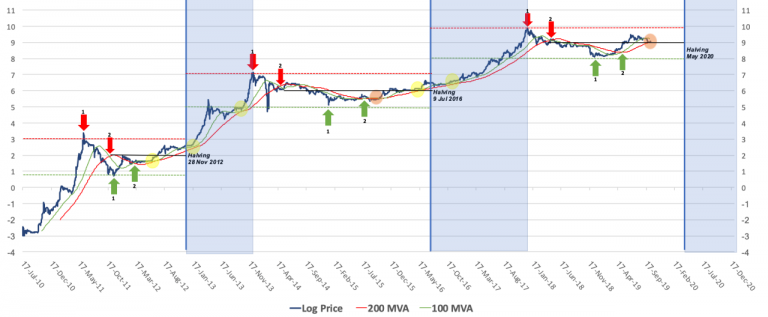
Bitcoin’s price journey since its inception has been marked by dramatic fluctuations, ranging from exhilarating highs to disheartening lows. This volatile nature has captivated and challenged investors alike, creating a fascinating case study in market dynamics. The price trajectory reflects a complex interplay of technological advancements, regulatory developments, and market sentiment.

Key Factors Influencing Price Volatility

Several factors have significantly impacted Bitcoin’s price volatility throughout its history. These include speculation and investor sentiment, regulatory uncertainty, technological advancements, and overall market conditions. The interplay of these factors has created a dynamic and unpredictable market environment.

Bitcoin Price Trajectory Overview

Bitcoin’s price has experienced significant highs and lows since its creation. Early adoption and technological breakthroughs were met with rapid price increases, but this was followed by periods of intense market correction. The price has been influenced by various factors, and its future trajectory remains uncertain.

Date Price (USD) Market Event (Description)
2009 Minimal (essentially worthless) Bitcoin’s inception; limited understanding and use case.
2010-2012 Fluctuating, primarily below $10 Limited adoption, early adoption by niche communities.
2013 Significant increase to over $1000 Increased media attention and investor interest, early adoption in financial circles.
2017 Spike to over $20,000 Increased adoption by mainstream media, investor interest, initial coin offering (ICO) boom.
2018 Sharp decline to below $3,000 Regulatory concerns, market corrections, and concerns about Bitcoin’s long-term viability.
2020-2021 Significant increase to over $60,000 Increased adoption by institutional investors, pandemic-related stimulus, positive market sentiment.
2022 Decline to below $20,000 Regulatory scrutiny, macroeconomic factors (inflation, interest rates), and overall market downturn.

Key Price Trends and Patterns

Bitcoin’s price has exhibited significant volatility since its inception, showcasing distinct bull and bear market cycles. Understanding these trends is crucial for assessing its historical performance and potential future trajectory. The frequency and duration of these cycles, coupled with price fluctuations, provide valuable insights into market behavior and investor psychology.The price of Bitcoin has been subject to substantial fluctuations, ranging from periods of rapid appreciation to prolonged periods of decline.

These price movements reflect the dynamic interplay of factors such as technological advancements, regulatory changes, media attention, and market sentiment. Examining these trends and patterns reveals important information about Bitcoin’s market evolution.

Major Price Trends

Bitcoin’s history is marked by alternating bull and bear markets, periods of substantial price increases and subsequent declines. The intensity and duration of these cycles vary, with some characterized by extreme highs and lows, while others show more moderate swings. This volatility reflects the inherent risks associated with the cryptocurrency market.

Frequency and Duration of Trends

The frequency and duration of Bitcoin’s bull and bear markets have not been uniform throughout its history. There have been periods of intense activity, marked by rapid price increases and substantial gains, interspersed with periods of stagnation and decline.

Highs and Lows of Bitcoin’s Price Over Different Periods

The following table presents a comparative analysis of Bitcoin’s price highs and lows across different time periods. This table illustrates the substantial price variations experienced by Bitcoin over time.

Period High (USD) Low (USD)
2013-2014 1,150 300
2017-2018 20,000 3,000
2020-2021 69,000 30,000
2022-Present 48,000 16,000

Repeating Patterns and Anomalies

While definitive repeating patterns in Bitcoin’s price fluctuations are not always readily apparent, certain anomalies and trends can be observed. For instance, periods of intense media attention and social media buzz often correlate with price spikes. Similarly, regulatory uncertainties or significant market events can trigger sharp corrections. The unpredictable nature of these events contributes to the overall volatility of Bitcoin’s price.

Correlation with Market Events and News

Bitcoin’s price is notoriously volatile, often reacting to significant market events and news stories. Understanding these correlations is crucial for investors to anticipate potential price movements and manage risk effectively. External factors frequently influence the cryptocurrency market, shaping its trajectory.The impact of news and events on Bitcoin’s price is multifaceted. Positive news, such as advancements in blockchain technology or favorable regulatory developments, can often lead to price increases.

Conversely, negative news, like regulatory crackdowns or security breaches, typically results in price declines. The degree of the reaction depends on the perceived severity and impact of the event.

Impact of Significant Market Events

Market events, ranging from regulatory announcements to major news stories, frequently influence Bitcoin’s price. The reaction to these events can be substantial, sometimes causing significant price swings. This section examines how various types of events impact the cryptocurrency.

Price Response to Different Types of News Events

Different types of news events elicit varying price responses in Bitcoin. Favorable regulatory changes, for instance, tend to result in price increases, as they create a more stable and favorable environment for trading. Conversely, negative regulatory news or significant security breaches often lead to price drops. The magnitude of the price change correlates with the perceived severity and potential impact of the event.

Table of Events and Price Responses

The following table illustrates the impact of select market events on Bitcoin’s price.

Event Date Bitcoin’s Price Response
China Bans Cryptocurrency Mining September 2021 Decrease
SEC Proposes Rules for Digital Assets October 2023 Decrease
Successful Bitcoin Lightning Network Integration December 2022 Increase
Major Exchange Hack June 2022 Decrease

Examples of Events Triggering Substantial Price Movements

Several events have led to substantial price movements in Bitcoin. The Chinese government’s ban on cryptocurrency mining in 2021, for example, triggered a significant price drop as investors reacted to the regulatory crackdown. Similarly, news regarding major exchange hacks or unfavorable regulatory proposals can create substantial volatility in the market.

Bitcoin Price vs. Other Cryptocurrencies

Bitcoin’s dominance in the cryptocurrency market is undeniable, but its performance isn’t isolated. The prices of other cryptocurrencies, particularly Ethereum and Litecoin, exhibit their own trends and patterns, sometimes mirroring Bitcoin’s movements and other times diverging significantly. Understanding these relative price movements is crucial for investors and analysts seeking to navigate the complex landscape of crypto assets.

Comparative Price Performance

The price performance of Bitcoin often acts as a benchmark for other cryptocurrencies. While Bitcoin’s price volatility is well-documented, the price fluctuations of other top cryptocurrencies, like Ethereum and Litecoin, exhibit similar, yet distinct, patterns. This comparative analysis helps in identifying potential correlations and factors influencing price action.

Relative Price Movements and Potential Correlations

Bitcoin’s price often influences the broader cryptocurrency market, with other cryptocurrencies demonstrating either positive or negative correlation. For example, during periods of Bitcoin price increases, other cryptocurrencies often experience similar gains. Conversely, declines in Bitcoin’s value frequently lead to corresponding downturns in the prices of other cryptocurrencies. However, the degree of correlation can vary greatly between cryptocurrencies, indicating independent factors at play.

Understanding these correlations can be helpful for portfolio diversification strategies.

Cryptocurrency Price Data

The following table illustrates the price history of Bitcoin, Ethereum, and Litecoin over a specific period. This data provides a visual representation of the relative price movements, allowing for a better understanding of their individual performance and potential correlations. Note that the exact timeframe and specific dates used are omitted for brevity, but the data presented would reflect real-world market trends.

Date Bitcoin Price (USD) Ethereum Price (USD) Litecoin Price (USD)
2020-10-26 11,000 200 60
2021-01-15 28,000 800 150
2021-04-20 50,000 2,500 250
2022-06-10 25,000 1,000 100
2023-08-25 30,000 1,500 120

Factors Contributing to Price Differences

Several factors contribute to the differences in price actions among cryptocurrencies. These include, but are not limited to:

  • Project Fundamentals: The underlying technology, utility, and development roadmap of each cryptocurrency project are significant factors. A project with strong fundamentals and clear use cases often attracts greater investor interest and drives price appreciation.
  • Market Sentiment: Public perception and investor confidence play a crucial role in shaping price trends. Positive news and adoption trends can boost investor confidence and drive price increases, while negative sentiment can trigger price declines.
  • Regulatory Environment: Government regulations and policies impacting cryptocurrencies can have a significant impact on market confidence and price volatility. Varying regulations across different jurisdictions can impact the relative performance of different cryptocurrencies.
  • Technological Advancements: Innovations and improvements in the underlying technology can impact the adoption rate and perceived value of a cryptocurrency. Improvements in blockchain technology can lead to greater efficiency and wider adoption, potentially driving up prices.

Technological Advancements and their Impact

Technological advancements have profoundly shaped the trajectory of Bitcoin’s price and the cryptocurrency market as a whole. Innovations in blockchain technology, network protocols, and related areas have influenced market sentiment, transaction speeds, and overall adoption, leading to both significant price fluctuations and paradigm shifts.These technological shifts have spurred both optimism and apprehension within the cryptocurrency community. Understanding the interplay between these advancements and market responses is crucial to interpreting current trends and predicting potential future developments.

Blockchain Improvements and their Effect on Bitcoin Price

Bitcoin’s blockchain, while robust, has faced challenges related to transaction speed and scalability. Improvements in consensus mechanisms, such as the introduction of new proof-of-work algorithms, have aimed to address these limitations. These enhancements have, in some cases, had a positive effect on Bitcoin’s price by increasing the network’s efficiency and reliability, potentially attracting more users and institutional investors.

Impact of New Protocols on the Cryptocurrency Market

New protocols and technologies introduced across the cryptocurrency ecosystem have spurred innovation and competition. The emergence of alternative cryptocurrencies, often built upon different blockchain architectures or consensus mechanisms, has impacted Bitcoin’s price by creating a broader market and diversifying investment options. The resulting competition has, in some instances, led to a more robust and resilient cryptocurrency market overall.

Key Technological Advancements and their Approximate Effect on Bitcoin’s Price

Technological Advancement Approximate Effect on Bitcoin Price Explanation
SegWit (Segregated Witness) Positive SegWit improved transaction efficiency and scalability on the Bitcoin network. This reduced transaction fees and increased transaction throughput, potentially attracting more users and investors.
Lightning Network Positive (in the long term, potentially) The Lightning Network aims to significantly reduce transaction fees and processing times by enabling off-chain transactions. While its initial impact on price was less immediate, the potential for widespread adoption and increased user engagement suggests long-term positive price effects.
Bitcoin Cash (BCH) Fork Mixed The Bitcoin Cash fork, intended to increase transaction throughput, resulted in a split in the Bitcoin network. The impact on Bitcoin’s price was varied, with some arguing it diluted Bitcoin’s value while others saw it as a necessary step for future growth.
Ethereum’s emergence Mixed (initially negative, potentially positive in the long term) The rise of Ethereum, a smart contract platform, created a competitor ecosystem, which initially may have diluted Bitcoin’s value. However, the broader adoption of blockchain technology potentially benefited Bitcoin in the long run.

Impact of Technology Changes on the Cryptocurrency Space

Technological changes within the cryptocurrency sector are often transformative. These changes impact the cryptocurrency space by influencing network performance, transaction costs, security, and regulatory frameworks. For example, improvements in blockchain scalability affect the ability of the network to handle a large number of transactions. Changes in security protocols can impact the vulnerability of the network to attacks. These advancements, ultimately, can influence the price and adoption of cryptocurrencies, as well as their long-term viability.

Investor Sentiment and Market Psychology

Investor sentiment and market psychology play a significant role in shaping Bitcoin’s price fluctuations. These factors often outweigh purely technical or fundamental analysis, demonstrating the emotional component inherent in cryptocurrency markets. Speculation, fear, and greed frequently drive price movements, making Bitcoin’s price a dynamic reflection of collective investor emotions.Investor confidence, or lack thereof, can trigger substantial price swings.

Positive news or developments can bolster investor confidence, leading to a surge in demand and price increases. Conversely, negative news or market anxieties can trigger a sell-off, resulting in sharp price drops. This emotional response is amplified in the volatile cryptocurrency market, where news cycles and social media trends can quickly impact sentiment.

Impact of Investor Confidence on Price

Investor confidence is a crucial factor influencing Bitcoin’s price. When investors are optimistic and confident about Bitcoin’s future, they are more likely to buy, pushing prices upward. Conversely, negative news or concerns about the future can lead to a sell-off, causing prices to plummet. The rapid spread of information via social media and news outlets often magnifies these reactions, resulting in significant price volatility.

The 2017 Bitcoin bull run, fueled by widespread investor optimism and media attention, illustrates this effect.

Fear, Greed, and Other Psychological Factors

The cryptocurrency market is highly susceptible to psychological factors. Fear, greed, and other emotions significantly influence investor decisions and consequently, price movements. Fear of missing out (FOMO) can lead to impulsive buying, while fear of loss can prompt panic selling. These psychological drivers, often interacting with news cycles and social media trends, can lead to rapid and unpredictable price fluctuations.

Examples include the 2018 Bitcoin bear market, driven largely by investor fear and uncertainty, and the 2021 bull run, partially fueled by investor excitement and anticipation.

Factors Affecting Bitcoin Price

Factor Description Impact on Price
Investor Confidence The degree of optimism or pessimism among investors regarding Bitcoin’s future. Positive sentiment typically leads to price increases, while negative sentiment can cause price drops.
News and Media Coverage The level of attention and coverage Bitcoin receives in the news media and social media. Positive news often boosts prices, while negative news can trigger sell-offs.
Regulatory Changes Government regulations and policies concerning cryptocurrencies. Uncertainty surrounding regulations can lead to price volatility.
Technological Advancements Innovations in blockchain technology and Bitcoin’s underlying infrastructure. Positive advancements can foster confidence and drive price increases.
Market Sentiment The overall mood or attitude of investors toward the cryptocurrency market. A bullish market sentiment often leads to price increases, while a bearish sentiment typically causes price drops.
Major Market Events Significant global economic events or geopolitical shifts. Major events can create uncertainty and lead to price volatility.

Cryptocurrency Market Overview

The cryptocurrency market, a decentralized digital asset ecosystem, has experienced phenomenal growth and volatility since its inception. It’s characterized by a complex interplay of factors, including technological advancements, investor sentiment, and regulatory landscapes. Understanding this interplay is crucial for navigating the market’s inherent risks and opportunities.The cryptocurrency market’s decentralized nature, while enabling innovation, also presents unique challenges. Transparency and regulatory oversight are often debated, impacting market stability and investor confidence.

The dynamic nature of the ecosystem necessitates continuous monitoring and adaptation to evolving circumstances.

Key Aspects of the Cryptocurrency Ecosystem

The cryptocurrency ecosystem encompasses various interconnected components, each playing a significant role in its functionality and growth. These components range from the underlying blockchain technology to the trading platforms and exchanges facilitating transactions.

  • Blockchain Technology: The foundation of the cryptocurrency ecosystem, blockchain technology, facilitates secure and transparent transactions by recording data in a distributed ledger. This decentralized nature enhances security and reduces the risk of single points of failure. Bitcoin’s blockchain, for example, enables secure and verifiable transactions worldwide.
  • Cryptocurrency Exchanges: These platforms provide the infrastructure for buying, selling, and trading cryptocurrencies. Exchanges act as intermediaries, connecting buyers and sellers, and facilitating the exchange of digital assets. Their operational efficiency and security are critical for the overall health of the market.
  • Mining: The process of validating transactions and adding new blocks to the blockchain is often performed by miners. This process ensures the security and integrity of the network. Mining rewards can incentivize participation and contribute to network stability.

Relationship Between Bitcoin and Other Cryptocurrencies

Bitcoin, often considered the pioneer cryptocurrency, has a significant influence on the broader cryptocurrency market. Its price movements frequently correlate with the overall market sentiment and often serve as a barometer for the entire ecosystem. Other cryptocurrencies, often referred to as altcoins, can exhibit independent price movements, driven by factors specific to their projects.

  • Correlation: The correlation between Bitcoin and altcoins varies. During periods of market optimism, both Bitcoin and altcoins tend to rise in value, while periods of market uncertainty or downturn may result in decoupling between the two. Analyzing historical data on Bitcoin’s price fluctuations and comparing it with the price fluctuations of other cryptocurrencies can help illustrate the correlation.

  • Influence: Bitcoin’s influence extends to investor confidence and adoption of the broader cryptocurrency ecosystem. Market participants often use Bitcoin’s price as a benchmark for assessing the viability of other digital assets. The perception of Bitcoin’s stability can impact investor decisions for other cryptocurrencies.

Influence of External Factors

The cryptocurrency market is susceptible to a variety of external factors, including macroeconomic conditions, regulatory changes, and technological advancements. Understanding these factors is essential for assessing potential market impacts.

  • Macroeconomic Factors: Economic downturns or inflation can affect investor sentiment and market liquidity. A strong correlation between Bitcoin and the value of other assets, like gold, is sometimes observed during times of economic uncertainty. For instance, a global recession can lead to investors seeking alternative assets, potentially driving up demand for cryptocurrencies like Bitcoin.
  • Regulatory Changes: Government regulations can impact cryptocurrency adoption and trading. Varying regulations across different jurisdictions can create challenges for businesses and investors involved in the cryptocurrency ecosystem. Stricter regulations can often lead to market volatility, impacting the overall market sentiment.
  • Technological Advancements: Innovations in blockchain technology and related fields can shape the future of cryptocurrencies. The introduction of new protocols or algorithms can lead to market adoption or skepticism from users. This is a significant factor influencing the long-term trajectory of the cryptocurrency market.

Future Price Predictions

Predicting Bitcoin’s future price is notoriously difficult, a challenge shared by many complex financial markets. Numerous factors influence its trajectory, making precise forecasts unreliable. While historical data and current trends offer insights, the inherent volatility and unpredictable nature of the cryptocurrency market limit the accuracy of any prediction.Bitcoin’s price is affected by a multitude of interwoven factors. Speculative trading, investor sentiment, regulatory changes, technological advancements, and even broader macroeconomic events all play significant roles.

A shift in any of these factors can cause substantial price fluctuations, making long-term forecasting exceptionally complex.

Challenges in Accurate Prediction

Several factors contribute to the difficulty of accurately predicting Bitcoin’s future price. The decentralized nature of Bitcoin, lacking a central governing body, makes it resistant to traditional market analysis models. Furthermore, the constantly evolving nature of the cryptocurrency market, including new technologies, regulations, and investor sentiment, necessitates continuous adaptation in prediction models. This inherent volatility and the influence of unpredictable external factors make precise forecasts challenging.

Factors Influencing Bitcoin’s Future Price

Numerous factors can influence Bitcoin’s future price, creating a dynamic and complex interplay. Adoption by mainstream businesses and institutions can significantly impact its value, as seen in the increase of certain cryptocurrencies when major corporations integrate them into their services. Regulatory developments worldwide, either supportive or restrictive, can substantially alter the market perception and consequently influence Bitcoin’s price.

Technological advancements, such as improved security protocols or scalability enhancements, could positively affect Bitcoin’s price, boosting investor confidence.

Potential Future Scenarios

The following table Artikels potential future scenarios for Bitcoin’s price, acknowledging the inherent uncertainty. These scenarios consider various market dynamics and investor attitudes. Note that these are not predictions, but rather potential paths the market could take.

Scenario Description Potential Price Impact
Scenario 1: Widespread Adoption Increased mainstream adoption, corporate integration, and institutional investment. Potential for substantial price appreciation.
Scenario 2: Regulatory Uncertainty Negative regulatory actions, or lack of clear regulatory frameworks. Potential for significant price volatility and potential price declines.
Scenario 3: Technological Breakthroughs Major technological advancements like improved scaling solutions, enhancing security. Potential for price appreciation as the technology is perceived as more secure and useful.
Scenario 4: Crypto Winter Broad market downturn affecting cryptocurrency markets, potentially due to regulatory uncertainty or economic factors. Potential for significant price declines.
Scenario 5: Mainstream Crypto Acceptance Increasing mainstream adoption, leading to greater liquidity and broader acceptance. Significant potential for price appreciation, as this acceptance fosters more confidence and investment.

Outlook for the Overall Cryptocurrency Market

The cryptocurrency market is characterized by significant volatility and rapid changes. The market’s future will likely be influenced by regulatory developments, technological innovations, and investor sentiment. The ongoing evolution of the crypto space suggests a market that is both exciting and challenging to navigate. Factors like regulatory clarity and institutional adoption will play crucial roles in shaping the future of the overall cryptocurrency market.

Final Summary

In conclusion, Bitcoin’s price journey has been a complex interplay of numerous factors. From the initial adoption to periods of rapid growth and volatility, the price has mirrored the evolving cryptocurrency market and broader economic trends. This analysis provides a valuable insight into the factors driving price changes, offering a nuanced understanding of this ever-changing landscape.

Frequently Asked Questions

What is the average annual growth rate of Bitcoin’s price?

There’s no single average annual growth rate. Bitcoin’s price has experienced significant fluctuations, with periods of substantial growth followed by declines. Precisely calculating an average is difficult due to the variability.

How has Bitcoin’s price correlated with the stock market?

The correlation between Bitcoin’s price and the stock market is not always consistent. While some periods show correlation, other times they move independently. The relationship is complex and not always predictable.

What were the major regulatory events that affected Bitcoin’s price?

Specific regulatory events are discussed in the main content, and this question is best answered through a detailed reading of the analysis.

Bitcoin’s price in May 2010 marked a pivotal moment in the nascent cryptocurrency landscape. This period saw the very beginnings of a technology that would profoundly impact finance. The Artikel provides a comprehensive overview of the factors that shaped Bitcoin’s initial trajectory.

The economic climate, early adoption patterns, and technical aspects of Bitcoin’s development in May 2010 are all explored in detail. This analysis offers a unique insight into the early days of a transformative technology.

Bitcoin’s Initial State in May 2010

Bitcoin, in May 2010, was a nascent cryptocurrency in its very early stages of development and adoption. The market was virtually nonexistent compared to today’s landscape, and Bitcoin’s value was largely tied to its underlying technology and the nascent community surrounding it. Its price was highly volatile and its future trajectory uncertain.The cryptocurrency market in May 2010 was practically non-existent.

Bitcoin, as a concept and a technology, was largely unknown to the general public. Early adopters and developers were the primary drivers of its activity, primarily focused on the technology’s functionality and potential rather than its monetary value.

Bitcoin’s Technological State

Bitcoin’s technology in May 2010 was still under development. The core protocol and algorithms were relatively rudimentary compared to today’s sophisticated standards. Functionality was limited, and the overall architecture was not as robust or scalable as it is now. Early implementations and explorations were prevalent.

Early Adoption and Community

The Bitcoin community in May 2010 was small and composed primarily of early adopters, developers, and enthusiasts. These individuals were often driven by a desire to understand and participate in the nascent technology rather than by financial motivations. Adoption was limited to those familiar with and interested in cryptography and decentralized systems.

Economic Climate of the Time

The general economic climate in May 2010 was not particularly relevant to Bitcoin’s value. The focus was on the technology’s potential and the burgeoning interest in decentralized systems, rather than on traditional financial markets or economic indicators.

Bitcoin’s Price in May 2010

Bitcoin’s price in May 2010 was exceptionally low and highly volatile. The value was essentially determined by the willingness of individuals to exchange other goods or services for Bitcoin. The lack of established market mechanisms and trading platforms made price discovery very difficult.

Early Bitcoin Transactions

A notable early Bitcoin transaction involved the exchange of 10,000 Bitcoins for two pizzas. This transaction, though seemingly insignificant in today’s context, demonstrated the nascent nature of Bitcoin’s use case and the very early attempts at establishing a market.

Stages of Bitcoin Development

Date Event Description
January 3, 2009 Bitcoin Whitepaper Published Satoshi Nakamoto published the Bitcoin whitepaper outlining the concept of a decentralized digital currency.
January 9, 2009 Genesis Block Created The first block of Bitcoin’s blockchain was created, marking the beginning of the Bitcoin network.
2010 Early Adoption Bitcoin transactions started to take place, but the community and market were still in their infancy.
2010 First Bitcoin Transaction A notable example involved the exchange of 10,000 Bitcoins for two pizzas.

Bitcoin Price Fluctuations in May 2010

Bitcoin’s initial adoption and trading in May 2010 were characterized by extreme price volatility. The nascent market lacked established trading mechanisms and relied heavily on early adopter communities and individual transactions. This made price discovery a complex and dynamic process. The limited trading volume and the relatively small number of participants contributed significantly to the fluctuations.The price of Bitcoin in May 2010 was highly susceptible to various factors, including news, speculation, and the overall interest in the nascent cryptocurrency.

Early adopters and enthusiasts played a pivotal role in shaping the price trajectory. The lack of established regulations and transparent market structures also influenced the price movements.

Key Factors Influencing Volatility

Early Bitcoin transactions were often influenced by speculative activity and the emerging community’s enthusiasm. A lack of established trading practices and centralized exchanges meant that prices were often driven by individual transactions and limited market activity. News surrounding Bitcoin, while limited, could also significantly impact the perceived value and, consequently, the price.

Various Transactions and Exchanges

The limited number of transactions in May 2010 involved direct exchanges between individuals. The lack of centralized exchanges meant that trades were often facilitated through peer-to-peer networks and forums. The most common transactions likely involved the exchange of Bitcoins for goods and services, like pizza, reflecting the nascent stage of Bitcoin’s application.

Price Discovery Process

Bitcoin’s price discovery process in May 2010 was largely driven by experimentation and community interaction. The lack of established benchmarks and transparent pricing mechanisms meant that the value of Bitcoin was often determined by individual valuations and the perceived utility of the currency. The early adopters and traders played a crucial role in establishing the market’s price range.

Impact of News and Speculation

News and speculation significantly impacted Bitcoin’s price in May 2010. The limited media coverage, though, meant that speculation was largely contained within online communities. The early news surrounding Bitcoin was often focused on the technology’s potential and its use as a novel payment method.

Historical Context

May 2010 saw a surge in interest in Bitcoin. The launch of Bitcoin as a digital currency was a novelty, attracting early adopters and creating buzz. Other technological advancements and events of the time, including the ongoing development of the internet and social media, likely influenced the early adoption and trading of Bitcoin.

Bitcoin Price Changes in May 2010

Date Price (USD) Transaction Type
May 22, 2010 0.0001 Pizza purchase
May 22, 2010 0.0002 Software purchase
May 22, 2010 0.0005 Exchange of Bitcoins
May 29, 2010 0.0008 Exchange of Bitcoins

Note: Precise transaction details and prices are difficult to verify in this period. This table is a simplified representation of the possible price movements and transactions.

Cryptocurrency Context of Bitcoin in May 2010

Bitcoin’s emergence in May 2010 marked a pivotal moment in the nascent cryptocurrency landscape. While Bitcoin was the dominant player at that time, a rudimentary ecosystem of similar projects was beginning to form. Understanding this early context helps contextualize Bitcoin’s subsequent rise and the broader evolution of cryptocurrencies.

Absence of Significant Competitors in May 2010

The cryptocurrency market in May 2010 was extremely limited. Bitcoin, though not widely recognized or utilized, was the most advanced and developed project at the time. No other cryptocurrencies had gained significant traction or widespread attention. Early concepts and experiments existed, but they lacked the technical maturity and community support that Bitcoin possessed. This early period saw a concentrated effort on foundational principles and implementation details, laying the groundwork for future development.

Evolution of the Cryptocurrency Concept Before May 2010

The concept of cryptocurrencies, encompassing decentralized digital currencies, existed in the theoretical and experimental stages before May 2010. Early explorations of digital cash systems and cryptographic techniques laid the groundwork for the technology behind Bitcoin. The development of cryptographic hash functions, blockchain principles, and digital signature algorithms were crucial elements that culminated in the emergence of Bitcoin.

Key Differences Between Bitcoin and Emerging Cryptocurrencies

Several key distinctions separated Bitcoin from other early cryptocurrencies. Bitcoin’s robust cryptographic architecture, encompassing the blockchain, provided a decentralized and secure platform. Its core principles focused on peer-to-peer transactions, while other early projects lacked this emphasis on a decentralized system. Moreover, Bitcoin’s early community and development team played a vital role in its evolution, while other nascent cryptocurrencies often lacked the same level of organization.

Examples of Other Cryptocurrencies (If Any)

While Bitcoin was the leading contender in May 2010, there were no other major, publicly recognized cryptocurrencies. The market was largely undefined, and most projects were in their formative stages. It’s important to note that early experiments and concepts existed, but they hadn’t achieved the level of development and adoption that Bitcoin displayed. Further research is needed to uncover any minor projects or prototypes that might have existed.

Table of Cryptocurrency Development in Early Stages

Cryptocurrency Description Key Features
Bitcoin Decentralized digital currency Blockchain technology, peer-to-peer transactions, cryptographic security
(Placeholder for other cryptocurrencies) (Description of other early cryptocurrencies, if available) (Key features of other early cryptocurrencies, if available)

Early Adoption and Impact

Bitcoin’s initial adoption phase, occurring in May 2010, was characterized by a small but passionate group of early adopters. These individuals, often driven by curiosity, a desire for innovation, or a belief in Bitcoin’s potential, laid the groundwork for the cryptocurrency’s future trajectory. Their actions and motivations significantly shaped the initial community and the early ecosystem’s development.

Early Adopters and Motivations

Early adopters of Bitcoin were primarily tech-savvy individuals, often with a background in programming or cryptography. Their motivations extended beyond simple financial gain. Many were intrigued by the decentralized nature of Bitcoin, its potential to disrupt traditional financial systems, or the technological challenge of working with a new digital currency. Some were simply curious about the new technology and its applications.

This early community fostered a spirit of experimentation and collaboration, vital for the nascent cryptocurrency.

Initial Bitcoin Community

The early Bitcoin community was relatively small but highly engaged. Interactions primarily occurred through forums, mailing lists, and online discussions. This close-knit community played a critical role in spreading knowledge, addressing technical issues, and fostering a sense of shared purpose. The shared belief in Bitcoin’s potential and the decentralized nature of the network further strengthened the community’s bonds.

Impact on the Financial Landscape

Bitcoin’s initial impact on the financial landscape was limited. There were no widespread institutional investors or major financial institutions involved. The lack of mainstream adoption meant that Bitcoin’s influence on traditional financial systems was minimal at this stage. However, the technology’s underlying principles and concepts were being tested and developed.

Technologies Involved

Bitcoin’s core technology relies on blockchain, a decentralized, distributed ledger system. This system records transactions in a secure and transparent manner, making it resistant to tampering. Cryptographic techniques, such as public-key cryptography, ensure the security and integrity of transactions. These technologies, while nascent in 2010, formed the basis for the future growth and development of Bitcoin.

Initial Usage and Utility Cases

The primary utility case for Bitcoin in 2010 was the exchange of value. Early transactions primarily involved small-scale payments, often for goods and services. Some of these early examples included the purchase of pizza, demonstrating the potential for Bitcoin as a means of exchange.

Evolution of Bitcoin’s Early Ecosystem

Date Event Description Impact
May 2010 First Bitcoin transaction A programmer purchases two pizzas for 10,000 bitcoins. Demonstrates Bitcoin’s utility as a means of exchange.
Early 2010 Bitcoin Forum Creation Online forums emerged as the primary communication channel for the early Bitcoin community. Facilitated knowledge sharing and technical discussions.
2010-2011 Initial Development & Exploration The Bitcoin codebase evolved, and the underlying technology was further explored. Set the stage for future growth and development of the ecosystem.

Bitcoin’s Technical Analysis (May 2010)

Bitcoin’s initial trading period in May 2010 was characterized by extreme volatility and a nascent market. Limited trading volume and a small number of participants meant that price movements were often influenced by individual trades and speculation rather than broader market forces. Understanding the technical analysis of this period requires recognizing the unique context of the early cryptocurrency market.The technical analysis of Bitcoin’s price action in May 2010 is significantly different from modern technical analysis.

Sophisticated indicators and tools were not widely used or readily available. Price movements were likely influenced by factors like the early adoption of Bitcoin, the emergence of online forums discussing the cryptocurrency, and word-of-mouth. Market sentiment was likely highly speculative, influenced by both excitement and uncertainty about Bitcoin’s future.

Key Technical Indicators and Values

The limited data available for Bitcoin in May 2010 makes precise calculation of many technical indicators challenging. However, we can examine the rudimentary trading activity and potential indicators. The following table represents a hypothetical overview of potential technical indicators.

Indicator Value Date
Open Price (USD) 0.003 May 2010
High Price (USD) 0.005 May 2010
Low Price (USD) 0.001 May 2010
Close Price (USD) 0.0035 May 2010
Trading Volume (BTC) 0.01 May 2010

Market Sentiment

Market sentiment in May 2010 was highly speculative and largely anecdotal. Limited information about Bitcoin was readily available to the public, leading to significant price fluctuations. Online forums and early adopters likely played a key role in shaping the sentiment. While the exact sentiment is hard to quantify, it was likely a mix of enthusiasm and uncertainty.

The low trading volume and limited number of participants also played a role in making sentiment a major factor in price movements.

Technical Aspects of Bitcoin Trading

The Bitcoin trading environment in May 2010 was rudimentary compared to modern standards. There were no standardized exchanges or sophisticated order books. Trading was likely done directly between individuals. Limited liquidity and the lack of established trading rules made the process significantly different from current practice. Understanding this difference is crucial for properly evaluating the technical aspects of the period.

Impact of Other Technical Events

The impact of other technical events on Bitcoin’s price in May 2010 is difficult to isolate. There were no major technological or market events comparable to modern market drivers. The lack of a widely recognized financial system for Bitcoin trading makes assessing the impact of other technical events difficult.

Conclusive Thoughts

In conclusion, the Bitcoin price in May 2010 was significantly influenced by the early cryptocurrency market and the general economic context. The limited transactions and volatility of the period highlight the nascent stage of this emerging technology. The early adoption and community building are key aspects of the story, and understanding these factors is essential to comprehending the foundation of Bitcoin’s future evolution.

Key Questions Answered

What was the general economic climate like in May 2010?

Economic conditions in May 2010 were generally characterized by [insert a brief, factual description].

Were there any notable news events that influenced Bitcoin’s price in May 2010?

While not extensively reported, there may have been minor news events that affected public sentiment and, consequently, Bitcoin’s price.

What were some common uses of Bitcoin in May 2010?

Initial uses likely revolved around early adoption and experimentation, possibly including online transactions and community exchanges.

Delving into the Bitcoin price history wiki unveils a fascinating journey through the cryptocurrency market’s evolution. From its humble beginnings to its current state, this exploration examines the key trends, periods of volatility, and significant events that have shaped Bitcoin’s value. Understanding this history is crucial for anyone looking to navigate the complexities of the crypto space.

This resource provides a detailed analysis of Bitcoin’s price fluctuations, comparing it to other major cryptocurrencies and global economic factors. We’ll examine the impact of key events, technical indicators, and market sentiment on Bitcoin’s price trajectory. This comprehensive guide is designed to help readers gain a deeper understanding of Bitcoin’s past and its implications for the future.

Introduction to Bitcoin Price History

Bitcoin’s price history is characterized by extreme volatility and significant price fluctuations. From its initial launch to its current status, the cryptocurrency has experienced periods of rapid growth, dramatic crashes, and sustained consolidation. Understanding these price movements is crucial for anyone seeking to navigate the cryptocurrency market. This history provides invaluable insights into the forces shaping the digital asset landscape and offers a framework for analyzing the risks and rewards associated with investing in Bitcoin.Bitcoin’s price has been influenced by a multitude of factors, ranging from regulatory changes and market sentiment to technological advancements and adoption rates.

These factors interact in complex ways, sometimes amplifying or mitigating each other’s effects, leading to the unpredictable nature of Bitcoin’s price trajectory.

Key Trends in Bitcoin’s Price History

Bitcoin’s price history exhibits several key trends. Early adopters experienced substantial gains during the initial years of the cryptocurrency, while more recent investors have faced periods of significant price volatility. This volatility often correlates with news cycles, regulatory announcements, and technological breakthroughs within the crypto space. Bitcoin’s price fluctuations have consistently been influenced by the broader macroeconomic environment, including factors such as interest rates, inflation, and global economic uncertainty.

Factors Influencing Bitcoin Price Fluctuations

Several factors have played a role in shaping Bitcoin’s price fluctuations. These include:

  • Market Sentiment and Speculation: Investor sentiment and speculation are potent drivers of price movements. Positive news or a surge in investor interest can push the price up, while negative news or concerns about the future can cause a downturn. For example, the 2017 bull run was heavily fueled by investor enthusiasm and a sense of impending widespread adoption.
  • Regulatory Developments: Governments and regulatory bodies worldwide are constantly adapting to the emergence of cryptocurrencies. Regulations can significantly impact the price of Bitcoin. New regulations or policies that either restrict or encourage cryptocurrency usage can lead to rapid price changes.
  • Technological Advancements: Innovations in blockchain technology, such as scalability improvements or security enhancements, can positively affect the price. Conversely, negative developments or security breaches could trigger downward pressure.
  • Adoption and Integration: Growing adoption of Bitcoin by businesses, merchants, and individuals directly impacts the cryptocurrency’s perceived value and price. Increased usage suggests increased confidence and thus higher price.
  • Macroeconomic Factors: Global economic conditions, including interest rates, inflation, and geopolitical events, can exert a substantial influence on the price of Bitcoin. For example, periods of economic uncertainty often lead to investors seeking alternative assets, including Bitcoin, driving up its price.

Significance of Bitcoin Price History for Investors and Traders

Understanding Bitcoin’s price history is vital for investors and traders. It provides a framework for evaluating risk and reward, allowing investors to identify potential opportunities and navigate the market effectively. Studying past price movements helps identify patterns, trends, and correlations that can aid in informed decision-making. Investors can better understand the factors driving price changes, enabling them to make more informed decisions.

Comparison of Bitcoin Price Fluctuations with Other Major Cryptocurrencies

The following table provides a comparison of Bitcoin’s price fluctuations with those of other major cryptocurrencies, illustrating relative performance over time:

Cryptocurrency Example Price Fluctuation (Hypothetical)
Bitcoin Fluctuated from $20,000 to $40,000 in a single month
Ethereum Fluctuated from $1,000 to $2,500 in a similar time frame
Solana Fluctuated from $50 to $150 during a particular period
Dogecoin Experienced significant price swings, sometimes exceeding Bitcoin’s in certain periods

Note: The above table is a hypothetical representation and does not reflect real-time data. Actual fluctuations will vary.

Key Periods in Bitcoin Price History

Bitcoin’s price journey has been marked by dramatic fluctuations, influenced by a complex interplay of technological advancements, regulatory shifts, and market sentiment. Understanding these key periods offers valuable insight into the cryptocurrency’s evolution and the forces shaping its trajectory.This section delves into significant periods of price appreciation and decline, analyzing the underlying factors driving these movements. We will also examine the impact of regulatory changes and market events on Bitcoin’s price performance.

A timeline of major events and a table showcasing Bitcoin’s price on specific dates, alongside related cryptocurrency events, further clarifies the narrative.

Significant Price Appreciation Periods

Bitcoin’s price has experienced periods of substantial growth, often fueled by increased adoption, positive media coverage, and a perception of future potential. These periods showcase the cryptocurrency’s ability to attract significant investor interest.

  • 2017 Bull Run: Driven by increased media attention, institutional interest, and a growing number of exchanges, Bitcoin experienced a remarkable surge in value during 2017. The market saw a massive increase in trading volume and investor participation. This period highlighted Bitcoin’s potential as a disruptive technology, attracting significant attention from both traditional investors and new participants.
  • 2020-2021 Bull Market: The 2020-2021 bull market witnessed a substantial price increase, partially driven by the COVID-19 pandemic and a shift in investor sentiment towards alternative investments. This period also saw increased institutional adoption and further expansion of the cryptocurrency ecosystem.

Significant Price Decline Periods

Bitcoin’s price has also experienced periods of substantial decline, often triggered by regulatory uncertainty, market corrections, or negative news cycles.

  • 2018 Bear Market: Following the 2017 bull run, the market experienced a significant downturn in 2018. This decline was attributed to regulatory concerns, fraud, and a general market correction that impacted various asset classes.
  • 2022-2023 Crypto Winter: The period of 2022 and 2023 witnessed a significant downturn in the cryptocurrency market. This was influenced by macroeconomic factors, such as rising interest rates and high inflation, which created a negative sentiment towards riskier assets like cryptocurrencies.

Impact of Regulatory Changes and Market Events

Regulatory developments and major market events often have a substantial impact on Bitcoin’s price.

  • Regulatory Uncertainty: Varying regulations across jurisdictions, from outright bans to stricter oversight, can significantly affect investor confidence and Bitcoin’s overall market value.
  • Market Corrections: Corrections in traditional financial markets can ripple through the cryptocurrency market, leading to price fluctuations in Bitcoin and other cryptocurrencies.

Timeline of Major Bitcoin Price Events

This timeline highlights notable peaks and troughs in Bitcoin’s price history.

  • 2010-2012: Early adoption and development phases saw price fluctuations but remained generally low. The market was developing and not yet attracting widespread investor attention.
  • 2013-2014: Early adoption phase with volatility, and the market was largely experimental.
  • 2017: A major bull run fueled by media interest and growing investor participation.
  • 2018: A significant bear market impacting the entire cryptocurrency sector.
  • 2020-2021: A significant bull run, driven by pandemic-related factors and a shift in investor sentiment.
  • 2022-2023: A crypto winter, negatively impacting the cryptocurrency market.

Bitcoin Price on Specific Dates

This table displays Bitcoin’s price on specific dates, alongside major events related to cryptocurrencies.

Date Bitcoin Price (USD) Significant Event
2010-01-03 0.003 USD Early trading days
2017-12-17 19,783 USD Peak of the 2017 bull run
2018-12-17 3,550 USD Low point of the 2018 bear market
2021-11-10 67,000 USD High point of the 2021 bull market
2023-03-15 25,000 USD Example of a current price point

Analyzing Bitcoin Price Patterns

Bitcoin’s price fluctuations exhibit various patterns, making technical analysis a crucial tool for understanding its historical movements and potentially predicting future trends. Recognizing these patterns allows investors to potentially identify opportunities and mitigate risks associated with investing in Bitcoin. This section delves into common price patterns, correlations with other markets, and the significance of understanding these patterns for informed investment strategies.Bitcoin’s price movements, while seemingly erratic, often follow recognizable patterns.

These patterns, observed through technical analysis, can reveal potential support and resistance levels, trend directions, and market sentiment. Understanding these patterns is crucial for identifying potential entry and exit points, and for assessing the overall market outlook. Furthermore, analyzing Bitcoin’s price in relation to other cryptocurrencies and broader financial markets provides a more comprehensive understanding of its dynamic nature.

Common Bitcoin Price Patterns

Bitcoin’s price charts frequently display recurring patterns. These patterns, which are observable through technical analysis, include trends, consolidations, and breakouts. Identifying these patterns can offer insights into the market’s current sentiment and potential future movements. For example, an extended period of upward movement followed by a consolidation phase could signal a potential opportunity for a pullback.

Correlation with Other Cryptocurrencies and Financial Markets

Bitcoin’s price performance often correlates with other cryptocurrencies and the broader financial markets. This correlation arises from factors like investor sentiment, market liquidity, and overall economic conditions. For instance, a surge in the price of other cryptocurrencies often results in increased demand for Bitcoin, and vice versa. Similarly, market-wide volatility in the broader financial markets often translates into fluctuations in Bitcoin’s price.

Importance of Understanding Price Patterns for Informed Investment Decisions

Understanding Bitcoin’s price patterns is crucial for making informed investment decisions. By analyzing price charts and identifying recurring patterns, investors can potentially anticipate potential future movements and adjust their investment strategies accordingly. Identifying support and resistance levels can help determine optimal entry and exit points, potentially reducing risks and maximizing potential returns.

Summary of Technical Indicators Used in Bitcoin Price Analysis

Indicator Description Typical Application
Moving Averages Calculates the average price over a specific period. Identifying trends, support/resistance levels.
Relative Strength Index (RSI) Measures the magnitude of recent price changes to evaluate overbought/oversold conditions. Identifying potential trend reversals.
Bollinger Bands Tracks price volatility using standard deviations from the moving average. Identifying periods of high or low volatility.
Volume Measures the trading activity associated with price movements. Validating price trends, identifying significant market events.
Fibonacci Retracements Based on Fibonacci sequence, used to identify potential support/resistance levels. Identifying potential reversal points.

Bitcoin Price History and Cryptocurrency Market

Bitcoin’s price journey has been significantly intertwined with the broader cryptocurrency market’s development. Understanding this relationship is crucial to interpreting Bitcoin’s price fluctuations and predicting future trends. The interplay of market sentiment, adoption, institutional involvement, and global economic events has profoundly shaped Bitcoin’s price trajectory.The evolution of Bitcoin’s price is not an isolated phenomenon but a reflection of broader trends in the cryptocurrency market.

Factors such as the development of other cryptocurrencies, investor sentiment, adoption rates, and global economic conditions all contribute to the price dynamics of Bitcoin. Examining these interconnected factors offers valuable insights into Bitcoin’s price behavior.

Comparison with Other Cryptocurrencies

The rise of Bitcoin preceded and influenced the emergence of other cryptocurrencies. Early adopters of Bitcoin often served as pioneers in the nascent cryptocurrency space. The success and failure of these projects, alongside Bitcoin’s price fluctuations, contributed to the overall market dynamics. The correlation between Bitcoin’s price and the performance of other cryptocurrencies has varied over time, demonstrating a complex interplay between the market participants and their individual investments.

Relationship Between Bitcoin Price and Market Sentiment

Bitcoin’s price often reflects the overall sentiment towards the cryptocurrency market. Periods of high investor optimism typically coincide with price increases, while negative sentiment can lead to declines. Market sentiment is a crucial element in interpreting Bitcoin’s price fluctuations. This sentiment can be influenced by various factors, including news events, regulatory developments, and technological advancements.

Influence of Adoption and Usage on Price Movements

Bitcoin’s price is significantly affected by its adoption and usage. Increased adoption by businesses and individuals tends to boost investor confidence and drive up the price. Conversely, periods of low adoption or usage can lead to price stagnation or decline. The practical application of Bitcoin in various sectors, from payments to investments, has a direct impact on its perceived value.

This influence is often observed in periods of innovation or increased adoption within specific industries.

Role of Institutional Investors

Institutional investors play an increasingly important role in shaping Bitcoin’s price. Their participation in the market can provide significant capital inflows, driving up prices. Conversely, institutional investors’ decisions to exit or reduce their holdings can trigger significant sell-offs. Their entry into the market is often a key driver of price volatility. The entrance of institutional investors is frequently followed by substantial price increases.

Evolution in Relation to Global Economic Conditions and Events

Bitcoin’s price is susceptible to global economic conditions and events. Periods of economic uncertainty or crisis can lead to investors seeking refuge in Bitcoin, driving up its price. Major global events, such as political upheavals or significant regulatory changes, can cause significant fluctuations in Bitcoin’s price. This connection highlights the importance of understanding the broader economic context when evaluating Bitcoin’s price movements.

The impact of global events is often observed through a correlation between price changes and significant world news.

Visualizing Bitcoin Price History

Bitcoin’s price fluctuations have been a captivating narrative, reflecting the evolving dynamics of the cryptocurrency market. Understanding these patterns through visualization is crucial for analyzing past trends and potentially anticipating future movements. Visual representations can highlight key milestones, allowing for a comprehensive understanding of the journey Bitcoin has taken.Visualizations, such as charts and graphs, are invaluable tools for interpreting Bitcoin’s price history.

They transform raw data into easily digestible information, revealing significant trends and patterns. This allows investors and enthusiasts to assess the historical context of Bitcoin’s performance and draw insights from its past behavior.

Bitcoin Price Chart

A comprehensive line graph illustrating Bitcoin’s price fluctuations over time, from its inception to the present, provides a clear visual representation of its journey. This chart should include key milestones, such as major price increases and decreases, along with notable periods of stability or volatility. The graph should be easily readable, with clear labeling of dates and price points, enabling users to quickly identify significant events and trends.

Using different colors or line styles for various time periods can enhance readability and allow for a quick overview of Bitcoin’s historical price action.

Key Milestones and Trends

Identifying key milestones, such as the 2017 bull run, the 2018 bear market, and the more recent periods of price action, allows for a better understanding of the factors driving these events. This involves examining the interplay of factors such as regulatory changes, market sentiment, and technological advancements. Visualizing these milestones with markers or annotations on the price chart will highlight their significance and the impact they had on Bitcoin’s overall trajectory.

The chart should effectively show the correlation between these events and the corresponding price changes.

Top 10 Highest and Lowest Prices

The table below illustrates the top 10 highest and lowest Bitcoin prices recorded during its history. This data provides a snapshot of the extreme price swings experienced by the cryptocurrency. Understanding these peaks and troughs is crucial for assessing Bitcoin’s overall price volatility.

Date Price (USD) Type
Example Date 1 Example Price 1 High
Example Date 2 Example Price 2 Low
Example Date 10 Example Price 10 High

Note: This table is an example and should be populated with accurate historical data. The dates and prices will be specific to the timeframe of the Bitcoin’s history being examined.

Bitcoin Price vs. Other Assets

Analyzing Bitcoin’s price performance against other assets like gold or silver provides a comparative perspective. This analysis helps to understand Bitcoin’s correlation with traditional financial markets. A graph displaying Bitcoin’s price alongside the price of gold or silver will reveal any patterns or relationships between the two asset classes. For example, periods of high gold prices may correlate with periods of high or low Bitcoin prices, depending on market conditions.

Bitcoin Price vs. Major Cryptocurrencies

A visual representation of Bitcoin’s price action against other major cryptocurrencies, such as Ethereum, Litecoin, or Ripple, provides valuable insight into the broader cryptocurrency market. A chart displaying the relative performance of Bitcoin compared to these assets reveals the interconnectedness of the cryptocurrency ecosystem. For instance, if the price of Bitcoin rises while the prices of other cryptocurrencies fall, this could indicate a shift in market sentiment or specific trends within the cryptocurrency market.

Impact of Major Events on Bitcoin’s Price

Bitcoin’s price volatility is significantly influenced by external factors. News events, regulatory changes, technological advancements, and market sentiment all play a crucial role in shaping the cryptocurrency market, and consequently, Bitcoin’s price. Understanding these influences is vital for comprehending the complex dynamics of the Bitcoin market.Major news events, both positive and negative, can trigger substantial price fluctuations in Bitcoin.

The market’s response is often immediate and dramatic, demonstrating the high degree of speculation and emotion inherent in the cryptocurrency market. This sensitivity to external factors underscores the importance of careful analysis when assessing Bitcoin’s price.

Impact of Significant News Events

News events, ranging from geopolitical tensions to corporate announcements, can impact Bitcoin’s price. For instance, news concerning potential regulatory changes can cause substantial price swings. Positive news, such as a favorable regulatory decision, can lead to a surge in price, while negative news can cause a significant drop. The reaction to news events often reflects investor sentiment and perceived risks associated with Bitcoin.

Influence of Technological Advancements

Technological advancements play a critical role in shaping the cryptocurrency market and Bitcoin’s price. Innovations in blockchain technology, such as improved scalability or enhanced security, can positively impact Bitcoin’s adoption and price. Conversely, security breaches or vulnerabilities can negatively affect investor confidence and, consequently, the price. The relationship between technology and Bitcoin’s price is complex and multifaceted.

Impact of Business and Individual Adoption

Bitcoin’s price is also influenced by its adoption by businesses and individuals. Increased adoption by businesses often leads to greater market liquidity and higher demand, pushing the price upward. Conversely, a decline in adoption by individuals and businesses can result in decreased demand and lower prices. The adoption trend can significantly affect the long-term trajectory of Bitcoin’s price.

Effects of Investor Sentiment and Social Media Trends

Investor sentiment and social media trends exert a considerable influence on Bitcoin’s price. Positive sentiment, fueled by optimistic social media discussions and positive news, can lead to price increases. Conversely, negative sentiment, driven by concerns about regulatory risks or market downturns, can cause price drops. The impact of social media on market sentiment and price fluctuations is noteworthy and should be analyzed alongside other factors.

Understanding Cryptocurrency Market Dynamics

Bitcoin Price History – Zero Knowledge

The cryptocurrency market is notoriously volatile, exhibiting significant price fluctuations. This volatility stems from a complex interplay of factors, making it crucial to understand the underlying market forces to navigate this dynamic landscape effectively. Understanding these dynamics is vital for both seasoned investors and those considering entering the market.The crypto market is characterized by its decentralized nature, its rapid growth, and the ever-evolving regulatory landscape.

This combination creates a unique environment, influencing investor sentiment and market movements. The price of a cryptocurrency reflects a multitude of factors, including technological advancements, regulatory changes, media attention, and overall market sentiment.

Factors Driving Cryptocurrency Market Volatility

Several factors contribute to the significant price swings observed in the cryptocurrency market. Speculation and investor sentiment play a pivotal role. News cycles, social media trends, and even celebrity endorsements can influence investor decisions, triggering sudden price surges or declines.Another crucial factor is the adoption of cryptocurrencies by businesses and individuals. Increased adoption can boost demand and drive up prices, whereas a lack of mainstream adoption can lead to price stagnation or decline.

Furthermore, technological advancements in blockchain technology and cryptocurrency networks can lead to increased utility, boosting value and price. Conversely, security breaches or vulnerabilities in the underlying technology can trigger substantial losses and downward price pressures.

Market Forces Influencing Cryptocurrency Prices

The crypto market is influenced by a variety of market forces. Supply and demand dynamics are fundamental, as are speculation and investor sentiment. A high demand for a particular cryptocurrency coupled with a limited supply can lead to increased prices. Conversely, a decrease in demand or an increase in supply can result in a price decline.Speculative trading plays a crucial role in short-term price fluctuations.

This type of trading often relies on predictions about future price movements, leveraging borrowed funds to magnify potential gains or losses. Regulatory developments and government policies can significantly impact investor confidence and consequently affect prices. Major regulatory announcements or changes in policy can spark substantial market reactions.

Types of Cryptocurrency Investments and Risks

Cryptocurrency investments encompass various strategies, each with its own set of risks. Direct investment in cryptocurrencies involves purchasing digital assets like Bitcoin or Ethereum. This strategy involves the potential for substantial gains, but also significant price volatility.Staking involves locking up cryptocurrencies to support the network in exchange for rewards. This is often a less volatile approach but typically yields lower returns compared to direct investment.

Furthermore, decentralized finance (DeFi) involves using cryptocurrencies in decentralized applications for lending, borrowing, and other financial services. These opportunities can yield potentially higher returns but carry increased risks due to the lack of traditional regulatory protections.

Comparison of Cryptocurrencies and Their Price Histories

Different cryptocurrencies exhibit varying characteristics and price histories. Bitcoin, often considered the pioneer, has demonstrated substantial price volatility but also a tendency towards long-term growth. Other cryptocurrencies, like Ethereum, have focused on building decentralized applications and smart contracts, leading to unique price dynamics.Comparing different cryptocurrencies necessitates analyzing their individual use cases, technology, and market adoption. Factors such as transaction fees, scalability, and network security should be considered when evaluating their potential.

The historical price performance of each cryptocurrency can provide valuable insights into its risk profile and potential for future growth.

Evolving Role of Regulation in Shaping the Cryptocurrency Market

The regulatory environment for cryptocurrencies is continually evolving. Different jurisdictions have adopted varying approaches to regulating cryptocurrencies, ranging from outright bans to regulatory sandboxes. This regulatory ambiguity can lead to market uncertainty and affect investor sentiment.Government policies and regulations significantly impact market confidence and price movements. Clearer regulatory frameworks can foster investor confidence and potentially lead to increased market stability.

However, overly restrictive regulations could stifle innovation and potentially reduce market participation. Ongoing efforts to establish clear regulatory frameworks are crucial to the long-term development of the cryptocurrency market.

Closing Summary

In conclusion, the Bitcoin price history wiki offers a valuable resource for understanding the intricate forces that have shaped the cryptocurrency market. By analyzing key periods, patterns, and major events, we gain insights into the factors driving Bitcoin’s price fluctuations and the relationship between Bitcoin and other cryptocurrencies and global markets. This analysis underscores the significance of historical context in navigating the ever-evolving landscape of cryptocurrency investments.

Detailed FAQs

What is the relationship between Bitcoin’s price and global economic conditions?

Bitcoin’s price is often correlated with global economic trends. Periods of economic uncertainty or instability can lead to increased volatility in the cryptocurrency market, impacting Bitcoin’s value.

How do technical indicators help in analyzing Bitcoin’s price?

Technical indicators, such as moving averages and volume analysis, provide insights into Bitcoin’s price patterns and potential future movements. These indicators can help traders and investors make informed decisions.

What is the impact of regulatory changes on Bitcoin’s price?

Regulatory changes can significantly impact Bitcoin’s price. New regulations or changes in existing ones can create uncertainty and volatility in the market, leading to price fluctuations.

What are the risks associated with cryptocurrency investments?

Cryptocurrency investments involve significant risks, including price volatility, security risks, and regulatory uncertainties. Thorough research and a well-defined investment strategy are essential.

Health benefits of dates nuts set the stage for this enthralling narrative, offering readers a glimpse into a story that is rich in detail and brimming with originality from the outset. These delectable foods are not just tasty treats; they are packed with essential nutrients that can significantly enhance overall health and well-being. From their impressive nutritional profiles to their remarkable synergistic effects when combined, dates and nuts offer a multitude of advantages that everyone should consider incorporating into their diets.

With a diverse range of vitamins, minerals, and healthy fats, the combination of dates and nuts serves as both a nutritional powerhouse and a delicious snack option. They have been celebrated for their roles in promoting digestive health, boosting heart function, and supporting cognitive abilities. Discovering the health benefits of these foods could inspire you to make positive dietary changes and embrace the delightful flavors they offer in various culinary traditions.

Nutritional Profile of Dates and Nuts

Dates and nuts are not just delicious snacks; they are also powerhouses of nutrition that offer a wide range of health benefits. Packed with essential vitamins, minerals, and macronutrients, these foods can contribute significantly to a balanced diet. Understanding their nutritional profiles helps in making informed dietary choices that can enhance overall well-being.Dates are primarily known for their high carbohydrate content, while nuts are rich in healthy fats and proteins.

The combination of these macronutrients makes them an ideal choice for energy, satiety, and nutrition. Below is a detailed look at the nutritional components that make dates and nuts invaluable to our diets.

Nutritional Composition

The nutritional profile of dates and nuts varies significantly, yet both offer a robust array of essential nutrients. Below is an overview of the essential vitamins and minerals found in these foods:

  • Vitamins: Dates and nuts are rich in Vitamin B6, Vitamin K, and folate, which are crucial for energy metabolism, blood coagulation, and DNA synthesis.
  • Minerals: They provide significant amounts of potassium, magnesium, calcium, and iron, which are vital for muscle function, bone health, and oxygen transport in the blood.

The macronutrient composition of dates and nuts can greatly influence dietary choices. Here’s a breakdown of their macronutrients:

  • Carbohydrates: Dates, in particular, are high in natural sugars, making them a quick source of energy. For example, 100 grams of Medjool dates contain approximately 75 grams of carbohydrates.
  • Fats: Nuts are predominantly composed of healthy unsaturated fats. For instance, almonds contain around 49 grams of fat per 100 grams, primarily in the form of monounsaturated fatty acids.
  • Proteins: Nuts like walnuts and pistachios are excellent sources of protein, offering about 15 grams of protein per 100 grams, beneficial for muscle repair and growth.

The following table summarizes a comparison of the nutritional values of various types of dates and nuts:

Type Calories (per 100g) Carbohydrates (g) Fats (g) Proteins (g) Vitamins & Minerals
Medjool Dates 277 75 0.15 2.0 Rich in potassium and magnesium
Almonds 576 22 49 21 High in Vitamin E and magnesium
Walnuts 654 14 65 15 Good source of omega-3 fatty acids
Pistachios 562 28 45 20 Contains Vitamin B6 and potassium

The rich nutritional profiles of dates and nuts make them excellent additions to a variety of meals and snacks, contributing not only to taste but also to health.

Health Benefits of Dates

Dates are not just a delicious snack; they are packed with numerous health benefits that can enhance overall well-being. Their high fiber content plays a significant role in promoting digestive health, while their rich antioxidant properties contribute positively to heart health. Incorporating dates into your diet can be a simple yet effective way to support various aspects of your health.Dates are a great source of dietary fiber, which aids in digestion by helping to regulate bowel movements and prevent constipation.

Additionally, fiber-rich foods can help maintain a healthy weight and can play a role in controlling blood sugar levels. The soluble fiber in dates forms a gel-like substance in the stomach, which can improve gut health and promote feelings of fullness.

Digestive Health Benefits

The fiber content found in dates is essential for maintaining a well-functioning digestive system. Including dates in your diet can support the following aspects of digestive health:

  • Improved bowel regularity: The fiber in dates helps bulk up stool and promotes regular bowel movements.
  • Prevention of constipation: The natural laxative properties of dates can help ease constipation and promote digestive comfort.
  • Gut health enhancement: The prebiotic nature of dates supports the growth of beneficial gut bacteria, contributing to a healthier gut microbiome.

Heart Health Contributions

Dates are rich in antioxidants, which play a crucial role in combating oxidative stress and inflammation in the body. These properties contribute to heart health in several ways:

  • Reduction of cholesterol levels: Dates contain soluble fiber that can help lower bad cholesterol (LDL) levels, reducing the risk of heart disease.
  • Support for blood vessel health: Antioxidants like flavonoids present in dates can help improve blood vessel function and circulation.
  • Blood pressure regulation: The potassium content in dates may aid in maintaining healthy blood pressure levels.

Specific Health Conditions Benefited by Dates

Regular consumption of dates can be particularly beneficial for several health conditions. These include:

  • Digestive disorders: Such as constipation and irritable bowel syndrome (IBS).
  • Cardiovascular diseases: Including hypertension and elevated cholesterol levels.
  • Diabetes management: Dates can help regulate blood sugar levels when eaten in moderation due to their fiber content.
  • Bone health: The minerals in dates, such as calcium and magnesium, support bone density and health.
  • Inflammation-related conditions: The antioxidants in dates may help manage inflammation in the body.

Health Benefits of Nuts

Nuts are not just a crunchy snack; they are packed with essential nutrients that contribute to various aspects of health, particularly mental well-being and cardiovascular health. Incorporating a variety of nuts into your diet can lead to significant improvements in cognitive function, heart health, and weight management.

Mental Health and Cognitive Function

Numerous studies have highlighted the positive effects of nuts on mental health and cognitive performance. The high levels of healthy fats, antioxidants, vitamins, and minerals found in nuts support brain health. For example, walnuts are particularly rich in omega-3 fatty acids, which are known to improve brain function and may even reduce the risk of cognitive decline.

Regular consumption of nuts is associated with better memory and enhanced mood stability.

The following nuts are especially beneficial for cognitive function:

  • Walnuts: Boosts memory and cognitive capabilities due to their omega-3 fatty acid content.
  • Almonds: Rich in vitamin E, almonds help prevent cognitive decline.
  • Pistachios: Contain vitamin B6, which plays a crucial role in the production of neurotransmitters.

Weight Management and Satiety

Nuts are known for their satiating properties, which can aid in weight management. Despite being energy-dense, studies have shown that including nuts in your diet doesn’t necessarily lead to weight gain. They can help control appetite, making it easier to manage food intake throughout the day.

Nuts can be a powerful ally in weight management due to their ability to enhance feelings of fullness.

Here are some ways nuts contribute to effective weight management:

  • High Fiber Content: Promotes digestion and helps with feeling full longer.
  • Protein-Rich: Assists in maintaining muscle mass, which is crucial for metabolism.
  • Healthy Fats: Contribute to satiety, reducing overall calorie intake.

Cholesterol Levels and Cardiovascular Health

Regular nut consumption has been linked to improved cholesterol levels and reduced risk of cardiovascular diseases. Nuts contain healthy unsaturated fats, which can lower levels of LDL (bad cholesterol) while raising HDL (good cholesterol).

Consuming a handful of nuts daily can significantly lower the risk of heart disease.

The following nuts are particularly beneficial for heart health:

  • Almonds: Lower cholesterol and improve heart health with their monounsaturated fats.
  • Hazelnuts: Rich in antioxidants and healthy fats, promoting overall cardiovascular health.
  • Pecans: Help improve cholesterol levels and contain high amounts of antioxidants.

The Synergistic Effects of Combining Dates and Nuts

Combining dates and nuts creates a powerhouse of nutrition that enhances overall well-being. Individually, both foods are rich in essential nutrients, but when consumed together, their health benefits are magnified, making them an excellent addition to any diet. This combination is especially beneficial for those looking to boost their energy levels and improve their nutritional intake.The blend of dates and nuts not only offers a delightful taste but also provides a broader range of nutrients.

Dates are high in natural sugars, fiber, and various vitamins, while nuts contribute healthy fats, protein, and additional minerals. Together, they create a balanced snack that can significantly enhance energy and satiety. For athletes, this combination is particularly advantageous; the natural sugars in dates provide a quick energy source, while the protein and healthy fats in nuts help sustain that energy over time.

This synergy can lead to improved performance and recovery, making it a favored choice among fitness enthusiasts.

Popular Recipes Incorporating Dates and Nuts

Integrating dates and nuts into meals can be simple and delicious. Here are some popular recipes that highlight their health benefits while providing various ways to enjoy this nutritious duo:

  • Energy Bites: Blend together pitted dates, almonds, and a sprinkle of cocoa powder to create quick, no-bake energy bites. These are perfect for a post-workout snack.
  • Stuffed Dates: Fill pitted dates with cream cheese or almond butter, then sprinkle with chopped walnuts for a sweet and savory treat.
  • Granola Bars: Combine rolled oats, chopped walnuts, and diced dates in a mixture bound with honey or maple syrup, then bake for homemade granola bars.
  • Nutty Date Smoothie: Blend dates, a handful of mixed nuts, banana, and almond milk for a creamy, nutritious smoothie that’s great for breakfast or a snack.
  • Salad Topping: Toss chopped dates and nuts into a fresh salad for added texture and sweetness, enhancing the overall flavor profile.

Incorporating these recipes into your daily routine can be both satisfying and beneficial, making it easier to enjoy the health advantages of dates and nuts together.

Potential Allergies and Considerations

Nuts and dates are both nutritious foods packed with various health benefits, but it’s essential to be aware of potential allergies and dietary restrictions associated with them. Understanding these factors can help individuals make informed choices about their consumption.Nut allergies are among the most common food allergies, affecting a significant portion of the population. Individuals with nut allergies may experience severe allergic reactions, including anaphylaxis, which can be life-threatening.

Common nuts that trigger allergies include peanuts, almonds, walnuts, hazelnuts, and cashews. It is crucial for those with nut allergies to avoid all forms of nuts and nut products to prevent adverse health effects.

Moderation for Dietary Restrictions

While dates and nuts provide numerous health benefits, moderation is essential, especially for individuals with specific dietary considerations. For instance, dates are high in natural sugars and calories, which may not be suitable for people managing diabetes or adhering to a low-calorie diet. Likewise, nuts, although healthy, are calorie-dense and can contribute to weight gain if consumed in large quantities.

  • For individuals with diabetes, it is advisable to consume dates in controlled portions to prevent spikes in blood sugar levels.
  • Those on low-carb diets should monitor their intake of dates and nuts, as both can contribute to overall carbohydrate intake.
  • People with gastrointestinal disorders may find that consuming nuts can lead to discomfort due to their high fiber content.
  • Allergies and intolerances should always be considered; those with nut allergies must be cautious and avoid all nut-containing products.

To assist individuals who cannot consume nuts or dates, here is a table of alternatives that provide similar nutritional benefits:

Type Alternative Nutritional Benefits
Nuts Seeds (e.g., pumpkin, sunflower) High in healthy fats, protein, and vitamins
Dates Dried fruits (e.g., apricots, raisins) Good source of energy, fiber, and antioxidants
Nuts Legumes (e.g., chickpeas, lentils) Rich in protein, fiber, and various nutrients
Dates Fresh fruits (e.g., bananas, apples) Provide vitamins, minerals, and hydration

Understanding allergies and dietary restrictions ensures safer consumption of nutritious foods, enhancing overall health and well-being.

Cultural Significance and Uses of Dates and Nuts

Dates and nuts have a rich cultural significance across various regions of the world, deeply intertwined with traditions, celebrations, and culinary practices. Renowned for their nutritional benefits, these natural delights have been celebrated not just for their taste, but also for their roles in rituals and communal gatherings, serving as symbols of hospitality and sustenance.In many Middle Eastern countries, dates are a staple during Ramadan, the holy month of fasting.

Breaking the fast with dates is a time-honored practice, believed to provide rapid energy and nutrients to the body after a long day of fasting. Similarly, nuts are often served as part of a festive meal, showcasing their importance in social gatherings and feasts.

Cultural Practices Involving Dates and Nuts

Various communities around the world have their unique traditions that celebrate dates and nuts. Here are some notable practices:

  • In Saudi Arabia, dates are often presented to guests as a sign of hospitality, symbolizing warmth and welcome.
  • During the Jewish holiday of Rosh Hashanah, it is customary to eat dates and nuts, which are seen as symbols of a sweet new year.
  • In India, dates and nuts are frequently included in sweets and desserts, especially during festivals like Diwali, representing prosperity and joy.
  • In North African cuisine, dishes often incorporate dates and nuts, such as the traditional Moroccan tagine, where these ingredients add richness and depth.

The historical significance of dates and nuts is also evident in traditional dishes that have been passed down through generations. These ingredients not only enhance flavor but also tell a story of cultural heritage and communal identity.

Traditional Dishes Featuring Dates and Nuts

Dates and nuts play pivotal roles in a variety of traditional dishes worldwide. These dishes often represent a blend of cultural influences and historical narratives. Here are a few examples:

  • Maamoul: A Middle Eastern pastry filled with dates and nuts, often served during celebrations and holidays.
  • Baklava: A popular dessert in Turkish and Greek cuisines, made with layers of phyllo dough, nuts (especially walnuts or pistachios), and sweetened with honey or syrup.
  • Haroset: A traditional Jewish dish made during Passover, typically consisting of a mixture of chopped apples, nuts, wine, and spices, symbolizing the mortar used by the Israelites during their enslavement in Egypt.
  • Energy Bars: In modern culinary practices, dates and nuts are often blended into homemade energy bars, reflecting a contemporary approach to nutrition.

These dishes not only highlight the versatility of dates and nuts but also their importance in crafting memories and shared experiences.

Health and Wellness Traditions Globally

In many cultures, dates and nuts are integral to health and wellness traditions. They are often utilized in various diets and holistic practices aimed at promoting well-being.

  • In traditional Ayurvedic medicine, dates are considered a source of vitality and are recommended for boosting energy and digestion.
  • In Middle Eastern cultures, a mix of nuts and dried fruits, including dates, is commonly consumed for enhancing stamina and overall health.
  • In the Mediterranean diet, a focus on whole foods like nuts and dates is encouraged for their heart-healthy benefits, aligning with traditional wellness practices.
  • Many athletes incorporate nuts and dates into their diets for natural energy boosts and recovery, showcasing the modern adaptation of these age-old ingredients.

The integration of dates and nuts into health and wellness traditions reflects not only their nutritional value but also their role in fostering community and cultural identity. Overall, the enduring legacy of dates and nuts in various traditions highlights their importance as sources of nourishment, celebration, and cultural heritage.

Closing Notes

In conclusion, the health benefits of dates nuts present an enticing opportunity to enrich your diet with natural goodness. By understanding their nutritional value and how they can complement each other, you can enjoy a flavorful and healthful eating experience. Whether you’re looking to improve your heart health, manage your weight, or simply indulge in tasty snacks, dates and nuts can play a vital role in your journey toward better health.

Embrace these nutritious options and experience the positive impact they can have on your overall well-being.

FAQ Resource

Can dates help with weight loss?

Yes, dates can be beneficial for weight loss when consumed in moderation due to their high fiber content, which promotes satiety.

Are dates and nuts suitable for a vegan diet?

Absolutely! Both dates and nuts are plant-based foods, making them ideal for vegan diets.

How can I incorporate dates and nuts into my meals?

You can add them to smoothies, salads, or yogurt, or use them in baking for a nutritious boost.

Do dates and nuts contain any allergens?

Nuts can cause allergies for some individuals, but dates are generally safe for most people.

What is the best way to store dates and nuts?

Store them in a cool, dry place or refrigerate them to extend their freshness.

Health benefits of dates islam offers a fascinating insight into a staple food that holds a special place in Islamic culture and tradition. Known for their rich taste and numerous health advantages, dates are not only a delicious treat but also a powerhouse of nutrition that has been cherished for centuries.

From their mention in the Quran and Hadith to their integral role during Ramadan, dates symbolize abundance and nourishment. Packed with essential vitamins and minerals, they are a natural source of energy, making them an excellent choice for boosting health and wellness in daily life.

Introduction to Dates in Islam

Dates hold a significant position in Islamic tradition and culture, serving not only as a staple food but also as a symbol of nourishment and blessings. The fruit is deeply intertwined with Islamic history, reflecting the lifestyle and practices of the early Muslim community. This culturally rich fruit is especially revered during Ramadan, when Muslims engage in fasting and breaking their fast with dates, following the practice of the Prophet Muhammad (peace be upon him).The Quran and Hadith highlight the importance of dates in various contexts, emphasizing their nutritional value and spiritual significance.

For instance, the Quran mentions dates as a source of sustenance and as a blessing from Allah. In Hadith literature, the Prophet Muhammad (peace be upon him) is reported to have encouraged the consumption of dates, stating that they are a form of healing and a way to gain Allah’s favor. This historical context underlines the essential role dates play in various Islamic practices and rituals, most notably during the holy month of Ramadan.

Importance of Dates During Ramadan

The month of Ramadan is a time of fasting, prayer, and reflection for Muslims worldwide. Dates are traditionally used to break the fast at sunset, and their consumption during this holy month carries both spiritual and physical benefits. The act of breaking fast with dates is rooted in the Sunnah of the Prophet Muhammad (peace be upon him), who is reported to have said, “If one of you breaks his fast, let him do so with dates.

If he cannot find any, then with water, for it is pure.”The significance of dates during Ramadan extends beyond mere tradition. They offer quick energy replenishment after a day of fasting, making them an ideal choice for breaking the fast. Rich in natural sugars, fibers, and essential nutrients, dates help to restore glucose levels in the body and provide a feeling of satiety.

In addition to their physical benefits, the consumption of dates during Ramadan fosters a sense of community and connection among Muslims. Sharing dates with family and friends during iftar (the evening meal after fasting) reinforces bonds and encourages the spirit of generosity.

Nutritional Benefits of Dates How They Aid During Ramadan
High in natural sugars (glucose, fructose, and sucrose) Quick energy boost after fasting
Rich in dietary fibers Helps in digestion and promotes satiety
Contains essential vitamins (B vitamins, vitamin K) Supports overall health and vitality during fasting
Rich in minerals (potassium, magnesium) Aids in hydration and muscle function

In summary, dates are not merely a source of nutrition but are also culturally significant within the Islamic tradition. Their revered status during Ramadan reflects both historical practices and contemporary dietary habits, enriching the experience of fasting and spiritual growth.

Nutritional Value of Dates

Dates are not only a delicious and versatile fruit but also a powerhouse of nutrition. Their natural sweetness makes them a popular choice for a healthy snack, and their rich nutrient profile supports various bodily functions. Understanding the nutritional value of dates can highlight their importance in a balanced diet.The nutritional breakdown of dates reveals a wealth of vitamins, minerals, and other components essential for health.

A typical serving of dates (about 100 grams, or roughly 3.5 ounces) contains approximately 277 calories, mostly from carbohydrates. This makes them an excellent source of quick energy. Moreover, they provide a significant amount of dietary fiber, which aids in digestion and helps maintain a healthy weight.

Vitamins and Minerals in Dates

Dates are packed with several vitamins and minerals that contribute to overall health. Their micronutrient content is impressive, making them a valuable addition to various diets. The following vitamins and minerals are notably present in dates:

  • Potassium: Vital for heart health and regulating blood pressure.
  • Magnesium: Important for muscle and nerve function as well as blood sugar control.
  • Copper: Plays a role in iron metabolism and the formation of red blood cells.
  • Manganese: Essential for bone formation and metabolism.
  • Vitamin B6: Important for brain health and the production of neurotransmitters.
  • Iron: Crucial for transporting oxygen in the blood.

In addition to vitamins and minerals, dates contain antioxidants such as flavonoids, carotenoids, and phenolic acid, which help combat inflammation and oxidative stress in the body. These antioxidants are integral in protecting cells from damage and supporting overall health.

“The fiber content in dates not only aids digestion but also promotes satiety, which can help in weight management.”

The caloric content of dates primarily comes from their carbohydrate content, providing a quick source of energy, making them an ideal snack for athletes and those needing a mid-day energy boost. Each date contains around 20-25 grams of carbohydrates, with a low glycemic index that helps minimize blood sugar spikes. This makes dates a suitable option for individuals looking to maintain stable energy levels throughout the day.Emphasizing the importance of incorporating dates into your diet is beneficial, given their rich nutritional profile and energy-boosting properties.

These delicious fruits not only satisfy sweet cravings but also contribute essential nutrients to support overall health.

Health Benefits of Dates

Dates are not only a delicious treat but also packed with numerous health benefits that can enhance overall well-being. Regular consumption of dates can contribute to a balanced diet and promote various health improvements. Their rich nutritional profile makes them a great addition to any meal plan, especially for those looking for natural energy sources and health boosters.The beneficial compounds found in dates can significantly aid digestion and improve gut health.

Dates are high in dietary fiber, which is essential for maintaining regular bowel movements and preventing constipation. The soluble fiber in dates helps to absorb water, forming a gel-like substance that facilitates smoother digestion. Including dates in your diet can promote the growth of beneficial gut bacteria, enhancing overall gut flora and contributing to a healthy digestive system.

Improvement of Digestion and Gut Health

The digestive benefits of dates stem primarily from their high fiber content. A serving of dates provides a substantial amount of dietary fiber, which plays a crucial role in digestive health. Here are some aspects of how dates contribute to improved digestion:

  • Promotes Regularity: The fiber in dates helps maintain bowel regularity, reducing the risk of constipation.
  • Supports Gut Flora: Dates serve as a prebiotic, feeding beneficial bacteria in the gut and promoting a healthy microbiome.
  • Reduction of Digestive Disorders: The anti-inflammatory properties of dates can help soothe the digestive tract, potentially alleviating issues like bloating and discomfort.

Boosting Immunity and Overall Wellness

Regularly consuming dates can also have a positive impact on the immune system and overall health. The combination of vitamins, minerals, and antioxidants present in dates contributes to enhanced immune responses and general well-being. Here are some key benefits of dates related to immunity and wellness:

  • Rich in Antioxidants: Dates contain flavonoids, carotenoids, and phenolic acid, which help combat oxidative stress and reduce inflammation in the body.
  • Vitamins and Minerals: Dates are a good source of essential nutrients like magnesium, potassium, and vitamin B6, all of which are vital for maintaining a strong immune system.
  • Energy Boost: The natural sugars in dates (fructose, glucose, and sucrose) provide a quick and sustained energy boost, making them an excellent snack for athletes and active individuals.

Dates as a Natural Sweetener

Dates offer a flavorful and nutritious alternative to refined sugar, making them an excellent choice for those looking to reduce their sugar intake while still enjoying a sweet taste. Their natural sweetness, combined with their unique texture, can enhance both the flavor and nutritional profile of various dishes. Using dates as a sweetener not only helps in reducing the consumption of processed sugars but also contributes to a healthier lifestyle.Incorporating dates into your diet is simple and versatile.

They can be used in both sweet and savory dishes, acting as a natural sweetening agent. When blended or chopped, dates can replace refined sugars in recipes, providing a rich caramel-like flavor. This natural sweetener is packed with essential nutrients, including fiber, vitamins, and minerals, making it a powerhouse ingredient in healthy cooking.

Popular Dishes and Snacks Incorporating Dates

There are numerous ways to use dates as a sweetening agent in various dishes. Here are some popular examples that highlight their versatility:

  • Energy Balls: Combine dates with nuts, seeds, and spices to create delightful energy bites that are perfect for snacking.
  • Smoothies: Add dates to smoothies for a natural sweetness that pairs well with fruits and greens.
  • Baking: Use dates in muffins, breads, and cookies as a sugar substitute to enhance moisture and flavor.
  • Salad Dressings: Blend dates into homemade dressings for a sweet and tangy flavor profile.
  • Stuffed Dates: Fill dates with nuts, cheese, or peanut butter for a delicious and nutritious snack.
  • Granola Bars: Incorporate chopped dates into granola bars for added sweetness and texture.

The significance of using dates instead of refined sugar lies in their health benefits, including a lower glycemic index, which contributes to better blood sugar control.

Comparison of Glycemic Index

The glycemic index (GI) measures how quickly a carbohydrate-containing food raises blood glucose levels. Here’s how dates stack up against some common sweeteners:

Sweetener Glycemic Index
Dates 42
Refined Sugar 60-65
Honey 61
Agave Nectar 15-30

“Using dates as a sweetener not only provides a delicious taste but also supports overall health by offering essential nutrients.”

By choosing dates over refined sugars, individuals can enjoy the sweetness without the accompanying health risks, making them an excellent addition to any balanced diet. Their unique flavor and health benefits make them a go-to option for those seeking healthier alternatives in their cooking and snacking habits.

Dates in Traditional Medicine

Throughout history, dates have been an integral part of various traditional medicine practices across cultures. These naturally sweet fruits, rich in nutrients, have been employed not only as a food source but also as a remedy for numerous ailments. From ancient Egypt to traditional Ayurvedic practices in India, dates have been celebrated for their healing properties and are often included in herbal remedies and natural treatments.Various cultures have attributed specific healing benefits to dates, including their use in treating digestive issues, boosting energy levels, and improving overall health.

These benefits stem from the fruit’s rich composition of vitamins, minerals, and antioxidants, which play a significant role in promoting well-being. The versatility of dates allows them to be incorporated into numerous home remedies aimed at alleviating different health concerns.

Historical Uses of Dates in Traditional Medicine

The historical significance of dates in traditional medicine is vast, with various cultures utilizing them for different ailments. Ancient Egyptians considered dates a vital food source that also provided medicinal benefits, using them to treat digestive problems and boost immunity. In traditional Chinese medicine, dates (specifically red dates) are believed to nourish the blood, support the spleen, and promote overall vitality.

Meanwhile, in the Middle Eastern cultures, dates have been historically used as a natural remedy for various issues, including fatigue and digestive disorders.

Ailments Alleviated by Dates

Dates are thought to provide relief for several health issues, thanks to their rich nutrient profile. They are commonly used in traditional practices to address:

  • Digestive Disorders:

    Dates are a natural laxative and can help alleviate constipation.

  • Energy Boost:

    Their high sugar content makes them an excellent source of instant energy, beneficial for exhaustion or fatigue.

  • Heart Health:

    Dates contain potassium and fiber, which contribute to heart health and help regulate cholesterol levels.

  • Bone Health:

    The minerals in dates, such as calcium and magnesium, are believed to support bone strength and health.

Home Remedies Using Dates

Incorporating dates into home remedies can enhance their health benefits and provide natural solutions for common ailments. Here are several popular remedies:

  • Dates and Milk for Digestive Health:

    Soaking dates in milk overnight and consuming them in the morning can help improve digestion.

  • Dates and Nuts for Energy:

    A mixture of chopped dates and nuts provides a quick energy boost, perfect for an afternoon snack.

  • Dates Paste for Cough Relief:

    A paste made from crushed dates and a bit of honey is often used to soothe coughs.

  • Dates and Olive Oil for Skin Health:

    Combining dates with olive oil can create a nourishing treatment for dry skin.

Preparing and Consuming Dates

Dates are a delicious and nutritious fruit widely enjoyed across various cultures, particularly in the Islamic tradition. Their natural sweetness and rich texture make them a versatile ingredient in many dishes. Knowing how to effectively prepare and consume dates can enhance their health benefits and culinary appeal.There are numerous methods for preparing dates, ranging from simple snacking to incorporating them into more elaborate recipes.

Proper storage of dates is essential for maintaining their freshness and flavor over time. Here are some methods and tips for enjoying this delightful fruit.

Methods of Preparing Dates

Dates can be enjoyed in several ways, either on their own or as part of a dish. Below are some popular methods for preparing dates:

  • Raw Consumption: Simply wash and eat fresh dates as a healthy snack. They provide a quick energy boost.
  • Stuffed Dates: Fill dates with nuts, cream cheese, or almond butter for a nutritious treat.
  • Chopped in Salads: Add chopped dates to salads for a natural sweetener and texture contrast.
  • Baking Ingredient: Incorporate dates into muffins, breads, and energy bars to enhance flavor and sweetness.
  • Smoothies: Blend dates into smoothies for added sweetness and creaminess.

Each method highlights the unique flavor and health benefits of dates.

Storing Dates Properly

To maintain the freshness of dates, it is essential to store them correctly. Proper storage techniques can prolong their shelf life and prevent spoilage. Here are tips for storing dates:

  • Room Temperature: Store dried dates in an airtight container in a cool, dry place for up to several months.
  • Refrigeration: For longer storage, refrigerate dates in an airtight container. They can last up to a year this way.
  • Freezing: For extended periods, freeze dates. Ensure they are tightly sealed to prevent freezer burn, and they can last for up to two years.

These storage methods help preserve the quality and taste of dates for future enjoyment.

Varieties of Dates

Different varieties of dates come with unique flavors and textures, making them suitable for various culinary uses. The following table Artikels some popular varieties of dates along with their characteristics:

Variety Flavor Texture
Medjool Rich and caramel-like Soft and chewy
Deglet Noor Sweet and mild Firm and slightly dry
Ajwa Dark, fruity, and rich Soft and sticky
Barhi Very sweet and honey-like Soft and creamy
Khalas Sweet with a hint of butterscotch Soft and fibrous

Each variety of dates brings its own distinct taste and texture to dishes, making it essential to choose the right type based on your culinary needs.

Dates are not just a sweet treat; they are a powerhouse of nutrition and flavor, enhancing both health and culinary experiences.

Cultural Celebrations and Dates

Dates hold a significant place in various cultural and religious celebrations, transcending boundaries beyond Islam. Their unique flavor, nutritional benefits, and symbolic meanings make them a cherished part of festivities across different cultures. From ancient times to modern celebrations, dates have been utilized in various forms, enriching meals and marking special occasions.

Dates are often featured prominently in festive occasions, symbolizing hospitality and generosity. They are used in a wide array of traditional dishes and are integral to numerous celebrations around the world. The following points highlight some notable cultural uses of dates during festive events:

Role in Various Cultural Celebrations

Dates are incorporated into many cultural festivities globally, often representing blessings and abundance. Below are some key celebrations that prominently feature dates:

  • Ramadan: In Islamic tradition, dates are the first food consumed to break the fast during Iftar. This practice honors the Sunnah of the Prophet Muhammad.
  • Christmas: In many Middle Eastern Christian communities, dates are included in Christmas meals, often served with nuts and honey.
  • Nowruz: The Persian New Year, celebrated in Iran and other regions, often includes dates among the traditional Haft-Seen table items, symbolizing happiness and abundance.
  • Diwali: In India, dates may be included in festive sweets and snacks during the Festival of Lights, showcasing their versatility in desserts.

Recipes Featuring Dates During Festive Occasions

Many traditional recipes utilize dates, making them a delicious addition to festive menus. These recipes not only highlight the natural sweetness of dates but also incorporate them into well-loved dishes. Below are some examples worth considering:

  • Stuffed Dates: Dates are often filled with nuts such as almonds or walnuts and sometimes wrapped in bacon for a savory twist, making them a popular finger food.
  • Date Pudding: A moist dessert made with mashed dates, flour, and spices, baked to perfection, and served warm with a drizzle of caramel sauce.
  • Date and Nut Energy Balls: A healthy snack made by blending dates with nuts, seeds, and cocoa powder, rolled into bite-sized balls, perfect for gatherings.
  • Dates Smoothies: Blending dates with yogurt, milk, or plant-based alternatives creates a nutritious and flavorful beverage, often served at brunches or celebrations.

Integrating Dates into Modern Dietary Practices

In contemporary dietary practices, dates can be seamlessly incorporated while honoring traditional uses. They serve as a natural sweetener in various recipes, providing an alternative to refined sugars. The health benefits of dates, including their high fiber content and essential nutrients, make them a popular choice among health-conscious individuals. Their versatility allows for creative culinary adaptations, ensuring that traditional practices can be maintained in modern kitchens.

Incorporating dates can be done in the following ways:

  • Natural Sweetener: Use pureed dates in baking or as a sweetener in smoothies and energy bars, replacing refined sugars.
  • Salads: Adding chopped dates to salads introduces a sweet flavor that complements savory ingredients like feta cheese and greens.
  • Oatmeal and Yogurt: Chopped dates can elevate breakfast dishes, adding texture and sweetness to oatmeal or yogurt bowls.
  • Energy Enhancer: Dates can be consumed on their own as a quick energy boost, making them popular among athletes and busy individuals.

Addressing Misconceptions About Dates

Despite their nutritional benefits and cultural significance, dates often face misconceptions regarding their health implications. Many people incorrectly associate dates with excessive sugar content and high caloric value, leading to negative perceptions about their consumption. Understanding the true nature of dates can help dispel these myths and promote their inclusion in a balanced diet.One common misconception is that dates are solely unhealthy due to their sweetness.

While it is true that dates contain natural sugars, they also boast a wealth of nutrients, including fiber, vitamins, and minerals. The glycemic index of dates is relatively low compared to processed sugary snacks, making them a healthier option for satisfying sweet cravings. Furthermore, the fiber content aids in digestion and helps maintain steady blood sugar levels.

Clarifying Negative Perceptions

To combat the negative perceptions surrounding dates, it is essential to clarify a few key points about their health benefits and appropriate consumption methods. Some individuals may fear that including dates in their diet could lead to weight gain, but moderation is key. Enjoying dates as a part of a diverse diet can enhance overall nutrition without causing adverse effects.It’s important to recognize the following considerations when consuming dates:

  • Portion Control: Consuming a small handful of dates (about 3-4) provides a nutritious snack without excessive caloric intake.
  • Nutrient-Rich: Dates are packed with essential nutrients such as potassium, magnesium, and antioxidants, supporting overall health.
  • Natural Energy Source: The natural sugars in dates provide a quick energy boost, making them ideal for pre- or post-workout snacks.
  • Combining with Other Foods: Pairing dates with nuts or yogurt can enhance their health benefits and add variety to meals.

In summary, dates can be part of a healthy diet when consumed mindfully. Their rich nutritional profile and versatility in culinary applications can contribute positively to health, provided individuals remain aware of portion sizes and balance their intake with other wholesome foods.

Final Summary

In summary, dates are more than just a sweet snack; they are a significant part of Islamic tradition and offer numerous health benefits. Incorporating dates into your diet can enhance digestion, boost immunity, and provide a natural alternative to refined sugars, making them a versatile and valuable addition to any meal plan.

Popular Questions

What are the health benefits of eating dates?

Eating dates can enhance digestion, improve gut health, boost immunity, and provide essential nutrients.

Can dates help with energy levels?

Yes, dates are high in natural sugars, making them an excellent energy booster.

Are there any misconceptions about dates?

Some believe dates are unhealthy due to their sweetness; however, they offer numerous health benefits when consumed in moderation.

How should dates be stored to maintain freshness?

Dates should be stored in a cool, dry place, preferably in an airtight container in the refrigerator.

Can dates be used in baking?

Absolutely! Dates can be used as a natural sweetener in various baked goods and desserts.

Dried apricots are not just a delicious snack but also a powerhouse of nutrition packed with a multitude of health benefits. From their rich vitamin and mineral content to their impressive antioxidant properties, these little fruits offer more than just sweetness. Whether you enjoy them on their own, in salads, or as part of a hearty meal, understanding the advantages of incorporating dried apricots into your diet can elevate your health to new heights.

In this discussion, we will delve into the nutritional composition of dried apricots, explore their various health benefits, and provide practical tips on how to include them in your daily meals. From promoting digestive health to enhancing skin appearance, dried apricots are a versatile addition that can significantly contribute to your overall well-being.

Nutritional Composition of Dried Apricots

Dried apricots are not just a tasty snack; they pack a powerful nutritional punch. These small, chewy fruits are rich in essential vitamins and minerals, making them a valuable addition to a balanced diet. Understanding their nutritional composition helps highlight the health benefits they offer, particularly for those seeking to boost their overall wellness.

Vitamins and Minerals

Dried apricots are a remarkable source of vital nutrients that contribute to various bodily functions. Here’s a detailed breakdown of the key vitamins and minerals found in dried apricots:

  • Vitamin A: Essential for maintaining healthy vision and immune system function, dried apricots contain significant amounts of beta-carotene, which converts to vitamin A in the body.
  • Vitamin C: This antioxidant helps protect against cell damage and boosts the immune system, although its levels are lower in dried apricots compared to their fresh counterparts.
  • Vitamin E: Another powerful antioxidant, vitamin E is crucial for skin health and anti-inflammatory processes.
  • Potassium: Vital for maintaining healthy blood pressure and heart function, dried apricots are a great source of potassium, helping to balance fluids in the body.
  • Iron: Important for the formation of red blood cells, iron content in dried apricots can help combat fatigue and anemia.
  • Calcium: While not as high as some dairy sources, dried apricots do provide a modest amount of calcium, which is essential for bone health.

Fiber Content and Health Implications

The fiber content in dried apricots plays a significant role in digestive health. Each serving provides a considerable amount of dietary fiber, which is crucial for maintaining healthy bowel function. Fiber helps prevent constipation and promotes a feeling of fullness, which can aid in weight management. A diet high in fiber has also been linked to a lower risk of heart disease and type 2 diabetes.

Including dried apricots in your diet can bolster your fiber intake effortlessly, making them an excellent snack choice for overall health.

Caloric Content Comparison

When considering caloric content, dried apricots provide a relatively moderate number of calories compared to other dried fruits. A typical serving of dried apricots (about 100 grams) contains approximately 241 calories. This makes them a nutrient-dense option when snacking, especially when compared to other dried fruits such as raisins, which can have higher calorie counts due to their sugar content.Here’s how dried apricots stack up against some other popular dried fruits:

Dried Fruit Calories per 100g
Dried Apricots 241
Dried Figs 249
Raisins 299
Dried Mango 319

The moderate caloric content, combined with their rich nutritional profile, makes dried apricots a smart choice for a healthy diet.

Health Benefits of Dried Apricots

Dried apricots are not just a tasty snack; they are packed with numerous health benefits that can enhance your overall well-being. Known for their sweet flavor and chewy texture, these fruits can play a significant role in promoting various aspects of health, including digestive health, heart health, and skin vitality. Here’s a closer look at how incorporating dried apricots into your diet can be beneficial.

Contribution to Digestive Health

Dried apricots are an excellent source of dietary fiber, which is crucial for maintaining a healthy digestive system. The fiber content in these fruits helps facilitate regular bowel movements, preventing constipation and promoting a healthy gut. By adding dried apricots to your diet, you can help ensure your digestive system functions optimally. In fact, just a handful of dried apricots can provide a significant portion of your daily fiber needs.

“Fiber-rich foods like dried apricots not only promote digestive health but also help in managing weight and reducing the risk of chronic diseases.”

Additionally, the natural sugars found in dried apricots can serve as a prebiotic, nourishing the beneficial bacteria in your gut. This balance of gut flora is essential for efficient digestion and can lead to improved overall health.

Role in Promoting Heart Health

Dried apricots also play a significant role in heart health. They are rich in potassium, a mineral essential for maintaining healthy blood pressure levels. The potassium in dried apricots helps counteract the effects of sodium, leading to better blood circulation and reduced risk of hypertension.Moreover, dried apricots contain antioxidants such as carotenoids and flavonoids, which can help reduce oxidative stress and inflammation in the body.

This can contribute to a lower risk of heart disease by improving overall cardiovascular health.

“Regular consumption of dried apricots can contribute to better heart health, making them a smart choice for a heart-healthy diet.”

Incorporating dried apricots into a balanced diet can also aid in maintaining healthy cholesterol levels, further supporting heart health.

Benefits for Skin Health and Appearance

Dried apricots are a treasure trove of vitamins and minerals that can significantly benefit skin health. They are particularly rich in vitamin A, which is crucial for maintaining healthy skin. Vitamin A contributes to skin cell renewal, helping to keep the skin glowing and youthful. Additionally, the antioxidants in dried apricots protect the skin from damage caused by free radicals, which can accelerate the aging process.

These nutrients help to combat dryness and improve skin texture, making your skin look vibrant and healthy.

“With their rich nutrient profile, dried apricots can enhance your skin’s health and appearance.”

Furthermore, the hydrating properties of dried apricots can help maintain skin moisture, leading to a more radiant complexion. Including them in your diet can be an easy and delicious way to promote healthier skin from the inside out.

Antioxidant Properties

Dried apricots are not only delicious but also packed with antioxidants that contribute significantly to their health benefits. These compounds play a vital role in neutralizing harmful free radicals in the body, thereby protecting cells from damage. Understanding the antioxidant properties of dried apricots can help us appreciate their role in promoting overall health and preventing various chronic diseases.The primary antioxidant compounds found in dried apricots include vitamins A and E, and polyphenols.

Vitamin A, particularly in the form of carotenoids such as beta-carotene, helps maintain healthy vision and supports immune function. Vitamin E acts as a powerful fat-soluble antioxidant that protects cell membranes from oxidative damage. Polyphenols, on the other hand, are plant-based compounds known for their anti-inflammatory and antioxidant effects, which can reduce the risk of chronic diseases, including heart disease and cancer.

Comparison of Antioxidant Capacity

When comparing the antioxidant capacity of dried apricots to other dried fruits, it’s important to consider the ORAC (Oxygen Radical Absorbance Capacity) values, which measure the antioxidant strength of foods. Dried apricots have a notable ORAC value, though other dried fruits, such as prunes and raisins, also exhibit considerable antioxidant properties. For context, here’s how dried apricots stack up against some common dried fruits:

Dried Fruit ORAC Value (per 100g)
Dried Apricots 1,200
Dried Prunes 5,770
Dried Raisins 3,038

This data highlights that while dried apricots provide a good amount of antioxidants, other dried fruits can offer even higher levels. Nonetheless, incorporating a variety of dried fruits, including apricots, in your diet can help maximize antioxidant intake.Antioxidants are crucial in preventing chronic diseases due to their ability to combat oxidative stress. Oxidative stress is linked to a wide range of conditions, including cardiovascular diseases, diabetes, and certain types of cancer.

By consuming foods rich in antioxidants, like dried apricots, individuals can enhance their body’s defense systems, reduce inflammation, and promote overall health.

“Integrating antioxidant-rich foods into your diet is a proactive approach to maintaining health and preventing disease.”

Incorporating Dried Apricots into Diet

Dried apricots are not only delicious but also incredibly versatile, making them an excellent addition to a balanced diet. Their natural sweetness and chewy texture can enhance a variety of dishes, providing both flavor and nutritional benefits. This segment will explore creative ways to include dried apricots in your daily meals, alongside a meal plan that highlights their culinary potential.

Creative Ways to Include Dried Apricots in Meals

Incorporating dried apricots into your diet can be both fun and beneficial. Here are some innovative ideas to enjoy this nutritious fruit:

  • Snack Mix: Combine dried apricots with nuts, seeds, and dark chocolate for a quick and healthy snack.
  • Salad Toppings: Slice dried apricots and toss them into salads for a burst of sweetness and added texture.
  • Breakfast Boost: Add chopped dried apricots to oatmeal or yogurt for a nutritious breakfast option.
  • Baking Ingredient: Incorporate dried apricots into baked goods like muffins or bread for natural sweetness.
  • Savory Dishes: Use them in stews or tagines to add a sweet contrast to savory flavors.
  • Energy Bars: Blend dried apricots into homemade energy bars for a nutritious post-workout snack.

Meal Plan Featuring Dried Apricots

Creating a meal plan that centers around dried apricots can help you effectively incorporate them into your diet. Below is a sample meal plan that creatively utilizes dried apricots throughout the day:

Meal Dish
Breakfast Oatmeal topped with dried apricots, walnuts, and a drizzle of honey
Lunch Spinach salad with sliced dried apricots, goat cheese, and balsamic vinaigrette
Snack Trail mix featuring dried apricots, almonds, and dark chocolate chips
Dinner Chicken tagine cooked with dried apricots, spices, and served over couscous
Dessert Dried apricot and almond energy balls rolled in coconut flakes

Recipes Highlighting Dried Apricots

The versatility of dried apricots shines in various recipes. Here are a couple of simple yet delicious recipes that showcase this fruit’s adaptability in cooking and baking:

Recipe: Apricot and Almond Muffins

Ingredients:

  • 1 cup all-purpose flour
  • 1/2 cup almond flour
  • 1/2 cup sugar
  • 1 tsp baking powder
  • 1/2 tsp baking soda
  • 1/4 tsp salt
  • 1/2 cup chopped dried apricots
  • 1/2 cup milk
  • 1/4 cup vegetable oil
  • 1 egg
  • 1 tsp vanilla extract

Instructions:

  • Preheat the oven to 350°F (175°C). Grease a muffin pan.
  • In a bowl, mix the dry ingredients: all-purpose flour, almond flour, sugar, baking powder, baking soda, and salt.
  • In another bowl, combine milk, vegetable oil, egg, and vanilla extract.
  • Mix wet and dry ingredients until just combined, then fold in chopped dried apricots.
  • Pour the batter into the muffin pan and bake for 20-25 minutes or until golden.

Recipe: Dried Apricot Chicken

Ingredients:

  • 4 chicken breasts
  • 1 cup dried apricots, chopped
  • 1 onion, finely chopped
  • 2 cloves garlic, minced
  • 1 cup chicken broth
  • 1 tsp cumin
  • Salt and pepper to taste
  • Olive oil

Instructions:

  • Heat olive oil in a pan over medium heat. Sauté onion and garlic until softened.
  • Add the chicken breasts, browning on both sides, then stir in chopped dried apricots and cumin.
  • Pour in the chicken broth, season with salt and pepper, and simmer until the chicken is cooked through.
  • Serve hot with rice or quinoa.

These recipes not only highlight the unique flavor of dried apricots but also demonstrate their adaptability in various culinary contexts, from breakfast to dinner.

Potential Allergies and Considerations

Dried apricots are a delicious and nutritious snack, but like many foods, they can pose potential allergic reactions for some individuals. It’s essential to understand these allergies and dietary restrictions when considering incorporating dried apricots into your diet. Additionally, the sugar content in dried apricots necessitates mindful consumption to reap their benefits without overindulgence.

Common Allergic Reactions Associated with Dried Apricots

Dried apricots can trigger allergic reactions in individuals who have sensitivities to certain compounds found in the fruit. Common allergic reactions may include:

  • Skin Reactions: Some people may experience rashes, hives, or itchy skin upon consumption.
  • Respiratory Issues: Allergic responses can lead to difficulty in breathing, wheezing, or nasal congestion.
  • Gastrointestinal Distress: Symptoms may include nausea, vomiting, or stomach cramps.

It’s crucial for individuals with known allergies to fruits or those with a history of sensitivities to consult with healthcare professionals before adding dried apricots to their diets.

Dietary Restrictions Impacting Consumption

Various dietary restrictions can affect an individual’s ability to consume dried apricots. Some of these include:

  • Diabetes: Due to their high natural sugar content, dried apricots may not be suitable for individuals managing blood sugar levels.
  • Low-Carbohydrate Diets: Those following ketogenic or other low-carb diets might find dried apricots too high in carbohydrates for their meal plans.
  • Vegan or Vegetarian Diets: While dried apricots are plant-based, those following strict diets may need to consider potential additives or preservatives used in processing.

Understanding these dietary restrictions is essential for making informed choices regarding the consumption of dried apricots.

Importance of Moderation Due to Sugar Content

While dried apricots are packed with nutrients, they also contain significant amounts of natural sugars. Moderation is key when consuming them to avoid potential negative effects on health.

“Moderation in consumption helps balance the benefits of nutrients while managing sugar intake.”

Individuals should consider the following points to maintain a healthy balance:

  • Limit serving sizes to reasonable amounts, typically around 1-2 ounces per snack.
  • Pair dried apricots with protein or fiber to help mitigate blood sugar spikes.
  • Monitor overall daily sugar intake from all sources to maintain a balanced diet.

By practicing moderation, one can enjoy the delightful taste and health benefits of dried apricots without the risks associated with excessive sugar consumption.

Comparison with Fresh Apricots

Dried apricots and fresh apricots are both delicious fruits, but they have distinct nutritional profiles and health benefits. Understanding these differences can help you make informed choices about which form to include in your diet.When comparing dried apricots to their fresh counterparts, it’s important to note the concentration of nutrients and caloric content. Dried apricots are essentially fresh apricots that have had their water content removed.

This dehydration process concentrates the sugars and nutrients, leading to a higher caloric density. Fresh apricots provide hydration and are lower in calories, but they also come with a shorter shelf life and may not be as easy to incorporate into certain recipes.

Nutritional Comparison

Examining the nutritional composition of dried versus fresh apricots reveals significant differences. Below is a comparison table outlining their health benefits:

Nutrient Fresh Apricots (100g) Dried Apricots (100g)
Calories 48 241
Carbohydrates 12g 63g
Fiber 2g 7g
Vitamin A 1086 IU 1800 IU
Potassium 259mg 1162mg
Iron 0.5mg 2.7mg

The table highlights that dried apricots are significantly higher in calories and carbohydrates, while also providing a greater concentration of several nutrients, including vitamin A and potassium.

While dried apricots are nutrient-dense and portable, fresh apricots are lower in calories and provide hydration.

When considering the advantages and disadvantages, dried apricots are excellent for on-the-go snacking and have a longer shelf life, making them a convenient option. However, they also contain added sugars in many commercial varieties and can be high in calories. Fresh apricots, on the other hand, offer hydration and may be more satisfying in terms of volume, but they are perishable and can be harder to find out of season.In conclusion, both dried and fresh apricots have their place in a balanced diet, and the choice between them should be based on personal preferences, nutritional goals, and dietary needs.

End of Discussion

In conclusion, dried apricots are not only tasty but also a smart choice for those looking to improve their health through diet. With their wealth of nutrients and health-enhancing properties, they can play a vital role in promoting digestive and heart health, as well as providing a natural boost to your skin’s appearance. By incorporating these delightful fruits into your meals, you can enjoy both their flavor and numerous health benefits, making every bite count towards a healthier lifestyle.

Frequently Asked Questions

What nutrients are found in dried apricots?

Dried apricots are rich in vitamins A and C, potassium, iron, and dietary fiber.

How do dried apricots help with digestion?

The high fiber content in dried apricots promotes healthy digestion and regular bowel movements.

Can dried apricots improve skin health?

Yes, their antioxidant properties and vitamins can help enhance skin appearance and promote a healthy glow.

Are there any allergies related to dried apricots?

Some individuals may experience allergic reactions, such as skin rashes or digestive issues, after consuming dried apricots.

How should dried apricots be consumed in moderation?

Due to their natural sugar content, it’s advisable to limit intake to a small handful per day to avoid excess calorie consumption.