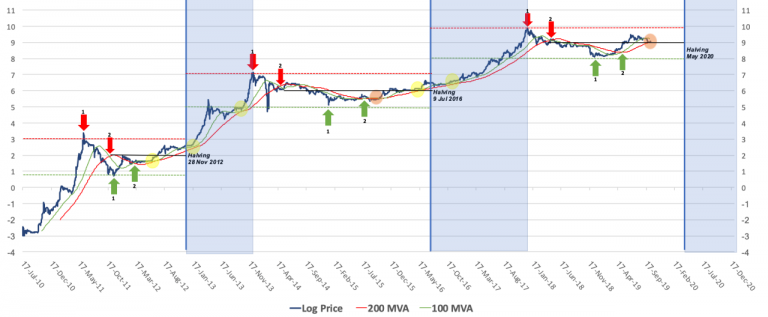
March 15, 2026

Cryptocurrency

Crypto meaning telugu serves as a gateway to exploring the fascinating world of cryptocurrencies, which have transformed the financial landscape globally. As digital currencies gain traction, understanding their significance in the Telugu-speaking community becomes ever more crucial.

This guide delves into the meaning of cryptocurrency in Telugu, its origins, varieties, functioning, legal frameworks, investment opportunities, associated risks, and future prospects, providing a comprehensive understanding for anyone interested in this digital revolution.

Understanding Crypto in Telugu

Cryptocurrency, or “crypto,” has gained significant attention worldwide, including in Telugu-speaking regions. In Telugu, the term for cryptocurrency is క్రిప్టోకరెన్సీ (Kriptokarensī). This article explores the meaning of crypto, its origins, and its relevance in the global economy, specifically for Telugu speakers.The concept of cryptocurrency originated with the introduction of Bitcoin in 2009 by an anonymous person or group of people using the pseudonym Satoshi Nakamoto.

The term “crypto” refers to the use of cryptography for security, making it difficult to counterfeit or double-spend. Cryptocurrencies leverage blockchain technology, a distributed ledger enforced by a network of computers (often referred to as nodes). This technology ensures transparency and security in financial transactions.In the global economy, cryptocurrencies are becoming increasingly significant. They offer an alternative mode of exchange that is not controlled by any central authority, allowing for decentralized finance (DeFi).

In Telugu-speaking regions, the rising interest in technology and digital finance is leading to a growing acceptance of cryptocurrencies as a valid means of transaction, investment, and wealth transfer.

Types of Cryptocurrencies

There are various types of cryptocurrencies available in the market today. Understanding these types helps investors and users make informed decisions. Below is a categorized list of prominent cryptocurrencies along with their names translated into Telugu.

  • Bitcoin (బిట్‌కాయిన్)
  • Ethereum (ఎథీరియం)
  • Ripple (రిపుల్)
  • Litecoin (లైట్‌కాయిన్)
  • Cardano (కార్డానో)

Each category of cryptocurrency has unique features. For instance, Bitcoin is the first and most recognized cryptocurrency, known for its limited supply and use as digital gold. Ethereum, on the other hand, offers a platform for decentralized applications (dApps) and smart contracts, making it highly versatile in the blockchain ecosystem.

How Cryptocurrency Works

The underlying technology of cryptocurrency is blockchain, which is essentially a decentralized and distributed digital ledger. This technology records all transactions across a network of computers.The process of cryptocurrency transactions involves several steps:

  • A user initiates a transaction.
  • The transaction is broadcasted to a network of computers (nodes).
  • Nodes validate the transaction through consensus.
  • Once validated, the transaction is added to a block.
  • The block is added to the blockchain, completing the transaction.

To visualize the mining process, a flowchart Artikels the steps involved:

  • Transaction occurs.
  • Transaction is verified.
  • Miners compete to solve a cryptographic puzzle.
  • The first to solve it adds the block to the blockchain.
  • Reward is given to the miner.

Legal Aspects of Cryptocurrency in India

In India, the regulatory framework surrounding cryptocurrency is still developing. The Reserve Bank of India (RBI) has taken cautious steps towards regulating cryptocurrencies, leading to a mix of acceptance and skepticism within the market.Legal recognition of cryptocurrencies in the Telugu context opens avenues for economic growth, innovation, and investment opportunities. However, it also requires consumers and investors to be aware of the risks involved.

When comparing international regulations, countries like El Salvador have embraced Bitcoin as legal tender, while others like China have imposed strict bans on cryptocurrency trading. India is navigating its path, balancing innovation with regulatory scrutiny.

Investing in Cryptocurrency

For Telugu speakers looking to invest in cryptocurrency, it is essential to follow a structured approach. Here’s a guide to get started:

  • Research various cryptocurrencies and understand their fundamentals.
  • Choose a reliable cryptocurrency exchange.
  • Set up a secure digital wallet.
  • Start with a small investment and diversify your portfolio.

To ensure safe and secure cryptocurrency investment, consider the following tips:

  • Use hardware wallets for storing large amounts.
  • Enable two-factor authentication on exchanges.
  • Keep your private keys confidential.

Successful investment examples include Bitcoin, which has seen a remarkable rise in value since its inception, and Ethereum, which has grown due to its utility in smart contracts and dApps.

Risks and Challenges

Investing in cryptocurrencies comes with potential risks that investors should be aware of. Volatility is one of the most significant challenges, as prices can fluctuate dramatically within short periods, impacting investment returns.Common scams in the cryptocurrency space include Ponzi schemes and phishing attacks. Investors must remain vigilant and conduct thorough research to avoid falling prey to fraudulent schemes.Market volatility poses challenges to investors, making it crucial to adopt a strategic approach to investment and risk management.

Future of Cryptocurrency

The future trends of cryptocurrency suggest potential growth as technological advancements continue to shape the landscape. Innovations such as improved transaction speed, scalability, and energy-efficient consensus mechanisms are on the rise.Experts predict that the integration of cryptocurrencies into traditional financial systems will become more prevalent. In India, the increasing fintech landscape and crypto adoption are likely to lead to more robust regulations and wider acceptance of digital currencies.

Final Wrap-Up

In conclusion, by unraveling the crypto meaning telugu, we highlight not only the basics of cryptocurrency but also its evolving nature in the global economy. As technology advances, staying informed about the nuances of cryptocurrency can empower individuals to navigate this dynamic financial frontier effectively.

Detailed FAQs

What is cryptocurrency?

Cryptocurrency is a form of digital or virtual currency that uses cryptography for security and operates on technology known as blockchain.

How can I start investing in cryptocurrency?

To start investing, choose a reliable exchange, create an account, and follow the instructions for buying your preferred cryptocurrencies.

What are the risks of investing in cryptocurrency?

Risks include market volatility, regulatory changes, and the potential for scams or fraud.

Is cryptocurrency legal in India?

Cryptocurrency exists in a complex legal space in India, where regulations are still being developed, but it is not banned.

Can cryptocurrencies be used for everyday transactions?

Yes, some cryptocurrencies can be used for everyday transactions, depending on merchant acceptance and local regulations.

xrp coin and trump present a fascinating intersection of technology and politics, where the world of cryptocurrency meets the influence of one of the most polarizing figures in recent American history. As XRP aims to revolutionize cross-border transactions with its innovative technology, the implications of Trump’s presidency on the cryptocurrency market could shape its future trajectory. This discussion sheds light on how political climates can directly affect the adoption and valuation of digital currencies like XRP.

From the origins of XRP coin to the broader political landscape, we will delve into how Trump’s policies and statements resonate within the cryptocurrency community and the potential impacts on XRP’s value. By examining Trump’s stance on regulation and his economic policies, we will uncover what the future might hold for XRP in a world increasingly influenced by political decisions.

Background of XRP Coin

XRP, developed by Ripple Labs, emerged in 2012 as a digital asset designed to facilitate international money transfers with greater speed and efficiency. Unlike other cryptocurrencies, XRP was built with a specific purpose in mind: to serve as a bridge currency for cross-border transactions, making it easier for financial institutions to transfer value across borders.The technology behind XRP is what sets it apart in the cryptocurrency market.

It utilizes a consensus algorithm called the XRP Ledger, which allows transactions to be settled in a matter of seconds, significantly faster than Bitcoin or Ethereum. This unique feature enables financial institutions to process a high volume of transactions without incurring extensive fees, making XRP an attractive option for cross-border payments. Additionally, XRP is designed to be scalable, with the potential to handle thousands of transactions per second.In facilitating cross-border transactions, XRP plays a crucial role in the global financial ecosystem.

By reducing the reliance on traditional banking systems and providing liquidity, XRP allows for smoother and more efficient money transfers. This has garnered interest from banks and payment providers worldwide, positioning XRP as a key player in the evolving landscape of digital finance.

Political Landscape Influencing Cryptocurrencies

Not just Bitcoin — these tokens are also surging amid the Trump crypto ...

The political environment significantly impacts the cryptocurrency market, shaping the way digital assets like XRP are perceived and adopted. Political figures can influence market sentiment, either positively or negatively, based on their public statements and policies regarding cryptocurrencies.Governmental policies play a pivotal role in the adoption of cryptocurrencies. Regulations can either encourage innovation or stifle growth, depending on how they are structured.

For instance, clear regulatory frameworks can provide legitimacy to cryptocurrencies, thereby increasing adoption among financial institutions and the public. Conversely, overly restrictive policies can hinder the growth of the market and discourage investment in cryptocurrencies like XRP.Regulatory changes often correlate with fluctuations in the value of XRP. For example, favorable regulations may lead to increased demand and higher prices, while negative policies can cause significant downturns.

Understanding the relationship between political dynamics and cryptocurrency valuations is essential for investors and stakeholders in the market.

Donald Trump’s Stance on Cryptocurrency

Former President Donald Trump has had a notable influence on the cryptocurrency landscape through his public statements and policy positions. Trump has expressed skepticism about cryptocurrencies, suggesting that they pose risks to investors and the financial system. This skepticism reflects a broader concern among regulators regarding the potential for fraud and market manipulation in the cryptocurrency space.Trump’s views on financial regulation are critical in understanding his approach to digital currencies.

He has generally favored deregulation in various sectors, which could present an opportunity for cryptocurrencies to flourish under less stringent oversight. However, his administration also emphasized the need for regulatory clarity to protect consumers, creating a complex dynamic for the future of digital currencies.The implications of Trump’s presidency on the future of cryptocurrencies could be profound. His approach to regulation, combined with the rise of digital assets, may influence how both the public and institutional investors perceive cryptocurrencies like XRP.

As political sentiment shifts, the cryptocurrency market could see significant changes in response to Trump’s policies.

XRP Coin and Trump’s Policies

Analyzing how Trump’s economic policies could influence the value and adoption of XRP reveals several key considerations. Under his administration, the emphasis on deregulation could foster a more favorable environment for cryptocurrency innovation and investment. This may lead to increased institutional adoption of XRP as a viable option for international transactions, boosting its market presence.Predictions on potential market shifts for XRP during Trump’s administration suggest that if his policies lean towards embracing technology and innovation, XRP could experience enhanced adoption rates.

For instance, increased partnerships with financial institutions could arise, fostering greater trust and liquidity in the market.When comparing Trump’s fiscal approaches to those of previous administrations, it becomes clear that his focus on deregulation could create a more conducive environment for cryptocurrencies. Unlike prior administrations that may have taken a cautious approach, Trump’s policies might prioritize economic growth through technological advancements, benefiting digital currencies like XRP.

Community Reactions and Speculations

The cryptocurrency community has reacted diversely to Trump’s statements and policies regarding digital currencies. While some view his skepticism as a barrier to mainstream adoption, others believe that his administration’s potential for deregulation could ultimately benefit the sector.Experts within the cryptocurrency space are divided on the future of XRP with Trump in the political arena. Some predict a bullish outlook, citing potential regulatory reforms that could enhance market participation.

Others remain cautious, emphasizing the uncertainty surrounding regulatory frameworks and their implications for XRP’s value.

Community Sentiment Reaction to Trump’s Policies
Optimistic Belief in positive regulatory changes
Pessimistic Concerns about potential restrictions
Neutral Waiting for clearer regulatory guidance

Future Outlook for XRP Coin

A thorough analysis of potential trends for XRP in the coming years indicates that its trajectory will largely depend on political developments and regulatory frameworks. As cryptocurrencies gain more attention from policymakers, XRP could either thrive or face obstacles based on the prevailing political climate.Trump’s ongoing influence could shape the future landscape for XRP, particularly if his administration continues to push for innovation in financial technology.

Scenarios where XRP gains traction might include increased adoption by banks and payment processors, leading to greater liquidity and usage in cross-border transactions.Conversely, if regulatory challenges arise or if Trump’s administration takes a more protective stance towards traditional financial systems, XRP could struggle to maintain its market position. The interplay between political developments and market dynamics will ultimately determine XRP’s fate in the evolving cryptocurrency landscape.

Conclusion

Trump's Crypto Platform Draws Doubts Head of Election

In conclusion, the relationship between xrp coin and trump encapsulates a dynamic and evolving narrative, highlighting the significant influence of political figures on cryptocurrency markets. As we anticipate future developments, the reactions from the community and the potential shifts in market sentiment will be pivotal in determining XRP’s path forward. Whether it thrives or faces challenges, the intersection of cryptocurrency and politics will remain a captivating story to follow.

Questions Often Asked

What is XRP coin?

XRP coin is a digital currency designed for fast and cost-effective cross-border transactions.

How does Trump’s presidency impact XRP?

Trump’s policies and regulation stance may influence the adoption and valuation of XRP in the market.

What are the unique features of XRP?

XRP offers fast transaction speeds, low fees, and a consensus mechanism that differentiates it from Bitcoin.

What role do political figures play in the crypto market?

Political figures can significantly impact market sentiment and regulatory frameworks surrounding cryptocurrencies.

Where can I find more information about XRP?

More information can be found on cryptocurrency news websites and financial analysis platforms.

As crypto companies luxembourg takes center stage, this opening passage beckons readers into a world rich with innovation and opportunity. Luxembourg has emerged as a significant hub for cryptocurrency firms, thanks to its robust regulatory framework and supportive economic environment.

The nation not only fosters a vibrant ecosystem for various types of crypto businesses but also offers a unique blend of historic financial expertise and modern technological advancements, making it an attractive destination for entrepreneurs and investors alike.

Overview of Crypto Companies in Luxembourg

Luxembourg has emerged as a significant hub for cryptocurrency companies, attracting a diverse range of firms and innovations within the blockchain space. Its strategic location at the heart of Europe, coupled with a proactive regulatory framework, has set the stage for a thriving crypto ecosystem. Over the years, Luxembourg has positioned itself as a leading destination for cryptocurrency businesses looking to operate in a secure and compliant environment.The regulatory landscape in Luxembourg is designed to support the growth of cryptocurrency companies while ensuring investor protection and market integrity.

The government and financial authorities have established clear guidelines that facilitate the operation of crypto-related businesses, encouraging both local and international firms to set up shop. The historical development of the crypto market in Luxembourg can be traced back to early adopters and innovators who recognized the potential of blockchain technology, paving the way for the current landscape that boasts a mix of startups and established players.

Types of Crypto Companies in Luxembourg

Luxembourg hosts a variety of crypto companies, each serving different segments of the market and fulfilling unique needs. The diversity in the types of companies not only enriches the ecosystem but also drives innovation and competition. The primary categories of crypto companies in Luxembourg include:

  • Blockchain Development Firms: These companies focus on creating blockchain-based solutions and applications for various industries.
  • Cryptocurrency Exchanges: Platforms that allow users to trade cryptocurrencies for other digital currencies or fiat currencies.
  • Wallet Providers: Companies offering cryptocurrency wallets for secure storage and transaction of digital assets.
  • Payment Processors: Firms that facilitate cryptocurrency payments for merchants and consumers.
  • Investment Firms: Companies specializing in cryptocurrency investment products, including funds and asset management services.

Several well-known crypto firms are based in Luxembourg, contributing significantly to the local industry. Examples include Bitstamp, one of the longest-standing cryptocurrency exchanges, and Tokeny Solutions, which specializes in tokenization services. These companies offer a range of services that cater to both individual users and institutional clients, showcasing the versatility of Luxembourg’s crypto sector.

Regulatory Environment for Crypto Businesses

Establishing a crypto company in Luxembourg involves navigating a well-defined legal framework that prioritizes compliance and investor protection. The process begins with registering the business with relevant authorities and obtaining necessary licenses, depending on the services offered.The Commission de Surveillance du Secteur Financier (CSSF) plays a pivotal role in regulating crypto companies in Luxembourg. The CSSF ensures that firms comply with stringent anti-money laundering (AML) and counter-terrorism financing (CTF) laws, safeguarding the integrity of the financial system.

Compliance measures that crypto companies must adhere to include conducting thorough customer due diligence, maintaining transparent records, and submitting regular reports to regulatory bodies.

Economic Impact of Crypto Companies in Luxembourg

Cryptocurrency companies in the UK fail money laundering test ...

The presence of crypto companies in Luxembourg has made a notable contribution to the local economy. Beyond generating revenue, these firms create a multitude of job opportunities across various sectors, from tech and finance to marketing and compliance. The crypto sector’s growth is a testament to the increasing demand for digital assets and blockchain technology, which in turn drives investment into the region.Investment influx due to crypto companies has been significant, with many firms attracting venture capital and private equity funding.

This capital not only supports the growth of individual companies but also stimulates the broader economic landscape in Luxembourg, fostering innovation and entrepreneurship.

Challenges Faced by Crypto Companies in Luxembourg

Despite the favorable conditions, crypto companies in Luxembourg face several challenges that can impede their growth. One of the primary obstacles is the evolving nature of global cryptocurrency regulations, which can create uncertainty for local firms as they navigate compliance requirements. Regulatory changes in other jurisdictions can have direct implications on Luxembourg-based companies, requiring them to adapt swiftly to stay compliant.Additionally, cybersecurity threats pose a significant challenge to crypto businesses, as they are prime targets for hackers looking to exploit vulnerabilities.

Companies must invest in robust security measures to protect sensitive data and assets, ensuring they maintain trust with their users.

Future Trends for Crypto Companies in Luxembourg

Looking ahead, the Luxembourg crypto landscape is poised for further development as technological advancements continue to shape the industry. Innovations in blockchain technology, such as enhancements in scalability and interoperability, are expected to drive the next wave of growth for crypto firms operating in the region.Potential partnerships and collaborations between crypto companies and traditional financial institutions may also emerge, creating synergies that enhance service offerings and expand the customer base.

As Luxembourg continues to solidify its reputation as a crypto hub, companies will likely explore new avenues for growth and innovation.

Case Studies of Successful Crypto Companies

Bitcoin crypto currency coin with cracked Luxembourg flag. Crypto ...

Successful crypto companies in Luxembourg exemplify the potential of the local industry. For instance, Bitstamp has maintained its position as a leading cryptocurrency exchange due to its commitment to security and compliance. The firm’s business model focuses on customer trust and regulatory adherence, which has garnered a loyal user base over the years.Another example is Coinfirm, which specializes in blockchain analytics and compliance solutions.

By providing tools that enhance transparency in cryptocurrency transactions, Coinfirm has established itself as a critical player in the regulatory landscape. These case studies highlight the importance of innovation and adherence to regulations for emerging crypto firms seeking to thrive in Luxembourg’s competitive environment.

End of Discussion

In conclusion, the landscape of crypto companies in Luxembourg showcases a dynamic interplay between opportunity and challenge. As the sector continues to evolve, it promises exciting developments that could reshape the regional economy and further entrench Luxembourg as a leading player in the global cryptocurrency arena.

Commonly Asked Questions

Why is Luxembourg considered a crypto hub?

Luxembourg is regarded as a crypto hub due to its favorable regulatory framework, strategic location in Europe, and a strong financial sector that supports innovation.

What types of crypto companies are found in Luxembourg?

Various types of crypto companies operate in Luxembourg, including exchanges, wallet providers, and blockchain technology firms.

How does the CSSF regulate crypto companies?

The CSSF oversees the compliance of crypto firms with regulations, ensuring they adhere to legal requirements to maintain market integrity and consumer protection.

What challenges do crypto companies face in Luxembourg?

Crypto companies in Luxembourg face challenges such as cybersecurity threats, evolving global regulations, and the need to keep up with rapid technological changes.

What is the economic impact of crypto companies in Luxembourg?

Crypto companies contribute significantly to Luxembourg’s economy through job creation, attracting investments, and fostering innovation in the financial sector.

Understanding crypto depin meaning opens up a fascinating dialogue about how this innovative financial concept is reshaping the landscape of modern finance. As traditional banking systems grapple with the rise of cryptocurrencies, crypto depin emerges as a significant player, bridging gaps and redefining investment strategies.

At its core, crypto depin refers to the decentralized approach to financial transactions, leveraging blockchain technology to enhance transparency and security. By gathering the unique components and applications of crypto depin, we can appreciate its growing importance in today’s economic environment.

Definition of Crypto Depin

Crypto Depin, a term emerging from the intersection of decentralized finance and cryptocurrency, encapsulates a variety of strategies and mechanisms that aim to disconnect traditional financial systems from the operational and transactional aspects of digital assets. Essentially, it refers to the practice of utilizing decentralized platforms and tools to manage, invest, and transact in cryptocurrencies, minimizing reliance on centralized institutions.Key components that contribute to the concept of crypto depin include decentralized exchanges (DEXs), liquidity pools, smart contracts, and automated market makers (AMMs).

These elements allow users to trade and manage their assets without the need for intermediaries, providing greater control and flexibility over their financial activities. For example, users can participate in liquidity provision through DEXs, earning fees in return for supplying assets to trading pairs, thereby enhancing market efficiency.

Importance of Crypto Depin

The significance of crypto depin in modern finance cannot be overstated. As financial landscapes evolve, the ability to engage in transactions without intermediaries offers unprecedented freedom and autonomy. This shift has begun to diminish the traditional banking system’s role, as more individuals and entities opt for decentralized solutions over conventional banking services.The impact of crypto depin is notably evident in regions with limited banking infrastructure, where individuals can leverage cryptocurrencies for everyday transactions.

Case studies, such as the adoption of Bitcoin in Venezuela during hyperinflation, illustrate how crypto depin can offer an alternative financial solution, granting individuals access to value storage and transaction capabilities outside of a failing national currency.

Mechanisms of Crypto Depin

Implementing crypto depin involves several processes that facilitate the decentralized management of assets. Users typically engage in activities such as setting up wallets, participating in decentralized exchanges, and utilizing smart contracts for automated transactions. The workflow can be illustrated in a flowchart displaying steps like asset acquisition, liquidity provision, and transaction execution.Different types of crypto depin strategies include yield farming, staking, and participating in DAO governance.

Each strategy presents unique opportunities for users to enhance their returns while contributing to the decentralized ecosystem.

Benefits of Crypto Depin

Engaging in crypto depin offers numerous benefits for users. Notably, these advantages include:

  • Enhanced Autonomy: Users maintain full control over their assets without relying on centralized institutions.
  • Lower Fees: Transactions on decentralized platforms often incur fewer fees compared to traditional methods.
  • Accessibility: Crypto depin opens financial opportunities to unbanked and underbanked populations.
  • Potential for High Returns: Innovative strategies like yield farming can offer substantial returns on investments.

When comparing crypto depin with traditional investment methods, notable differences arise, particularly in terms of transparency, fee structures, and the speed of transactions. Testimonials from users highlight the transformative impact of crypto depin, with many expressing gratitude for newfound financial independence and wealth generation.

Risks and Challenges of Crypto Depin

While crypto depin presents unique opportunities, it is not without risks. Potential issues include:

  • Market Volatility: The value of cryptocurrencies can fluctuate dramatically, impacting investments.
  • Security Risks: Users face threats from hacking and scams in the decentralized space.
  • Regulatory Uncertainty: The evolving legal landscape can introduce compliance challenges.

Common challenges faced by users include navigating complex platforms and understanding the intricacies of smart contracts. To mitigate these risks, users can employ strategies such as utilizing hardware wallets, conducting due diligence, and staying informed about regulatory developments.

Future Trends in Crypto Depin

Anticipating the future of crypto depin reveals a landscape poised for significant evolution. As technologies such as artificial intelligence and blockchain interoperability advance, crypto depin is likely to integrate more seamlessly into everyday financial activities. Potential developments might include enhanced user interfaces for decentralized platforms and innovative products that cater to diverse financial needs.Regulatory changes are also expected to shape the future of crypto depin.

As governments around the world grapple with digital asset regulation, frameworks that encourage innovation while protecting consumers may emerge, ultimately legitimizing and expanding the scope of crypto depin.

Community Perspectives on Crypto Depin

The community surrounding crypto depin is diverse, with varying opinions and perspectives. Forums such as Reddit and specialized Discord channels serve as hubs for discussion, where users share insights, strategies, and experiences related to crypto depin.Key discussions often revolve around the merits of different decentralized platforms, investment strategies, and the implications of emerging technologies. Engaging in these communities provides users with a wealth of knowledge, fostering collaboration and learning within the growing crypto depin ecosystem.

Final Thoughts

In summary, the exploration of crypto depin meaning not only highlights its relevance in the current financial ecosystem but also paints a picture of its potential future. As users and investors continue to navigate this dynamic space, understanding its mechanisms, benefits, and challenges will be key to harnessing its full potential.

FAQ Compilation

What is the main advantage of crypto depin?

The primary advantage of crypto depin is its ability to facilitate secure, transparent transactions without the need for intermediaries, which can lower costs and increase efficiency.

How does crypto depin compare to traditional banking?

Unlike traditional banking, crypto depin operates on a decentralized model, giving users more control over their assets and reducing reliance on centralized institutions.

Are there specific strategies for investing in crypto depin?

Yes, investors can adopt various strategies such as dollar-cost averaging, diversified portfolio management, and leveraging blockchain analytics to make informed decisions.

What are common challenges faced in the crypto depin space?

Common challenges include market volatility, regulatory uncertainties, and the risk of security breaches, which can impact user confidence and investment decisions.

How is the future of crypto depin expected to evolve?

The future of crypto depin is likely to evolve with advancements in technology, such as artificial intelligence and machine learning, as well as potential regulatory frameworks that could shape the industry.

Navigating the world of cryptocurrency can be daunting, especially when considering options like Bitcoin ATMs. This guide provides a comprehensive overview of Bitcoin ATM locations in South Africa, detailing the process of buying Bitcoin at these machines. We’ll also touch upon the security aspects and regulations that govern this emerging financial landscape.

Finding a reliable Bitcoin ATM in South Africa requires research and understanding the available options. This resource aims to simplify the process, empowering users to make informed decisions when purchasing Bitcoin through this channel.

Introduction to Bitcoin ATMs in South Africa

Bitcoin ATMs are a readily available means for South Africans to acquire Bitcoin. Their widespread presence across the country makes them a convenient option for those looking to engage in cryptocurrency transactions. This accessibility has been fueled by a growing interest in Bitcoin and other cryptocurrencies within South Africa.The evolution of Bitcoin ATMs in South Africa mirrors the global trend.

Early adoption saw limited availability, primarily concentrated in urban centers. As the cryptocurrency market matured and user interest increased, so did the number of Bitcoin ATMs, spreading to more suburban and rural areas. This expansion reflects a larger trend of accessibility and integration of cryptocurrencies into mainstream financial systems.

Overview of Bitcoin ATM Availability

Bitcoin ATMs are becoming increasingly common in South Africa, providing a readily accessible way to buy and sell Bitcoin. Their presence is notable in urban areas, with a growing trend toward wider distribution across the country. This accessibility is a positive aspect for those seeking to engage in cryptocurrency transactions without the complexities of traditional financial institutions.

History and Evolution of Bitcoin ATMs

The early Bitcoin ATMs in South Africa primarily served as pilot programs for cryptocurrency adoption. These initial deployments focused on urban centers, often catering to a tech-savvy demographic. As the technology and understanding of cryptocurrencies advanced, the range of users seeking to engage in Bitcoin transactions grew. This expanded user base drove the need for greater accessibility, leading to the growth in the number of Bitcoin ATMs across the country.

Types of Bitcoin ATMs

Bitcoin ATMs in South Africa are largely similar in functionality to their global counterparts. The primary distinction lies in the specific providers and the varying features they may offer. Different providers may have different interfaces and support various cryptocurrencies, but the core function—buying and selling Bitcoin—remains consistent.

Fees Associated with Bitcoin ATMs

Transaction fees are a crucial consideration when using Bitcoin ATMs. These fees vary depending on the specific provider and the amount of Bitcoin purchased. A common practice is a percentage-based fee, adding to the overall cost of the transaction. It’s essential to compare fees from different providers to find the most cost-effective option. It’s also important to be aware that these fees can vary, and users should always check the current pricing structure with the ATM provider.

Comparison of Bitcoin ATM Providers

Provider Location Fees Features
Example Provider 1 Example Location (e.g., major city) Example Fee (e.g., 5% of transaction) Example Feature (e.g., user-friendly interface, various cryptocurrencies)
Example Provider 2 Example Location (e.g., suburban area) Example Fee (e.g., 6% of transaction) Example Feature (e.g., multilingual support, 24/7 availability)

The table above provides a rudimentary comparison. Comprehensive analysis would require further investigation into specific provider details, including their fee structures, available cryptocurrencies, and user reviews. A thorough comparison is recommended for individuals to select the most suitable provider based on their specific needs.

Finding Bitcoin ATMs in South Africa

Locating Bitcoin ATMs in South Africa is straightforward with the right resources. Knowing where to look can save you time and potentially money. This section Artikels reliable methods for finding these machines, ensuring a smooth and efficient transaction.

Reliable Resources for Bitcoin ATM Locations

Finding Bitcoin ATMs in South Africa is made easier by a variety of online resources. These tools offer up-to-date information on ATM locations, saving you the effort of manual searching. Leveraging these platforms can significantly streamline your search process.

  • Dedicated Bitcoin ATM Directories:
  • Several websites and mobile apps specialize in compiling listings of Bitcoin ATMs. These resources often feature detailed information, including the ATM’s precise address, operating hours, and sometimes even transaction fees. This targeted approach is crucial in narrowing down your search and finding a suitable ATM nearby.

  • Online Search Engines:
  • General search engines like Google can also be utilized to locate Bitcoin ATMs in specific areas. By incorporating relevant s like “Bitcoin ATM [City Name],” “Bitcoin ATM [Neighborhood],” or “Bitcoin ATM near me,” you can often find relevant listings. Be sure to filter the results to find the most recent listings and up-to-date information.

  • Mapping Services:
  • Employing mapping services such as Google Maps, Bing Maps, or similar platforms, allows you to pinpoint Bitcoin ATMs near your current location. This method offers a visual representation of ATM locations and distances, allowing you to select the most convenient option. This approach is particularly helpful when you’re on the move or planning a trip.

Using Online Maps and Directories

Leveraging online maps and directories to locate Bitcoin ATMs is efficient. These tools allow you to pinpoint ATMs close to your current location or planned destination. This is a convenient approach for discovering nearby ATMs.

For instance, searching on Google Maps for “Bitcoin ATM near me” will typically yield a list of nearby ATMs. You can then filter results by distance, opening hours, and other relevant criteria. Using the map feature will allow you to see the ATM’s precise location and directions.

Summary of Online Resources

The following table summarizes various online resources for finding Bitcoin ATMs in South Africa.

Resource Type Pros Cons
CoinATMradar Website Comprehensive listings, often updated, detailed information on fees and hours May not be as user-friendly as a mobile app
LocalBitcoins Website Well-established platform, potentially high volume of users May not solely focus on ATM locations
Google Maps Mobile App/Web Easy to use, readily available, visual representation Information may not be as detailed as dedicated Bitcoin ATM directories
Bitcoin ATM Finder App Mobile App Convenient access, often with features like filtering by distance and hours App availability and reliability can vary

Buying Bitcoin at ATMs

Purchasing Bitcoin through ATMs in South Africa is a convenient option for many. However, understanding the process and potential risks is crucial for a secure transaction. This section details the procedure and considerations for using Bitcoin ATMs.The process of buying Bitcoin at an ATM is generally straightforward, resembling a traditional cash-to-card transaction. Users insert cash, select the desired Bitcoin amount, and receive the corresponding Bitcoin.

However, unique procedures and security measures exist within the Bitcoin ATM environment, which this section explores.

ATM Purchase Process

The Bitcoin ATM purchase process typically involves several steps. Firstly, users select the desired amount of Bitcoin they wish to purchase. This is usually done by inputting the amount or selecting from pre-set options. Next, the user inserts the required cash amount into the ATM. Crucially, the ATM verifies the cash and then generates a unique transaction code, often displayed on a screen or printed receipt.

This step is vital as it confirms the transaction’s validity. Following this, the user confirms the transaction on the ATM screen. Finally, the ATM dispenses the Bitcoin, typically in a digital wallet or by providing an address where the Bitcoin can be sent. The whole process usually takes a few minutes, from initial selection to the Bitcoin disbursement.

Identification Requirements

Security measures are critical when purchasing Bitcoin. Bitcoin ATMs typically require users to provide identification, which is vital for verifying their identity. Examples of acceptable identification documents might include a South African ID document, passport, or driver’s license. These documents often need to be scanned or presented to the ATM for verification purposes. The specific requirements can vary from ATM to ATM, and it’s always recommended to check with the ATM provider for precise details.

Security Concerns

While convenient, using Bitcoin ATMs comes with inherent security concerns. The possibility of ATM malfunctions or fraudulent activity is a concern. Furthermore, the vulnerability to physical theft or damage of the ATM itself is a significant risk. Users should be vigilant about the ATM’s surroundings and take necessary precautions. Using reputable Bitcoin ATM providers can mitigate some risks, but complete security is never guaranteed.

Furthermore, users should be wary of phishing attempts or fraudulent websites claiming to be affiliated with Bitcoin ATMs.

Step-by-Step Guide

  1. Locate a Bitcoin ATM near you, checking reviews and the ATM provider’s reputation.
  2. Ensure you have the necessary identification documents, like an ID or passport.
  3. Choose the desired amount of Bitcoin to purchase.
  4. Insert the correct cash amount into the ATM.
  5. Provide the necessary identification for verification.
  6. Confirm the transaction on the ATM screen.
  7. Receive the Bitcoin in your designated wallet or by providing a Bitcoin address.
  8. Keep a record of the transaction and your receipt.

Buying Bitcoin in General

Buy 2 Get 1 Free Promotional Banner Vector, Buy Two Get One Free, Get 1 ...

Beyond Bitcoin ATMs, a variety of methods exist for acquiring Bitcoin. These alternatives offer varying levels of convenience, security, and associated fees. Understanding these different approaches is crucial for making informed decisions about your Bitcoin purchases.Online exchanges are a popular and convenient way to buy Bitcoin. They provide a platform for users to trade cryptocurrencies with ease.

Many factors influence the choice of an exchange, such as the available payment methods, transaction fees, security measures, and overall user experience. This section delves into the diverse options available, highlighting key differences and considerations.

Various Methods for Buying Bitcoin

Different methods for acquiring Bitcoin cater to various needs and preferences. Beyond ATMs, individuals can utilize bank transfers, credit/debit cards, or peer-to-peer (P2P) platforms. Each method comes with its own set of advantages and disadvantages. For instance, bank transfers often involve slightly higher fees but are generally more secure, while credit/debit cards offer faster transaction times.

Comparison of Buying Bitcoin Through ATMs vs. Other Methods

Bitcoin ATMs offer a readily available, physical alternative to online exchanges. However, their transaction fees and the availability of payment methods are often limited compared to online exchanges. This comparison underscores the trade-offs involved in choosing one method over another.

Online Bitcoin Exchanges

Online platforms facilitate Bitcoin purchases with various payment options and levels of security. The diverse range of exchanges necessitates careful consideration of key factors such as fees, security protocols, and available features.

Comparison Table of Popular Online Bitcoin Exchange Platforms

Exchange Features Fees Security
Binance Wide range of cryptocurrencies, advanced trading tools, low fees for high-volume traders Variable, tiered based on trading volume Robust security measures, multi-factor authentication, cold storage
Coinbase User-friendly interface, suitable for beginners, fiat currency deposits Variable, tiered based on trading volume Strong security, insured customer funds, regulatory compliance
Kraken High trading volume, advanced features for experienced traders, low fees for high-volume traders Variable, tiered based on trading volume Excellent security, cold storage, multiple security layers
Gemini Focus on security and compliance, strong regulatory oversight, user-friendly interface Variable, tiered based on trading volume High security standards, insurance for customer funds

Note: Fees and security measures can change. Always review the latest information on the specific exchange’s website.

Security Considerations

Buying Bitcoin, like any financial transaction, requires careful attention to security. Bitcoin ATMs, while convenient, introduce specific risks that need to be understood and mitigated. Understanding these risks and adopting best practices is crucial to protecting your investment and personal information.Bitcoin transactions, while often portrayed as anonymous, are ultimately traceable. Security vulnerabilities, whether through physical attacks on ATMs or fraudulent activities online, can lead to significant losses.

Taking proactive steps to safeguard your financial assets is paramount.

Importance of Security in Bitcoin Purchases

Protecting your financial assets is paramount when engaging in Bitcoin transactions. Bitcoin, while digital, represents a valuable asset that can be lost due to security breaches. Careful consideration of security protocols is essential to prevent potential losses and protect your personal information.

Common Security Risks Associated with Bitcoin ATMs

Bitcoin ATMs, while convenient, can be vulnerable to various security risks. Physical theft of the ATM itself or unauthorized access to its internal systems pose significant threats. Tampering with the machine or exploiting vulnerabilities in its software are also possibilities. Users should be vigilant about the environment and surroundings during ATM transactions to prevent potential physical threats.

Criminals may target ATMs for robbery, seeking to gain access to the Bitcoin held within.

Best Practices for Protecting Personal Information

Protecting personal information is critical when engaging with Bitcoin ATMs. Avoid using public Wi-Fi networks for Bitcoin transactions, as they are vulnerable to eavesdropping. Choose strong and unique passwords for any accounts used in conjunction with Bitcoin transactions. Ensure the ATM’s surroundings are secure and free from potential threats. Criminals might use ATMs to collect personal data, and users should avoid interacting with ATMs in compromised environments.

Scams and Fraudulent Activities Related to Bitcoin

Bitcoin, like other digital currencies, is susceptible to scams and fraudulent activities. Phishing attempts, impersonating legitimate entities, and baiting users into revealing sensitive information are common tactics. Be wary of unsolicited offers and suspicious emails, and always verify the legitimacy of any Bitcoin-related communications. A key aspect of avoiding scams is verifying the authenticity of the ATM operator.

Scammers might pose as legitimate Bitcoin vendors, aiming to steal your money or personal information.

Security Tips for Bitcoin Users

  • Verify the ATM’s Reputation: Research the ATM’s reputation and history to ensure its legitimacy before using it. Check for any complaints or security concerns.
  • Use Strong Passwords and Two-Factor Authentication (2FA): Employ strong, unique passwords for all accounts linked to your Bitcoin transactions. Enable 2FA wherever possible to add an extra layer of security.
  • Review Transaction Details Carefully: Double-check all transaction details before confirming any purchase to avoid mistakes or fraudulent activity. Pay close attention to the amount and destination address.
  • Avoid Public Wi-Fi Networks: Avoid using public Wi-Fi networks for Bitcoin transactions to mitigate the risk of unauthorized access to your data.
  • Be Aware of Phishing Attempts: Exercise caution and skepticism regarding unsolicited emails or messages related to Bitcoin. Verify the authenticity of any communication before providing personal information.
  • Use a Secure and Reliable Wallet: Employ a secure and reputable Bitcoin wallet to store and manage your digital assets. Choose a wallet with robust security features.
  • Stay Informed about Security Updates: Stay up-to-date on the latest security protocols and updates regarding Bitcoin ATMs to avoid potential vulnerabilities.

Regulations and Legal Aspects

Bitcoin’s legal status in South Africa is currently evolving, with ongoing discussions and adjustments to existing frameworks. This dynamic environment necessitates careful consideration of the regulatory landscape when engaging with Bitcoin ATMs. Understanding the legal implications is crucial for both buyers and operators.The South African Reserve Bank (SARB) does not explicitly ban Bitcoin, but its stance is that cryptocurrencies are not legal tender.

This has implications for businesses dealing in cryptocurrencies, as they may face challenges in using cryptocurrencies for payments. While there’s no outright ban on Bitcoin ATMs, regulations surrounding financial services and money laundering are often applied, which may impact how these ATMs operate.

Overview of Regulations Surrounding Bitcoin

South African regulations regarding Bitcoin are largely based on existing financial services laws, rather than dedicated cryptocurrency legislation. This means that Bitcoin transactions may be subject to regulations applicable to other financial instruments, potentially including anti-money laundering (AML) and counter-terrorism financing (CTF) requirements.

Legal Considerations for Purchasing or Using Bitcoin ATMs

Users need to be aware of the potential legal responsibilities involved in buying or selling Bitcoin using ATMs. Regulations regarding money laundering and financial crime may apply. Transactions must adhere to KYC (Know Your Customer) procedures. Failure to comply with these regulations can lead to legal penalties for both the user and the ATM operator. ATM operators are typically required to verify the identity of their users and maintain detailed transaction records.

Tax Implications of Buying and Selling Bitcoin

The tax treatment of Bitcoin transactions in South Africa is governed by existing tax laws, rather than specific cryptocurrency legislation. Profits or losses from Bitcoin transactions are generally treated as capital gains or losses, subject to the relevant tax rates. Consult with a tax professional to determine the specific tax implications for your transactions. The South African Revenue Service (SARS) has issued guidance on how to report Bitcoin transactions for tax purposes.

Potential Legal Risks Associated with Using Bitcoin ATMs

Users of Bitcoin ATMs should be aware of potential legal risks, including but not limited to:

  • Money laundering: Using Bitcoin ATMs for illicit activities can lead to serious legal repercussions, including fines and imprisonment.
  • Tax evasion: Failure to report Bitcoin transactions for tax purposes can result in penalties and legal action.
  • Fraudulent activities: Bitcoin ATMs could potentially be used in fraudulent schemes, which would expose users to significant risks.
  • Regulatory changes: The regulatory environment for Bitcoin is constantly evolving, and unexpected changes could impact the legality and use of Bitcoin ATMs.

It’s important to note that these risks are not exhaustive and may vary depending on individual circumstances. Always conduct thorough research and seek professional advice to mitigate potential legal risks.

Alternatives and Future Trends

Bitcoin ATMs are a convenient way to buy Bitcoin, but they aren’t the only option. Alternative methods and evolving technologies offer diverse approaches to accessing and engaging with cryptocurrency. The future of Bitcoin ATMs in South Africa is intertwined with these developments, and understanding these trends is crucial for anyone considering involvement in this market.

Alternative Payment Methods for Bitcoin Purchases

Various alternative payment methods exist alongside Bitcoin ATMs, catering to different user preferences and needs. These include peer-to-peer (P2P) exchanges, online wallets, and traditional banking methods with intermediary services. P2P platforms allow direct transactions between buyers and sellers, potentially offering lower fees compared to exchanges. Online wallets, often linked to bank accounts, provide a secure way to store and manage Bitcoin.

Finally, some banks now offer Bitcoin-related services or partnerships, bridging the gap between traditional finance and cryptocurrencies.

Future Trends and Advancements in Bitcoin ATM Technology

Bitcoin ATM technology is continuously evolving. Advancements include improved security features, user-friendlier interfaces, and potentially integrating with other financial services. Enhanced security measures, such as multi-factor authentication and biometric identification, are crucial to protect against fraud. More intuitive interfaces will streamline the buying process, attracting a broader range of users. Future integration with other financial services could potentially allow users to instantly exchange Bitcoin for South African Rand within the ATM platform.

Potential Growth Opportunities for Bitcoin ATMs in South Africa

The South African market presents several growth opportunities for Bitcoin ATMs. The country’s burgeoning interest in cryptocurrencies, coupled with a relatively high level of mobile phone penetration, creates a favorable environment for adoption. Furthermore, the potential for integration with local payment systems, such as mobile money platforms, could significantly increase user accessibility and engagement. Bitcoin ATMs could also serve as an accessible gateway to blockchain technology for a broader demographic.

Potential Impact of Blockchain Technology on the Financial Landscape

Blockchain technology has the potential to revolutionize the financial landscape. Decentralized finance (DeFi) applications, built on blockchain, could offer alternative financial services, such as lending and borrowing, with potentially lower transaction costs and greater transparency. The impact on traditional financial institutions could be profound, as they adapt to the evolving regulatory landscape and new technological opportunities. Furthermore, blockchain’s secure and transparent nature could improve financial inclusion in South Africa by providing access to previously unavailable financial services.

Summary of Potential Challenges and Opportunities in the Bitcoin ATM Market

The Bitcoin ATM market in South Africa presents both challenges and opportunities. Regulatory uncertainty, coupled with the inherent volatility of cryptocurrencies, poses challenges. However, the increasing demand for alternative financial solutions, coupled with the potential for increased accessibility and integration with existing payment systems, creates opportunities. Successful participants will need to navigate the regulatory environment, adapt to evolving technology, and cater to the specific needs of the South African market.

Final Review

In conclusion, purchasing Bitcoin via ATMs in South Africa presents a readily available alternative to traditional online exchanges. This guide has explored the diverse landscape of Bitcoin ATM providers, locations, and associated security considerations. Understanding the process, fees, and regulations is crucial for a safe and successful transaction. Remember, thorough research and a cautious approach are paramount when venturing into the cryptocurrency market.

Top FAQs

What are the typical fees associated with using Bitcoin ATMs in South Africa?

Fees vary significantly depending on the specific ATM provider. It’s essential to compare fees across different vendors before making a purchase.

What identification is typically required at Bitcoin ATMs?

Most Bitcoin ATMs in South Africa require government-issued photo ID, such as a driver’s license or passport. Specific requirements may vary by provider.

What are some common security risks when using Bitcoin ATMs?

Potential security risks include ATM malfunctions, fraudulent activities, and the risk of losing your Bitcoin if you do not follow the security guidelines.

Are there any regulations concerning Bitcoin in South Africa?

Yes, there are regulations regarding Bitcoin in South Africa. It’s crucial to be aware of these regulations to ensure compliance.

What is bitcoin news today? As the cryptocurrency market continues to evolve at a rapid pace, staying updated on Bitcoin’s latest trends, regulatory changes, and technological innovations is crucial. This article unpacks the current landscape of Bitcoin, providing insights that can help both seasoned investors and newcomers navigate this dynamic environment.

From shifts in Bitcoin prices to the impact of global regulatory developments and technological advances, we explore various aspects that are shaping Bitcoin’s future. Additionally, we will delve into community sentiments, expert opinions, and investment strategies, offering a comprehensive view of what’s happening in the crypto world today.

Current Bitcoin Market Trends

The Bitcoin market is constantly evolving, and recent trends reveal significant insights into its dynamics. As of today, Bitcoin prices have shown volatility, reflecting the broader economic climate and investor sentiment. The primary factors influencing Bitcoin’s market performance today include macroeconomic indicators such as inflation rates, interest rates, and investor confidence. Additionally, the ongoing adoption of Bitcoin by various companies and institutional investors has contributed to its market movements.

Recent reports indicate that trading volumes have surged, pointing to heightened interest among traders. The current market capitalization of Bitcoin stands at approximately $800 billion, showcasing its continued dominance in the cryptocurrency space.

Regulatory Developments

Recent regulatory changes have had a notable impact on Bitcoin and the broader cryptocurrency landscape. Governments around the world are increasingly scrutinizing the crypto market, leading to new guidelines and regulations that affect trading and usage.The United States, for example, has been actively developing a regulatory framework for cryptocurrencies, with agencies like the SEC and CFTC taking steps to provide clearer guidance.

These actions have raised concerns among investors regarding compliance and the future legality of certain crypto activities. The implications of these regulations could lead to increased market stability, but they may also pose challenges for innovation and growth within the sector.

Technological Advances

Technological innovations are at the core of Bitcoin’s evolution, with recent updates enhancing its functionality and security. Notably, advancements in Bitcoin’s blockchain technology have improved transaction speeds and reduced fees, making it more accessible to users.New security measures are also being adopted to protect Bitcoin transactions, including multi-signature wallets and enhanced encryption protocols. These innovations not only foster greater user confidence but also help mitigate risks associated with cyber threats.

Major News Events

Today’s Bitcoin landscape is influenced by several major news stories that have captured the attention of the market. Noteworthy developments include significant partnerships between Bitcoin platforms and payment processors, aiming to streamline transactions and increase adoption.Additionally, reports of institutional adoption are flooding in, with companies like Tesla and Square continuing to endorse Bitcoin. Such endorsements signal a growing trend among corporations to incorporate Bitcoin into their financial strategies, further legitimizing its status as a viable asset.

Expert Opinions

Insights from leading experts in the cryptocurrency field provide valuable perspectives on current Bitcoin trends. Analysts predict that Bitcoin will experience continued growth, driven by increased institutional investment and mainstream acceptance.Prominent financial experts emphasize the importance of diversification in Bitcoin investments, suggesting that investors should consider various strategies to mitigate risks. Furthermore, comparisons of different investment strategies reveal that long-term holding remains a favored approach among seasoned investors, reflecting confidence in Bitcoin’s future potential.

Community Sentiment

The sentiment within Bitcoin communities is a crucial factor influencing market movements. Recent discussions on social media platforms have highlighted bullish optimism, with many users expressing confidence in Bitcoin’s long-term viability.Public sentiment significantly impacts Bitcoin’s price fluctuations, as collective enthusiasm can drive demand. Key influencers within the Bitcoin community, such as prominent investors and analysts, have been vocal about current market conditions, shaping perceptions and expectations among followers.

Investment Strategies

Given the current market conditions, several investment strategies for Bitcoin are gaining traction. Investors are increasingly focusing on dollar-cost averaging, which involves consistently investing a fixed amount over time, reducing the impact of volatility.Additionally, effective risk management techniques are essential for Bitcoin investments. Strategies such as setting stop-loss orders and diversifying portfolios help protect against abrupt market shifts. Notable investors who have successfully implemented these approaches have reported substantial gains, further encouraging new entrants into the market.

Global Bitcoin Adoption

The adoption of Bitcoin varies significantly across different countries, reflecting diverse regulatory environments and cultural attitudes towards cryptocurrency. Nations like El Salvador have taken bold steps by recognizing Bitcoin as legal tender, setting a precedent for other countries.Emerging markets are also showing increased interest in Bitcoin, particularly in regions with unstable currencies. Statistics indicate a rise in Bitcoin usage in places like Southeast Asia and Africa, where individuals seek alternative financial solutions amid economic uncertainty.

This growing trend highlights Bitcoin’s potential as a global asset and its role in fostering financial inclusion.

Closing Summary

In conclusion, understanding what is bitcoin news today is essential for anyone interested in cryptocurrencies. By keeping an eye on market trends, regulatory updates, and technological progress, you can make more informed decisions in this ever-changing landscape. As Bitcoin continues to gain traction globally, being aware of these developments will empower you to engage with this revolutionary digital currency effectively.

Quick FAQs

What are the latest trends in Bitcoin prices?

The latest trends show a fluctuation in Bitcoin prices influenced by market demand, investor sentiment, and macroeconomic factors.

How do regulations affect Bitcoin trading?

Regulations can impose restrictions or guidelines on trading practices, impacting market dynamics and investor confidence.

What technological advancements have been made in Bitcoin?

Recent advancements include improvements in blockchain technology and enhanced security measures for transactions.

How is community sentiment measured in the Bitcoin space?

Community sentiment is often gauged through social media discussions, forums, and the activity of key influencers within the Bitcoin community.

What investment strategies are recommended for Bitcoin?

Diverse investment strategies include dollar-cost averaging, risk management techniques, and following trends based on market analysis.

Delving into the Bitcoin price history wiki unveils a fascinating journey through the cryptocurrency market’s evolution. From its humble beginnings to its current state, this exploration examines the key trends, periods of volatility, and significant events that have shaped Bitcoin’s value. Understanding this history is crucial for anyone looking to navigate the complexities of the crypto space.

This resource provides a detailed analysis of Bitcoin’s price fluctuations, comparing it to other major cryptocurrencies and global economic factors. We’ll examine the impact of key events, technical indicators, and market sentiment on Bitcoin’s price trajectory. This comprehensive guide is designed to help readers gain a deeper understanding of Bitcoin’s past and its implications for the future.

Introduction to Bitcoin Price History

Bitcoin’s price history is characterized by extreme volatility and significant price fluctuations. From its initial launch to its current status, the cryptocurrency has experienced periods of rapid growth, dramatic crashes, and sustained consolidation. Understanding these price movements is crucial for anyone seeking to navigate the cryptocurrency market. This history provides invaluable insights into the forces shaping the digital asset landscape and offers a framework for analyzing the risks and rewards associated with investing in Bitcoin.Bitcoin’s price has been influenced by a multitude of factors, ranging from regulatory changes and market sentiment to technological advancements and adoption rates.

These factors interact in complex ways, sometimes amplifying or mitigating each other’s effects, leading to the unpredictable nature of Bitcoin’s price trajectory.

Key Trends in Bitcoin’s Price History

Bitcoin’s price history exhibits several key trends. Early adopters experienced substantial gains during the initial years of the cryptocurrency, while more recent investors have faced periods of significant price volatility. This volatility often correlates with news cycles, regulatory announcements, and technological breakthroughs within the crypto space. Bitcoin’s price fluctuations have consistently been influenced by the broader macroeconomic environment, including factors such as interest rates, inflation, and global economic uncertainty.

Factors Influencing Bitcoin Price Fluctuations

Several factors have played a role in shaping Bitcoin’s price fluctuations. These include:

  • Market Sentiment and Speculation: Investor sentiment and speculation are potent drivers of price movements. Positive news or a surge in investor interest can push the price up, while negative news or concerns about the future can cause a downturn. For example, the 2017 bull run was heavily fueled by investor enthusiasm and a sense of impending widespread adoption.
  • Regulatory Developments: Governments and regulatory bodies worldwide are constantly adapting to the emergence of cryptocurrencies. Regulations can significantly impact the price of Bitcoin. New regulations or policies that either restrict or encourage cryptocurrency usage can lead to rapid price changes.
  • Technological Advancements: Innovations in blockchain technology, such as scalability improvements or security enhancements, can positively affect the price. Conversely, negative developments or security breaches could trigger downward pressure.
  • Adoption and Integration: Growing adoption of Bitcoin by businesses, merchants, and individuals directly impacts the cryptocurrency’s perceived value and price. Increased usage suggests increased confidence and thus higher price.
  • Macroeconomic Factors: Global economic conditions, including interest rates, inflation, and geopolitical events, can exert a substantial influence on the price of Bitcoin. For example, periods of economic uncertainty often lead to investors seeking alternative assets, including Bitcoin, driving up its price.

Significance of Bitcoin Price History for Investors and Traders

Understanding Bitcoin’s price history is vital for investors and traders. It provides a framework for evaluating risk and reward, allowing investors to identify potential opportunities and navigate the market effectively. Studying past price movements helps identify patterns, trends, and correlations that can aid in informed decision-making. Investors can better understand the factors driving price changes, enabling them to make more informed decisions.

Comparison of Bitcoin Price Fluctuations with Other Major Cryptocurrencies

The following table provides a comparison of Bitcoin’s price fluctuations with those of other major cryptocurrencies, illustrating relative performance over time:

Cryptocurrency Example Price Fluctuation (Hypothetical)
Bitcoin Fluctuated from $20,000 to $40,000 in a single month
Ethereum Fluctuated from $1,000 to $2,500 in a similar time frame
Solana Fluctuated from $50 to $150 during a particular period
Dogecoin Experienced significant price swings, sometimes exceeding Bitcoin’s in certain periods

Note: The above table is a hypothetical representation and does not reflect real-time data. Actual fluctuations will vary.

Key Periods in Bitcoin Price History

Bitcoin’s price journey has been marked by dramatic fluctuations, influenced by a complex interplay of technological advancements, regulatory shifts, and market sentiment. Understanding these key periods offers valuable insight into the cryptocurrency’s evolution and the forces shaping its trajectory.This section delves into significant periods of price appreciation and decline, analyzing the underlying factors driving these movements. We will also examine the impact of regulatory changes and market events on Bitcoin’s price performance.

A timeline of major events and a table showcasing Bitcoin’s price on specific dates, alongside related cryptocurrency events, further clarifies the narrative.

Significant Price Appreciation Periods

Bitcoin’s price has experienced periods of substantial growth, often fueled by increased adoption, positive media coverage, and a perception of future potential. These periods showcase the cryptocurrency’s ability to attract significant investor interest.

  • 2017 Bull Run: Driven by increased media attention, institutional interest, and a growing number of exchanges, Bitcoin experienced a remarkable surge in value during 2017. The market saw a massive increase in trading volume and investor participation. This period highlighted Bitcoin’s potential as a disruptive technology, attracting significant attention from both traditional investors and new participants.
  • 2020-2021 Bull Market: The 2020-2021 bull market witnessed a substantial price increase, partially driven by the COVID-19 pandemic and a shift in investor sentiment towards alternative investments. This period also saw increased institutional adoption and further expansion of the cryptocurrency ecosystem.

Significant Price Decline Periods

Bitcoin’s price has also experienced periods of substantial decline, often triggered by regulatory uncertainty, market corrections, or negative news cycles.

  • 2018 Bear Market: Following the 2017 bull run, the market experienced a significant downturn in 2018. This decline was attributed to regulatory concerns, fraud, and a general market correction that impacted various asset classes.
  • 2022-2023 Crypto Winter: The period of 2022 and 2023 witnessed a significant downturn in the cryptocurrency market. This was influenced by macroeconomic factors, such as rising interest rates and high inflation, which created a negative sentiment towards riskier assets like cryptocurrencies.

Impact of Regulatory Changes and Market Events

Regulatory developments and major market events often have a substantial impact on Bitcoin’s price.

  • Regulatory Uncertainty: Varying regulations across jurisdictions, from outright bans to stricter oversight, can significantly affect investor confidence and Bitcoin’s overall market value.
  • Market Corrections: Corrections in traditional financial markets can ripple through the cryptocurrency market, leading to price fluctuations in Bitcoin and other cryptocurrencies.

Timeline of Major Bitcoin Price Events

This timeline highlights notable peaks and troughs in Bitcoin’s price history.

  • 2010-2012: Early adoption and development phases saw price fluctuations but remained generally low. The market was developing and not yet attracting widespread investor attention.
  • 2013-2014: Early adoption phase with volatility, and the market was largely experimental.
  • 2017: A major bull run fueled by media interest and growing investor participation.
  • 2018: A significant bear market impacting the entire cryptocurrency sector.
  • 2020-2021: A significant bull run, driven by pandemic-related factors and a shift in investor sentiment.
  • 2022-2023: A crypto winter, negatively impacting the cryptocurrency market.

Bitcoin Price on Specific Dates

This table displays Bitcoin’s price on specific dates, alongside major events related to cryptocurrencies.

Date Bitcoin Price (USD) Significant Event
2010-01-03 0.003 USD Early trading days
2017-12-17 19,783 USD Peak of the 2017 bull run
2018-12-17 3,550 USD Low point of the 2018 bear market
2021-11-10 67,000 USD High point of the 2021 bull market
2023-03-15 25,000 USD Example of a current price point

Analyzing Bitcoin Price Patterns

Bitcoin’s price fluctuations exhibit various patterns, making technical analysis a crucial tool for understanding its historical movements and potentially predicting future trends. Recognizing these patterns allows investors to potentially identify opportunities and mitigate risks associated with investing in Bitcoin. This section delves into common price patterns, correlations with other markets, and the significance of understanding these patterns for informed investment strategies.Bitcoin’s price movements, while seemingly erratic, often follow recognizable patterns.

These patterns, observed through technical analysis, can reveal potential support and resistance levels, trend directions, and market sentiment. Understanding these patterns is crucial for identifying potential entry and exit points, and for assessing the overall market outlook. Furthermore, analyzing Bitcoin’s price in relation to other cryptocurrencies and broader financial markets provides a more comprehensive understanding of its dynamic nature.

Common Bitcoin Price Patterns

Bitcoin’s price charts frequently display recurring patterns. These patterns, which are observable through technical analysis, include trends, consolidations, and breakouts. Identifying these patterns can offer insights into the market’s current sentiment and potential future movements. For example, an extended period of upward movement followed by a consolidation phase could signal a potential opportunity for a pullback.

Correlation with Other Cryptocurrencies and Financial Markets

Bitcoin’s price performance often correlates with other cryptocurrencies and the broader financial markets. This correlation arises from factors like investor sentiment, market liquidity, and overall economic conditions. For instance, a surge in the price of other cryptocurrencies often results in increased demand for Bitcoin, and vice versa. Similarly, market-wide volatility in the broader financial markets often translates into fluctuations in Bitcoin’s price.

Importance of Understanding Price Patterns for Informed Investment Decisions

Understanding Bitcoin’s price patterns is crucial for making informed investment decisions. By analyzing price charts and identifying recurring patterns, investors can potentially anticipate potential future movements and adjust their investment strategies accordingly. Identifying support and resistance levels can help determine optimal entry and exit points, potentially reducing risks and maximizing potential returns.

Summary of Technical Indicators Used in Bitcoin Price Analysis

Indicator Description Typical Application
Moving Averages Calculates the average price over a specific period. Identifying trends, support/resistance levels.
Relative Strength Index (RSI) Measures the magnitude of recent price changes to evaluate overbought/oversold conditions. Identifying potential trend reversals.
Bollinger Bands Tracks price volatility using standard deviations from the moving average. Identifying periods of high or low volatility.
Volume Measures the trading activity associated with price movements. Validating price trends, identifying significant market events.
Fibonacci Retracements Based on Fibonacci sequence, used to identify potential support/resistance levels. Identifying potential reversal points.

Bitcoin Price History and Cryptocurrency Market

Bitcoin’s price journey has been significantly intertwined with the broader cryptocurrency market’s development. Understanding this relationship is crucial to interpreting Bitcoin’s price fluctuations and predicting future trends. The interplay of market sentiment, adoption, institutional involvement, and global economic events has profoundly shaped Bitcoin’s price trajectory.The evolution of Bitcoin’s price is not an isolated phenomenon but a reflection of broader trends in the cryptocurrency market.

Factors such as the development of other cryptocurrencies, investor sentiment, adoption rates, and global economic conditions all contribute to the price dynamics of Bitcoin. Examining these interconnected factors offers valuable insights into Bitcoin’s price behavior.

Comparison with Other Cryptocurrencies

The rise of Bitcoin preceded and influenced the emergence of other cryptocurrencies. Early adopters of Bitcoin often served as pioneers in the nascent cryptocurrency space. The success and failure of these projects, alongside Bitcoin’s price fluctuations, contributed to the overall market dynamics. The correlation between Bitcoin’s price and the performance of other cryptocurrencies has varied over time, demonstrating a complex interplay between the market participants and their individual investments.

Relationship Between Bitcoin Price and Market Sentiment

Bitcoin’s price often reflects the overall sentiment towards the cryptocurrency market. Periods of high investor optimism typically coincide with price increases, while negative sentiment can lead to declines. Market sentiment is a crucial element in interpreting Bitcoin’s price fluctuations. This sentiment can be influenced by various factors, including news events, regulatory developments, and technological advancements.

Influence of Adoption and Usage on Price Movements

Bitcoin’s price is significantly affected by its adoption and usage. Increased adoption by businesses and individuals tends to boost investor confidence and drive up the price. Conversely, periods of low adoption or usage can lead to price stagnation or decline. The practical application of Bitcoin in various sectors, from payments to investments, has a direct impact on its perceived value.

This influence is often observed in periods of innovation or increased adoption within specific industries.

Role of Institutional Investors

Institutional investors play an increasingly important role in shaping Bitcoin’s price. Their participation in the market can provide significant capital inflows, driving up prices. Conversely, institutional investors’ decisions to exit or reduce their holdings can trigger significant sell-offs. Their entry into the market is often a key driver of price volatility. The entrance of institutional investors is frequently followed by substantial price increases.

Evolution in Relation to Global Economic Conditions and Events

Bitcoin’s price is susceptible to global economic conditions and events. Periods of economic uncertainty or crisis can lead to investors seeking refuge in Bitcoin, driving up its price. Major global events, such as political upheavals or significant regulatory changes, can cause significant fluctuations in Bitcoin’s price. This connection highlights the importance of understanding the broader economic context when evaluating Bitcoin’s price movements.

The impact of global events is often observed through a correlation between price changes and significant world news.

Visualizing Bitcoin Price History

Bitcoin’s price fluctuations have been a captivating narrative, reflecting the evolving dynamics of the cryptocurrency market. Understanding these patterns through visualization is crucial for analyzing past trends and potentially anticipating future movements. Visual representations can highlight key milestones, allowing for a comprehensive understanding of the journey Bitcoin has taken.Visualizations, such as charts and graphs, are invaluable tools for interpreting Bitcoin’s price history.

They transform raw data into easily digestible information, revealing significant trends and patterns. This allows investors and enthusiasts to assess the historical context of Bitcoin’s performance and draw insights from its past behavior.

Bitcoin Price Chart

A comprehensive line graph illustrating Bitcoin’s price fluctuations over time, from its inception to the present, provides a clear visual representation of its journey. This chart should include key milestones, such as major price increases and decreases, along with notable periods of stability or volatility. The graph should be easily readable, with clear labeling of dates and price points, enabling users to quickly identify significant events and trends.

Using different colors or line styles for various time periods can enhance readability and allow for a quick overview of Bitcoin’s historical price action.

Key Milestones and Trends

Identifying key milestones, such as the 2017 bull run, the 2018 bear market, and the more recent periods of price action, allows for a better understanding of the factors driving these events. This involves examining the interplay of factors such as regulatory changes, market sentiment, and technological advancements. Visualizing these milestones with markers or annotations on the price chart will highlight their significance and the impact they had on Bitcoin’s overall trajectory.

The chart should effectively show the correlation between these events and the corresponding price changes.

Top 10 Highest and Lowest Prices

The table below illustrates the top 10 highest and lowest Bitcoin prices recorded during its history. This data provides a snapshot of the extreme price swings experienced by the cryptocurrency. Understanding these peaks and troughs is crucial for assessing Bitcoin’s overall price volatility.

Date Price (USD) Type
Example Date 1 Example Price 1 High
Example Date 2 Example Price 2 Low
Example Date 10 Example Price 10 High

Note: This table is an example and should be populated with accurate historical data. The dates and prices will be specific to the timeframe of the Bitcoin’s history being examined.

Bitcoin Price vs. Other Assets

Analyzing Bitcoin’s price performance against other assets like gold or silver provides a comparative perspective. This analysis helps to understand Bitcoin’s correlation with traditional financial markets. A graph displaying Bitcoin’s price alongside the price of gold or silver will reveal any patterns or relationships between the two asset classes. For example, periods of high gold prices may correlate with periods of high or low Bitcoin prices, depending on market conditions.

Bitcoin Price vs. Major Cryptocurrencies

A visual representation of Bitcoin’s price action against other major cryptocurrencies, such as Ethereum, Litecoin, or Ripple, provides valuable insight into the broader cryptocurrency market. A chart displaying the relative performance of Bitcoin compared to these assets reveals the interconnectedness of the cryptocurrency ecosystem. For instance, if the price of Bitcoin rises while the prices of other cryptocurrencies fall, this could indicate a shift in market sentiment or specific trends within the cryptocurrency market.

Impact of Major Events on Bitcoin’s Price

Bitcoin’s price volatility is significantly influenced by external factors. News events, regulatory changes, technological advancements, and market sentiment all play a crucial role in shaping the cryptocurrency market, and consequently, Bitcoin’s price. Understanding these influences is vital for comprehending the complex dynamics of the Bitcoin market.Major news events, both positive and negative, can trigger substantial price fluctuations in Bitcoin.

The market’s response is often immediate and dramatic, demonstrating the high degree of speculation and emotion inherent in the cryptocurrency market. This sensitivity to external factors underscores the importance of careful analysis when assessing Bitcoin’s price.

Impact of Significant News Events

News events, ranging from geopolitical tensions to corporate announcements, can impact Bitcoin’s price. For instance, news concerning potential regulatory changes can cause substantial price swings. Positive news, such as a favorable regulatory decision, can lead to a surge in price, while negative news can cause a significant drop. The reaction to news events often reflects investor sentiment and perceived risks associated with Bitcoin.

Influence of Technological Advancements

Technological advancements play a critical role in shaping the cryptocurrency market and Bitcoin’s price. Innovations in blockchain technology, such as improved scalability or enhanced security, can positively impact Bitcoin’s adoption and price. Conversely, security breaches or vulnerabilities can negatively affect investor confidence and, consequently, the price. The relationship between technology and Bitcoin’s price is complex and multifaceted.

Impact of Business and Individual Adoption

Bitcoin’s price is also influenced by its adoption by businesses and individuals. Increased adoption by businesses often leads to greater market liquidity and higher demand, pushing the price upward. Conversely, a decline in adoption by individuals and businesses can result in decreased demand and lower prices. The adoption trend can significantly affect the long-term trajectory of Bitcoin’s price.

Effects of Investor Sentiment and Social Media Trends

Investor sentiment and social media trends exert a considerable influence on Bitcoin’s price. Positive sentiment, fueled by optimistic social media discussions and positive news, can lead to price increases. Conversely, negative sentiment, driven by concerns about regulatory risks or market downturns, can cause price drops. The impact of social media on market sentiment and price fluctuations is noteworthy and should be analyzed alongside other factors.

Understanding Cryptocurrency Market Dynamics

Bitcoin Price History – Zero Knowledge

The cryptocurrency market is notoriously volatile, exhibiting significant price fluctuations. This volatility stems from a complex interplay of factors, making it crucial to understand the underlying market forces to navigate this dynamic landscape effectively. Understanding these dynamics is vital for both seasoned investors and those considering entering the market.The crypto market is characterized by its decentralized nature, its rapid growth, and the ever-evolving regulatory landscape.

This combination creates a unique environment, influencing investor sentiment and market movements. The price of a cryptocurrency reflects a multitude of factors, including technological advancements, regulatory changes, media attention, and overall market sentiment.

Factors Driving Cryptocurrency Market Volatility

Several factors contribute to the significant price swings observed in the cryptocurrency market. Speculation and investor sentiment play a pivotal role. News cycles, social media trends, and even celebrity endorsements can influence investor decisions, triggering sudden price surges or declines.Another crucial factor is the adoption of cryptocurrencies by businesses and individuals. Increased adoption can boost demand and drive up prices, whereas a lack of mainstream adoption can lead to price stagnation or decline.

Furthermore, technological advancements in blockchain technology and cryptocurrency networks can lead to increased utility, boosting value and price. Conversely, security breaches or vulnerabilities in the underlying technology can trigger substantial losses and downward price pressures.

Market Forces Influencing Cryptocurrency Prices

The crypto market is influenced by a variety of market forces. Supply and demand dynamics are fundamental, as are speculation and investor sentiment. A high demand for a particular cryptocurrency coupled with a limited supply can lead to increased prices. Conversely, a decrease in demand or an increase in supply can result in a price decline.Speculative trading plays a crucial role in short-term price fluctuations.

This type of trading often relies on predictions about future price movements, leveraging borrowed funds to magnify potential gains or losses. Regulatory developments and government policies can significantly impact investor confidence and consequently affect prices. Major regulatory announcements or changes in policy can spark substantial market reactions.

Types of Cryptocurrency Investments and Risks

Cryptocurrency investments encompass various strategies, each with its own set of risks. Direct investment in cryptocurrencies involves purchasing digital assets like Bitcoin or Ethereum. This strategy involves the potential for substantial gains, but also significant price volatility.Staking involves locking up cryptocurrencies to support the network in exchange for rewards. This is often a less volatile approach but typically yields lower returns compared to direct investment.

Furthermore, decentralized finance (DeFi) involves using cryptocurrencies in decentralized applications for lending, borrowing, and other financial services. These opportunities can yield potentially higher returns but carry increased risks due to the lack of traditional regulatory protections.

Comparison of Cryptocurrencies and Their Price Histories

Different cryptocurrencies exhibit varying characteristics and price histories. Bitcoin, often considered the pioneer, has demonstrated substantial price volatility but also a tendency towards long-term growth. Other cryptocurrencies, like Ethereum, have focused on building decentralized applications and smart contracts, leading to unique price dynamics.Comparing different cryptocurrencies necessitates analyzing their individual use cases, technology, and market adoption. Factors such as transaction fees, scalability, and network security should be considered when evaluating their potential.

The historical price performance of each cryptocurrency can provide valuable insights into its risk profile and potential for future growth.

Evolving Role of Regulation in Shaping the Cryptocurrency Market

The regulatory environment for cryptocurrencies is continually evolving. Different jurisdictions have adopted varying approaches to regulating cryptocurrencies, ranging from outright bans to regulatory sandboxes. This regulatory ambiguity can lead to market uncertainty and affect investor sentiment.Government policies and regulations significantly impact market confidence and price movements. Clearer regulatory frameworks can foster investor confidence and potentially lead to increased market stability.

However, overly restrictive regulations could stifle innovation and potentially reduce market participation. Ongoing efforts to establish clear regulatory frameworks are crucial to the long-term development of the cryptocurrency market.

Closing Summary

In conclusion, the Bitcoin price history wiki offers a valuable resource for understanding the intricate forces that have shaped the cryptocurrency market. By analyzing key periods, patterns, and major events, we gain insights into the factors driving Bitcoin’s price fluctuations and the relationship between Bitcoin and other cryptocurrencies and global markets. This analysis underscores the significance of historical context in navigating the ever-evolving landscape of cryptocurrency investments.

Detailed FAQs

What is the relationship between Bitcoin’s price and global economic conditions?

Bitcoin’s price is often correlated with global economic trends. Periods of economic uncertainty or instability can lead to increased volatility in the cryptocurrency market, impacting Bitcoin’s value.

How do technical indicators help in analyzing Bitcoin’s price?

Technical indicators, such as moving averages and volume analysis, provide insights into Bitcoin’s price patterns and potential future movements. These indicators can help traders and investors make informed decisions.

What is the impact of regulatory changes on Bitcoin’s price?

Regulatory changes can significantly impact Bitcoin’s price. New regulations or changes in existing ones can create uncertainty and volatility in the market, leading to price fluctuations.

What are the risks associated with cryptocurrency investments?

Cryptocurrency investments involve significant risks, including price volatility, security risks, and regulatory uncertainties. Thorough research and a well-defined investment strategy are essential.