May 26, 2026

Kicking off with branding iron new castle pa menu with prices, this popular restaurant offers a unique blend of flavors and an inviting atmosphere in New Castle, PA. Established to provide a memorable dining experience, Branding Iron has become a local favorite thanks to its commitment to quality and community.

The restaurant features a diverse menu that caters to various tastes, with an ambiance that balances casual comfort and a touch of elegance. From delectable appetizers to hearty entrees, there’s something for everyone, making it a go-to spot for both food lovers and families alike.

Overview of Branding Iron Restaurant

Branding Iron Restaurant, located in New Castle, PA, has become a beloved fixture in the local dining scene since its inception. With a rich history that intertwines culinary excellence and community spirit, this establishment offers guests a unique blend of flavors and experiences that reflect its commitment to quality and tradition. The restaurant aims to provide an inviting atmosphere where guests can enjoy hearty meals that pay homage to American cuisine.The ambiance of Branding Iron is warm and welcoming, characterized by rustic decor that incorporates elements of the American frontier.

The wooden furnishings and dim lighting create a cozy environment, making it an ideal spot for both casual meals and special occasions. The open kitchen design allows diners to witness the chefs in action, adding an element of excitement and transparency to the dining experience. This setting fosters a communal feel, encouraging conversations and connections among patrons.

Mission and Vision of Branding Iron

The mission of Branding Iron is straightforward yet powerful: to serve high-quality, flavorful dishes that evoke the rich traditions of American dining while using fresh, locally sourced ingredients. This commitment to quality is reflected in every dish, from the hand-cut steaks to the homemade sauces, ensuring that each meal is not only delicious but also memorable. The vision of Branding Iron extends beyond just food; it strives to be a cornerstone of the New Castle community.

By creating a space that feels like home, the restaurant aims to be a gathering place where friends and families can come together to celebrate life’s moments, big and small. The emphasis on community is evident through various local partnerships and events, which allow Branding Iron to contribute positively to the area while fostering a sense of belonging among its guests.

“At Branding Iron, we believe that great food is best enjoyed in great company.”

Menu Items Offered

The Branding Iron Restaurant in New Castle, PA, offers a diverse selection of mouth-watering dishes that cater to various tastes and preferences. From hearty steaks to fresh seafood and delightful vegetarian options, every item is designed to provide an unforgettable dining experience. The menu is thoughtfully curated to highlight the restaurant’s commitment to quality ingredients and exceptional flavors.The menu is divided into several main categories, each featuring special dishes that showcase the culinary expertise of the chefs.

Here, we delve into these categories along with some highlights that make each one stand out.

Steaks and Chops

The centerpiece of the Branding Iron menu is undoubtedly the selection of steaks and chops. These dishes are expertly prepared and grilled to perfection, ensuring each bite is tender and flavorful. A notable highlight is the Filet Mignon, renowned for its rich flavor and buttery texture, often served with a side of seasonal vegetables. Another favorite is the Ribeye Steak, known for its marbling and robust flavor, making it a go-to for meat lovers seeking a satisfying meal.

Seafood

For seafood enthusiasts, the Branding Iron offers a delightful array of dishes that highlight the freshness of the ocean. The Grilled Salmon is a standout, featuring a perfectly charred exterior with a succulent and flaky interior, served with a lemon-dill sauce that enhances its natural flavors. Another popular item is the Shrimp Scampi, where plump shrimp are sautéed in a garlic butter sauce, tossed with pasta, and finished with a sprinkle of parsley for added freshness.

Pasta and Vegetarian Options

The pasta and vegetarian section caters to those looking for hearty, yet lighter options. The Pasta Primavera showcases seasonal vegetables sautéed with olive oil and garlic, tossed in al dente pasta and garnished with grated Parmesan, making it a colorful and healthy choice. For a fulfilling vegetarian option, the Stuffed Portobello Mushroom is a must-try; it’s filled with a savory mixture of herbs, cheeses, and breadcrumbs, then baked until golden.

Appetizers and Sides

Before delving into the main courses, diners can enjoy a selection of appetizers designed to tantalize the taste buds. The Bruschetta is a popular starter, featuring grilled bread topped with a fresh tomato and basil mix, drizzled with balsamic glaze. Additionally, the sides like Garlic Mashed Potatoes and Roasted Brussels Sprouts complement any meal and enhance the overall dining experience.

Desserts

No meal at Branding Iron would be complete without indulging in one of their delectable desserts. The Chocolate Lava Cake is a fan favorite, with a warm, gooey center that flows out when cut, served alongside vanilla ice cream. Another tempting option is the Cheesecake, which features a rich and creamy texture, often topped with seasonal fruits or a fruit compote to add a refreshing twist.

Pricing Structure

At Branding Iron in New Castle, PA, the pricing strategy is designed to offer exceptional value while maintaining the quality of food and service that patrons have come to expect. This balance ensures that guests can enjoy a fulfilling dining experience without stretching their budgets.The pricing structure is categorized to cater to a wide range of customers, which is essential in a competitive dining environment.

Menu items are priced based on the ingredients, preparation methods, and overall dining experience. Here’s a breakdown of the price ranges for each category of menu items:

Menu Item Price Ranges

To give you a clearer picture, the following categories reflect the typical pricing at Branding Iron:

  • Appetizers: $5 – $10
  • Salads: $7 – $12
  • Main Courses (Steaks & Grilled Items): $15 – $30
  • Sandwiches and Burgers: $10 – $15
  • Desserts: $4 – $8

In comparison to similar restaurants in New Castle, PA, Branding Iron’s prices are competitive. Many establishments in the area offer similar menu items, but often at a higher price point. For instance, while a comparable steakhouse may charge upwards of $35 for a similar steak dish, Branding Iron maintains a price point that is more accessible, making it an appealing choice for both casual diners and those celebrating special occasions.

The emphasis on quality ingredients and a warm atmosphere further justifies the price structure, ensuring that every dollar spent feels worthwhile.

“Great dining experiences don’t have to break the bank; Branding Iron proves that quality and affordability can go hand in hand.”

Special Offers and Promotions

At Branding Iron, we believe in delivering not just great food but also exceptional value to our guests. Our current promotions and offers are designed to enhance your dining experience while keeping your budget in mind. Join us to take advantage of our special deals and enjoy a memorable meal.We regularly feature promotions that highlight our diverse menu and seasonal offerings.

Additionally, our loyalty programs are crafted to reward our valued customers for their continued patronage. Here is what you can expect when dining with us:

Current Promotions and Discounts

We are excited to share some of our current promotions that make dining even more enjoyable:

  • Happy Hour Specials: Enjoy selected appetizers and drinks at half price from 4 PM to 6 PM, Monday through Friday.
  • Family Night: Every Tuesday, buy one entrée and get the second at 50% off for the whole family.
  • Weekend Brunch: Join us for brunch on Saturday and Sunday where all brunch items are 10% off until 2 PM.

Loyalty Programs and Membership Benefits

Our loyalty program is designed to reward our frequent diners with exclusive benefits. Here’s what you can enjoy as a member:

  • Sign-up Bonus: Receive a $10 discount on your next visit after joining our loyalty program.
  • Exclusive Offers: Members receive access to special promotions sent directly to their email.
  • Earn Points: Every dollar spent earns you points that can be redeemed for discounts on future meals.

Seasonal or Limited-Time Menu Items

To keep our menu exciting and fresh, we often introduce seasonal items that showcase the best of local ingredients. Here’s a sneak peek at our current offerings:

  • Grilled Maple-Glazed Salmon: A perfect harmony of sweet and savory for $22.99, available until the end of the season.
  • Autumn Harvest Salad: Full of seasonal veggies and a maple vinaigrette for $12.99, available for a limited time.
  • Pumpkin Spice Cheesecake: A delightful dessert treat for $6.99, perfect for fall.

Customer Experience

At Branding Iron, the emphasis on customer experience is evident from the moment you walk through the door. The inviting atmosphere and friendly staff set the stage for a memorable dining adventure. Whether you are a first-time visitor or a regular patron, the restaurant strives to make every visit special and satisfying. Patrons appreciate not only the quality of the food but also the attentiveness of the service team, who ensure that each guest feels valued and well taken care of.

The service style at Branding Iron combines warmth with professionalism. Staff members are trained to engage with guests in a friendly manner while maintaining the efficiency needed in a bustling restaurant environment. Each server is knowledgeable about the menu and eager to provide recommendations tailored to individual tastes. This approach fosters a welcoming environment where diners feel comfortable asking questions and exploring the menu.

Testimonials and Reviews

Customer feedback plays a crucial role in understanding the dining experience at Branding Iron. Many patrons express their appreciation through glowing reviews, highlighting specific aspects of the service that stand out. Here are a few notable testimonials:

  • “The staff at Branding Iron made us feel like family. Our server was attentive and made excellent recommendations!”

  • “Every time we visit, the service is exceptional. They really know how to treat their customers right!”

  • “I was impressed by how quickly our meals arrived, and the server kept checking on us to ensure everything was perfect.”

These testimonials reflect a consistent commitment to customer satisfaction, ensuring that every dining experience is enjoyable and memorable.

Unique aspects of customer service at Branding Iron help distinguish it from other dining establishments. The restaurant often hosts special events and themed nights, encouraging community involvement and creating a lively ambiance. Additionally, the staff’s ability to personalize the dining experience sets Branding Iron apart. They remember regular customers’ names and preferences, enhancing the feeling of familiarity and connection. This level of service is complemented by the restaurant’s dedication to quality, which ensures that every meal not only meets but exceeds expectations.

Overall, Branding Iron’s customer experience is a blend of delightful service, attentiveness, and community-oriented atmosphere, making each visit not just a meal but a cherished occasion.

Dietary Options

At Branding Iron in New Castle, PA, we understand that dining preferences vary greatly among our guests. Our menu is thoughtfully designed to cater to a wide range of dietary needs, ensuring that everyone can find a delicious meal that suits their lifestyle. Whether you’re a vegetarian, vegan, or simply require gluten-free options, we’ve got something for you.We take pride in our ability to accommodate diverse dietary needs without sacrificing flavor or creativity in our dishes.

Our kitchen staff is well-trained in handling dietary restrictions, which allows us to confidently offer a variety of options that are both satisfying and inclusive.

Vegetarian and Vegan Options

For our vegetarian and vegan diners, Branding Iron offers a selection of dishes that highlight fresh ingredients and bold flavors.

  • Vegetarian Chili: A hearty and flavorful blend of beans, vegetables, and spices, perfect for a filling meal.
  • Grilled Vegetable Sandwich: Roasted seasonal vegetables served on artisan bread, complemented by a zesty pesto spread.
  • Vegan Salad Bowl: A vibrant mix of greens, quinoa, and seasonal vegetables, topped with a light vinaigrette.

We strive to ensure that our vegetarian and vegan options are not only plentiful but also delightful, allowing guests to enjoy a full-bodied dining experience.

Gluten-Free Options

Understanding the importance of gluten-free dining, Branding Iron has carefully curated menu items that are safe for those with gluten sensitivities.

  • Gluten-Free Pasta: Made from rice and corn, this pasta alternative maintains texture and taste while catering to gluten-free diets.
  • Grilled Chicken Salad: Fresh greens topped with marinated grilled chicken, served with gluten-free dressing options.
  • Customizable Bowls: Diners can choose from various bases like quinoa or rice, proteins, and vegetables, with gluten-free sauces available.

This thoughtful approach ensures that our gluten-free guests can enjoy their meals without worry, providing options that do not compromise on taste.

Special Dietary Considerations

Branding Iron recognizes the necessity of accommodating various dietary restrictions and allergies.

  • Allergy-Friendly Preparations: We take extra precautions to avoid cross-contamination, especially with common allergens such as nuts and dairy.
  • Customizable Menus: Many of our dishes can be adjusted to meet specific dietary needs, ensuring that everyone can enjoy their dining experience.
  • Nutritional Transparency: Our team is knowledgeable about the ingredients in our dishes and can offer guidance to guests with dietary restrictions.

By prioritizing special dietary considerations, we create an inclusive dining atmosphere that welcomes all guests to enjoy our culinary offerings.

Location and Accessibility

Branding Iron Restaurant is conveniently situated in the heart of New Castle, Pennsylvania, making it an easily accessible dining destination for locals and visitors alike. Nestled near popular local landmarks, the restaurant is positioned to serve as a welcoming stop for those exploring the vibrant community.The restaurant is located just a short distance from notable attractions such as the New Castle Playhouse and the historic Cascade Park.

This prime location not only draws in foot traffic from the nearby attractions but also ensures that patrons can enjoy a delightful meal before or after visiting these sites.

Parking Facilities

Branding Iron offers ample parking options to ensure a hassle-free experience for its guests. The on-site parking lot accommodates a variety of vehicles, providing convenience for diners arriving by car.

  • Ample parking spots available for customers.
  • Easy access from the main road, enhancing visibility.

Public Transport Options

For those relying on public transportation, various options are available, making it easy to reach the restaurant without a vehicle. The local bus system provides routes that stop just a few blocks away from Branding Iron, ensuring a straightforward journey for patrons.

  • Regular bus services connecting to key areas in New Castle.
  • Nearby bus stops are well-marked and easily accessible.

Restaurant Layout

Navigating the restaurant is effortless, thanks to its thoughtfully designed layout that accommodates both small and large groups comfortably. Upon entering Branding Iron, guests are greeted by a warm and inviting ambiance, making it a perfect spot for family gatherings or casual dining.The restaurant features:

  • Spacious seating arrangements that cater to various party sizes.
  • Clearly marked sections for dining, takeout, and special events.

The overall design ensures that every guest can enjoy their dining experience with ease, whether they are here for a quick meal or an extended celebration.

Community Engagement

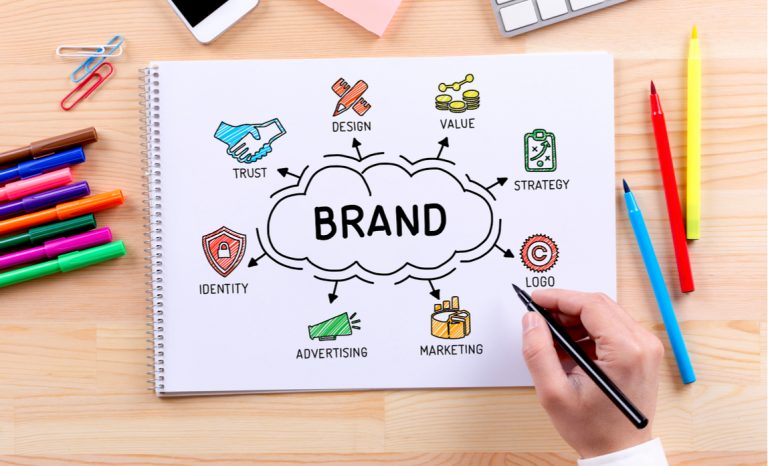
Branding overview | Marketing Donut

Branding Iron Restaurant is deeply committed to enriching the local community in New Castle, PA. Beyond serving delectable meals, the restaurant actively participates in various charitable initiatives and local events, fostering a sense of camaraderie and support among residents. By engaging with the community, Branding Iron not only enhances its local presence but also contributes to the well-being of its neighbors.One significant aspect of Branding Iron’s community involvement is its support of local events and charities.

The restaurant frequently sponsors community gatherings, fundraisers, and seasonal festivals, creating a vibrant atmosphere for both locals and visitors. This participation helps to promote local culture and brings people together for a common cause. Some notable initiatives include:

  • Partnerships with local schools for fundraising events that benefit educational programs.
  • Sponsorship of local sports teams, helping to cultivate young talent and community spirit.
  • Participation in food drives and charity events that support families in need, particularly during the holiday season.

Support for Local Farmers and Suppliers

Branding Iron prides itself on partnering with local farmers and suppliers to ensure that its menu items feature the freshest and most flavorful ingredients. This commitment to sourcing locally not only enhances the quality of the dishes but also supports the regional economy. By collaborating with these local producers, the restaurant reduces its carbon footprint and promotes sustainable practices, furthering its dedication to community welfare.

The impact of these partnerships is evident in the menu, which showcases seasonal ingredients and highlights the best of what the local area has to offer. For instance, by sourcing vegetables directly from nearby farms, Branding Iron can offer dishes that reflect the changing seasons and the unique flavors of the region. This not only enriches the dining experience but also reinforces a strong connection between the restaurant and the community it serves.

“Supporting local farmers ensures our menu remains fresh and flavorful while benefiting our community.”

In conclusion, Branding Iron Restaurant exemplifies how a business can thrive while giving back to its community. Through its engagements and partnerships, it sets a precedent for corporate responsibility that truly resonates with its clientele and the broader New Castle area.

Final Wrap-Up

In conclusion, branding iron new castle pa menu with prices reflects a dedication to quality, flavor, and community engagement. Whether you’re looking for a delightful meal, a special promotion, or a place to celebrate an occasion, Branding Iron promises an exceptional experience that leaves patrons coming back for more.

FAQ Summary

What are the operating hours of Branding Iron?

Branding Iron is open daily from 11 AM to 10 PM.

Do they offer takeout or delivery services?

Yes, Branding Iron provides both takeout and delivery options for customers.

Are reservations required at Branding Iron?

Reservations are recommended, especially during peak hours and weekends, to ensure a table.

Does Branding Iron accommodate large groups?

Yes, Branding Iron can accommodate large groups and offers special menus for events.

Is there a kids’ menu available?

Absolutely! Branding Iron features a dedicated kids’ menu with various options for young diners.

Kicking off with branding iron illinois, this topic reveals the fascinating world of branding irons, exploring their various functions, materials, and historical significance across industries. From agriculture to artisan crafts, these tools have played a crucial role in marking ownership and creating unique products.

This overview delves into the different types of branding irons available in Illinois, comparing electric and manual options, as well as custom designs that cater to local businesses. Understanding how these tools are used can enhance appreciation for their craftsmanship and utility in both personal and commercial settings.

Branding Iron Basics

Branding irons are essential tools used primarily for marking livestock, products, and even certain artisan crafts. They leave a permanent mark, serving various purposes ranging from identification to branding a trademark or logo. Understanding the fundamentals of branding irons includes their primary functions, materials used, and their historical significance across industries.Branding irons are designed to create a distinctive impression by applying heat to a material, usually skin or wood.

The heated end of the iron is pressed against the surface, leaving a lasting mark that can signify ownership or provide branding for a business. This process not only aids in identification but also acts as a deterrent against theft, especially in agriculture. The imprint is often associated with a specific ranch, company, or artisan, enhancing the brand’s visibility and recognition.

Materials Used in Manufacturing Branding Irons

The manufacturing of branding irons typically involves several materials that ensure durability and effectiveness. The choice of material can influence the quality and longevity of the branding process. Common materials include:

  • Steel: The most prevalent material due to its ability to withstand high temperatures and maintain shape.
  • Brass: Used for smaller branding irons, it offers excellent conductivity and is often chosen for its aesthetic appeal.
  • Iron: Traditional branding irons are often made from iron, which can be forged into various shapes and sizes.
  • Aluminum: Lightweight and resistant to corrosion, aluminum branding irons are sometimes utilized for specific applications.

Historical Significance of Branding Irons

Branding irons have played a crucial role throughout history, particularly in industries such as agriculture, manufacturing, and even art. Their significance can be traced back to ancient civilizations where they were used for marking livestock, an essential practice for trade and ownership.The historical context of branding irons extends beyond livestock. In the industrial age, branding became vital for products as companies sought to establish their identity in competitive markets.

A well-branded product could instantly convey quality and trustworthiness. For instance, iconic brands like Coca-Cola and Ford have their roots in effective branding strategies that utilized similar principles of marking and identity.In artisan crafts, branding irons have been used to imprint logos on handmade goods, providing a personal touch that signifies authenticity. This practice continues today, with craftspeople using branding irons to leave their unique mark on jewelry, woodworking, and leather goods.Throughout the years, branding irons have evolved but remain a symbol of identity, quality, and craftsmanship across diverse industries, reflecting the values and heritage of those who use them.

Branding Iron Types

In Illinois, branding irons come in a variety of types, each suited for different applications and preferences. Understanding these types is essential for businesses and individuals looking to make a significant mark, literally and figuratively. From customization options to power sources, the choice of branding iron can influence functionality and effectiveness.There are primarily two types of branding irons available: electric and manual.

Each type has distinct characteristics that cater to different needs and preferences within the branding process.

Electric Branding Irons

Electric branding irons are powered by electricity, providing convenience and consistent heat. These irons are typically faster and easier to use, making them ideal for businesses that require high-volume branding. They can reach optimal temperature quickly, which is particularly advantageous for branding larger batches of items such as livestock or promotional products.

Electric branding irons provide rapid heating and consistent results, reducing the time spent on branding tasks.

Advantages of electric branding irons include:

  • Quick heating times, allowing for immediate use.
  • Consistent temperature control, ensuring uniform branding quality.
  • Less physical effort required, making them user-friendly.

However, there are some disadvantages to consider:

  • Dependence on electrical outlets, limiting portability.
  • Higher initial cost compared to manual options.
  • Possible overheating if not monitored closely.

Manual Branding Irons

Manual branding irons, often heated over an open flame or in a forge, are the traditional choice for branding. These are typically made from solid steel and require physical effort to apply the branding mark. They are highly portable and can be used in various outdoor settings or locations without requiring electricity.

Manual branding irons offer portability and simplicity, making them suitable for diverse environments.

The advantages of manual branding irons include:

  • Portability, allowing for use in remote locations.
  • Lower upfront costs compared to electric options.
  • Durability, as they are often made from solid materials.

On the downside, manual branding irons come with their own set of challenges:

  • Inconsistent heat application, which can lead to varying branding quality.
  • Longer heating times, requiring more preparation.
  • More physical effort needed, which can be a drawback for larger tasks.

Custom Branding Iron Options

Custom branding irons are increasingly popular among businesses in Illinois, allowing for unique branding solutions tailored to specific needs. These irons can be designed to include logos, company names, or other identifying features, ensuring a personalized touch.

Custom branding irons enhance brand identity, making products stand out in the market.

When opting for custom branding irons, businesses should consider:

  • Material choice, as different metals can affect durability and branding quality.
  • Design complexity, with intricate designs possibly requiring more investment.
  • Size and shape, which should align with the intended branding surface.

Local suppliers often offer design services, enabling businesses to collaborate closely on creating the perfect branding iron. This not only strengthens brand presence but also contributes to building customer loyalty through distinctive branding. Companies are encouraged to explore these custom options to differentiate themselves in competitive markets.

Branding Iron Uses

Branding irons serve multiple purposes across various industries. Their versatility extends beyond merely identifying livestock; they play a significant role in artisan crafts and promotional merchandise. Understanding these applications can illustrate the value and functionality of branding irons in different contexts.

Branding Irons in Agriculture and Livestock Management

In the world of agriculture, branding irons are essential for the identification and management of livestock. Farmers and ranchers utilize branding as a method to mark their animals, ensuring that they can easily identify their cattle, horses, or sheep. This identification process helps in preventing theft and in the organization of herds. The branding process typically involves using a heated iron with a specific design, unique to the owner, which is applied to the animal’s skin.

This not only creates a permanent mark but also provides a sense of ownership.

“Branding is an age-old practice that serves both functional and traditional purposes in livestock management.”

The following are some key benefits of using branding irons in livestock management:

  • Ownership Identification: Helps to establish ownership and prevent disputes, particularly in areas with large herds.
  • Health Monitoring: Facilitates easier tracking of vaccination and health records when animals are marked with their brand.
  • Herd Organization: Assists in the organization of different breeds and categories within a farm operation.

Branding Irons in Woodworking and Artisan Crafts

In the woodworking and artisan crafts sectors, branding irons serve as a tool for marking finished products with logos, signatures, or decorative patterns. Craftspeople often use branding irons to add a personal touch and to authenticate their creations. The branding process in woodworking usually involves a heated metal mark that leaves a permanent impression on the wood. This technique not only enhances the aesthetic appeal of the product but also establishes a brand identity.

“A well-placed brand can turn a simple piece of wood into a recognizable work of art.”

Here are several applications of branding irons in woodworking:

  • Product Authentication: Adds a mark of authenticity to handmade items, increasing their perceived value.
  • Custom Designs: Allows artisans to create unique designs or patterns on their products, providing a personalized touch.
  • Enhanced Marketing: Serves as a marketing tool, making items easily identifiable to consumers.

Branding Irons in Promotional Merchandise and Personalized Gifts

Branding irons have found their way into the realm of promotional merchandise and personalized gifts. Businesses utilize branding irons to imprint their logos or messages onto various materials, including leather, metal, and fabric. This not only enhances brand recognition but also adds a unique element to promotional products.The process of branding promotional items involves using a heated branding iron to create a clear and lasting impression, turning everyday items into memorable gifts.

“Personalized branding on gifts fosters a deeper connection between the brand and its customers.”

Key uses of branding irons in promotional merchandise include:

  • Corporate Gifts: Custom-branded items such as notebooks, leather wallets, or keychains that increase brand visibility.
  • Event Merchandise: Items branded with event logos provide lasting mementos for attendees.
  • Custom Orders: Offering customers the option to personalize gifts with their names or special messages increases appeal.

Illinois-Specific Branding Iron Trends

In recent years, the branding iron scene in Illinois has seen a surge of creativity and craftsmanship that reflects both local culture and modern aesthetics. Artisans and businesses are crafting unique designs that resonate with specific communities and industries, showcasing the rich heritage of the state while embracing contemporary practices.As branding becomes an essential part of personal and business identity, various trends are emerging across Illinois.

Local makers are not just sticking to traditional designs; they are innovating with custom logos, intricate motifs, and even eco-friendly materials that cater to the growing demand for sustainability.

Current Design Trends in Illinois

Recent trends in branding iron designs focus on personalization and craftsmanship. There’s a noticeable shift towards bespoke, one-of-a-kind branding irons that allow individuals and businesses to showcase their unique identity. The local artisans often incorporate elements that reflect the essence of Illinois, such as:

  • Heritage Symbols: Many branding irons feature symbols or motifs that represent Illinois’ culture, history, and natural beauty, such as the state bird, the cardinal, or iconic landmarks like the Willis Tower.
  • Custom Logos: Businesses are increasingly opting for personalized branding irons that display their logos. This trend allows for a blend of professional branding with a personal touch, enhancing brand visibility.
  • Eco-Friendly Materials: There’s a growing preference for branding irons made from sustainable materials. Local artisans are utilizing recycled metals and eco-conscious manufacturing processes to develop products that are both stylish and environmentally friendly.

Local Artisans and Businesses Specializing in Branding Irons

Illinois is home to several skilled artisans and small businesses that focus on branding iron production. These local enterprises emphasize craftsmanship and community engagement. Notable examples include:

  • Smith & Sons Branding: Based in Chicago, this family-owned business has been crafting bespoke branding irons for over 20 years, gaining popularity for their attention to detail and personalized service.
  • Rustic Ironworks: Located in Springfield, Rustic Ironworks specializes in custom branding solutions, offering unique designs that reflect local heritage, particularly for restaurants and farms.
  • Chicago Branding Co: This company not only produces branding irons but also provides workshops for aspiring artisans, fostering a community of makers dedicated to the art of branding.

Impact of Local Regulations on Branding Practices

In Illinois, local regulations play a significant role in branding practices, particularly for businesses that choose to apply branding techniques on products such as meat or leather goods. The Illinois Department of Agriculture governs the branding of livestock and food products to ensure consumer safety and product integrity. Important considerations include:

  • Health and Safety Regulations: These laws dictate how and where branding can be applied, especially in agricultural settings, to avoid injury to animals and ensure humane practices.
  • Labeling Requirements: Brands used on products must comply with strict labeling laws, which specify how brands should be displayed, ensuring that consumers are accurately informed about the products they purchase.
  • Permitting Processes: Some businesses may need to obtain permits for certain branding practices, particularly when it comes to commercial use, which ensures that all branding irons meet safety standards.

“The evolution of branding in Illinois illustrates a blend of tradition and innovation, making it an exciting time for artisans and businesses alike.”

Purchasing Branding Irons in Illinois

What Is Brand Identity - vrogue.co

When it comes to acquiring a branding iron in Illinois, there are multiple avenues available that cater to both personal and business needs. Whether you’re a farmer looking to brand livestock or a business owner wanting to mark products, understanding where and how to purchase branding irons can streamline the process significantly. This guide Artikels the best places to buy branding irons, both in-store and online, as well as important factors to consider during your purchasing journey.

Where to Buy Branding Irons

Exploring various options for purchasing branding irons is crucial to ensure you find the right fit for your requirements. Here are some recommended places to consider:

  • Local Farm Supply Stores: Many rural areas in Illinois have farm supply stores that stock branding irons suitable for livestock. These stores often offer a variety of sizes and types, allowing direct comparison.
  • Industrial Supply Stores: For businesses, industrial supply stores like Grainger provide options that can meet more commercial needs. They often have branding irons suitable for various materials.
  • Online Retailers: Websites like Amazon and eBay offer a wide range of branding irons. These platforms often have customer reviews to help gauge product quality.
  • Specialty Manufacturers: Companies that specialize in custom tools and branding equipment, such as Branding Irons Unlimited, provide tailored options directly through their websites.

Considerations When Purchasing a Branding Iron

Making an informed decision when purchasing a branding iron involves several factors. The following points highlight essential aspects to keep in mind:

  • Type of Branding Iron: Choose between electric, propane, or manual options based on your intended use and convenience.
  • Size and Design: Determine the size of the branding iron you need; larger brands may be suitable for livestock, while smaller ones work better for products.
  • Customizability: Many manufacturers offer customization options. Think about what designs or logos you’d like to incorporate.
  • Material Quality: Ensure that the iron is made from durable materials to withstand repeated use without degradation.
  • Shipping and Delivery Times: If ordering online, consider the shipping costs and delivery timelines, especially if you have urgent needs.

Custom Ordering from Local Manufacturers

If you decide to go the custom route for your branding iron, the process can be straightforward when working with local manufacturers. Here is a typical Artikel of the steps involved:

1. Research Local Manufacturers

Start by looking up manufacturers in Illinois that specialize in branding irons. Check their websites for customization options and previous work.

2. Contact for Quotes

Reach out to those manufacturers to discuss your specific needs. Provide details regarding size, design, and material choices.

3. Design Collaboration

Many manufacturers will assist you in creating a design that meets your specifications. They may provide digital mock-ups for approval before production starts.

4. Finalize Order

Once the design is approved, finalize the order, including payment and any necessary documentation.

5. Production and Delivery

The manufacturer will then produce your branding iron, followed by shipping it to your location.By following these steps and considering all factors involved, purchasing a branding iron in Illinois can be a seamless experience, tailored to meet your specific requirements.

Maintenance and Care

Proper maintenance and care of branding irons is essential for ensuring their longevity and effectiveness. Regular upkeep not only keeps the irons in optimal condition but also guarantees the quality of the branding process. By following a few best practices for cleaning and storing branding irons, you can extend their lifespan and maintain their performance.

Best Practices for Maintaining and Cleaning Branding Irons

Keeping branding irons clean and well-maintained is crucial for achieving precise results. The following steps Artikel effective methods for maintenance:

  • Regular Cleaning: After each use, ensure that the branding iron is cleaned thoroughly. Use a wire brush or scraper to remove any residue or burnt material from the surface. A damp cloth can also help wipe away dirt. Avoid using abrasive materials that could scratch the metal.
  • Rust Prevention: After cleaning, apply a light coating of machine oil to the iron to prevent rust formation. Choose an oil that is safe for metal and can withstand high temperatures.
  • Heat Checks: Periodically, check the branding iron for any signs of damage or wear, especially on the heating element. A damaged element can lead to uneven heating, affecting branding quality.

Step-by-Step Procedure for Safely Storing Branding Irons

Storing branding irons properly is vital to protect them from damage and deterioration. Follow these steps for safe storage:

  • Cool Down: Allow the branding iron to cool completely after use before handling it for storage. This prevents burns and ensures that the iron is safe to touch.
  • Clean and Dry: Clean the iron as previously mentioned, ensuring it is completely dry before storage to avoid rust.
  • Use Protective Covers: Consider using heat-resistant covers for individual branding irons. This protects from dust and accidental bumps that could cause damage.
  • Store in a Climate-Controlled Environment: Keep branding irons in a dry, climate-controlled area to minimize exposure to moisture and temperature fluctuations, which can lead to rust.

Common Issues with Branding Irons and Troubleshooting

Branding irons may occasionally encounter issues during use, affecting their efficiency and performance. Understanding these common problems and how to troubleshoot them can save time and resources.

  • Uneven Heating: If the branding iron heats unevenly, check the heating element for proper connections and inspect for any damage. Ensure that the power supply is consistent.
  • Flaking or Peeling Paint: If the branding design starts to flake or peel, it may be due to overheating or using the iron on unsuitable materials. Adjust the heat settings or switch to appropriate branding surfaces.
  • Difficulty in Branding: If the design isn’t transferring properly, ensure the surface is clean and free of obstructions. Additionally, check that the iron is adequately heated before use.

Regular maintenance and proper storage of branding irons not only enhances their performance but also extends their life, ensuring reliable results for every branding project.

Branding Iron Safety

Using branding irons can be an essential part of various industries, from agriculture to craftsmanship. However, ensuring safety while using these tools is paramount to prevent accidents and injuries. This section will cover vital safety precautions, first-aid measures for burns, and the significance of responsible branding iron usage in the community.

Safety Precautions While Using Branding Irons

Before engaging in any branding activity, it’s crucial to observe specific safety precautions to minimize risks. Here are fundamental safety measures to keep in mind:

  • Always wear protective gear, including heat-resistant gloves and safety goggles, to shield yourself from burns and splashes.
  • Keep a fire extinguisher nearby to address any unexpected fire outbreaks.
  • Work in a well-ventilated area to avoid inhaling fumes from heated materials.
  • Ensure the branding iron is placed on a stable, heat-resistant surface when not in use to prevent accidental contact.
  • Never leave a heated branding iron unattended, as it poses a significant fire risk.

First-Aid Measures for Burns Caused by Branding Irons

Burns are a common hazard when using branding irons, and knowing how to respond promptly is crucial. Immediate first-aid measures can significantly minimize injury severity. The following steps should be taken in case of a branding iron burn:

  • Cool the burn under running cool water for at least 10-20 minutes to reduce skin temperature and soothe pain.
  • Cover the burn with a sterile, non-stick bandage to protect it from infection.
  • Do not apply ice directly to the burn, as it can worsen the injury.
  • If blisters form, do not pop them, as this can lead to infection.
  • Seek medical attention if the burn is severe, covers a large area, or shows signs of infection, such as increased redness or pus.

Importance of Responsible Use in the Community

Using branding irons responsibly is vital not only for personal safety but also for the well-being of the community. Unsafe practices can lead to accidents that affect others, such as fires or injuries. It is essential to promote awareness and educate users about safe handling and usage. Responsible branding includes:

  • Participating in safety workshops to learn proper techniques and first-aid responses.
  • Sharing knowledge about safe working conditions and best practices with peers.
  • Encouraging a culture of safety within groups and organizations that utilize branding irons, ensuring everyone understands the risks involved.

“Safety is not just a priority; it’s a responsibility every branding iron user must uphold.”

Ultimate Conclusion

In summary, the discussion around branding iron illinois showcases not only their practical applications but also their cultural relevance within the state. Whether for livestock management, woodworking, or promotional items, branding irons continue to serve as an essential tool for identity and artistry in Illinois.

Query Resolution

What is a branding iron used for?

A branding iron is primarily used to mark livestock, products, or promotional items with a specific logo or design.

Where can I buy a branding iron in Illinois?

You can purchase branding irons at local hardware stores, specialty shops, or online retailers that cater to custom orders.

Are electric branding irons better than manual ones?

Electric branding irons offer convenience and consistent heat, while manual ones provide more control, making each suitable for different needs.

How do I maintain my branding iron?

To maintain a branding iron, clean it after each use, store it in a dry place, and inspect it regularly for any signs of wear.

What safety precautions should I take when using a branding iron?

Always wear protective gloves and eyewear, ensure the work area is clear, and keep a first aid kit nearby in case of burns.

Branding iron dimensions are not just numbers; they play a pivotal role in how effectively a brand can communicate its identity. The size and shape of a branding iron can significantly influence the quality of the branding, impacting visibility and recognition across various materials. Understanding these dimensions can help businesses choose the right tools to elevate their branding efforts.

From livestock to craft industries, the standard dimensions of branding irons vary, reflecting the unique needs of each sector. This guide delves into the importance of these dimensions, the customization options available, and how different materials can affect branding outcomes.

Importance of Branding Iron Dimensions

The dimensions of a branding iron play a critical role in its effectiveness and the quality of branding it produces. Choosing the right size can significantly impact not only the final product but also how the brand is perceived by customers and clients. Understanding these dimensions is essential for achieving the desired branding outcomes.The size of a branding iron directly influences the clarity and detail of the mark it leaves.

A larger branding iron may provide a bolder impression, making it more visible from a distance, whereas a smaller one allows for intricate designs and finer details. However, if the iron is too large for the surface being branded, it can lead to uneven application, distorting the brand image. Additionally, the dimensions can affect the temperature distribution across the iron, as larger surfaces may require more time to heat evenly.

Impact on Branding Quality

The quality of branding is closely linked to the dimensions of the iron being used. When considering the branding process, it’s vital to ensure the size is appropriate for the item being branded. The following points illustrate this relationship:

  • The depth of the branding can be influenced by the iron’s size; larger irons may create deeper impressions, while smaller ones can yield more superficial markings.
  • Precision is key; smaller branding irons can create detailed logos or text, ensuring brand identity is well represented.
  • Inconsistent heating can lead to poor branding results; dimensions must be selected to match the material being branded to allow for even heat distribution.

The correlation between branding iron dimensions and brand visibility is significant. A well-sized branding iron can enhance the presence of a brand on various products, ensuring it stands out in a competitive market.

“The right dimensions enable a brand to capture attention and communicate its message effectively.”

Properly sized branding irons contribute to increased brand recognition, as those who see a clear and impactful brand mark are more likely to remember it. For example, a handmade furniture company using larger branding irons can leave a bold, easily recognizable mark on their pieces, making their products stand out to potential customers. In conclusion, carefully selecting branding iron dimensions is not just a matter of aesthetics; it is essential for achieving high-quality branding that enhances brand visibility and recognition in the marketplace.

Standard Dimensions for Branding Irons

Branding irons come in a variety of dimensions tailored to meet the specific needs of different industries. Understanding these standard dimensions is crucial for ensuring that the branding process is efficient and effective, whether it’s for marking livestock or creating unique crafts.Various industries utilize branding irons of differing sizes to achieve their branding goals. In agriculture, for example, branding irons must be large enough to be clearly visible on livestock, while in the craft sector, smaller dimensions are often preferred for delicate designs.

Below are some common sizes and applications:

Common Sizes for Branding Irons

In the livestock industry, branding irons typically have dimensions that allow for clear visibility on large animals. Common sizes include:

  • 3″ x 4″ – Often used for cattle and horses, this size provides a bold mark that is easily identifiable from a distance.
  • 2″ x 3″ – Suitable for smaller livestock like goats or sheep, ensuring the brand remains visible without taking up too much space.
  • 1.5″ x 2.5″ – Useful for branding smaller animals or for specific designs that require more intricate details.

Conversely, in the craft industry, branding irons are more compact, allowing artisans to create refined and detailed designs. Typical dimensions include:

  • 1″ x 2″ – Commonly used for woodwork and leather goods, enabling detailed branding on smaller items.
  • 0.5″ x 1.5″ – Ideal for personalizing small keepsakes or mixed media projects.
  • 2″ x 2″ – Allows for a moderate size that balances visibility with detail in craft applications.

The type of branding iron also influences its size and dimensions. Electric branding irons tend to be more compact and easier to control, leading to smaller dimensions. Traditional branding irons, on the other hand, are often larger and can accommodate more substantial designs.

Variations Based on Branding Iron Types

Electric branding irons typically feature dimensions designed for more precise applications, such as:

  • 1″ x 2″ – Allows for intricate designs with fine details suitable for customized items.
  • 2″ x 3″ – A popular choice for makers looking to create a noticeable brand without overwhelming the product.

Traditional branding irons often have larger dimensions, including:

  • 3″ x 4″ – This size is favored for livestock branding to ensure clarity and recognition from a distance.
  • 2.5″ x 2.5″ – Provides a strong, distinctive mark that remains legible over time.

Understanding the standard dimensions for branding irons and how they vary across industries and types helps in selecting the right tool for the job, ultimately enhancing the branding process and the effectiveness of the brand mark.

Customizing Branding Iron Dimensions

Custom branding irons can provide a unique touch to your products, allowing businesses to set themselves apart in a competitive market. The process of creating custom-sized branding irons involves careful consideration of both the design and the functionality to ensure that your branding is effectively showcased.When designing a custom branding iron, several factors come into play. First and foremost is the intended use of the branding iron.

Different materials, such as leather, wood, or metal, will require different dimensions to achieve optimal results. The size of the branding iron must also align with the size of the product being branded. A large branding iron may overwhelm a small item, whereas a small branding iron may be ineffective on larger products. Additionally, the complexity of the design will affect the size, as intricate designs require more space to ensure clarity and legibility.

Factors for Selecting Dimensions for Custom Branding Irons

Selecting the right dimensions for a custom branding iron is crucial for effective branding. Here are some key factors to consider:

  • Product Size: The dimensions of the item you’re branding should dictate the branding iron size. A larger branding iron may be needed for furniture, while smaller ones are suitable for accessories.
  • Design Complexity: Intricate designs require more surface area to maintain clarity. Ensure that the dimensions allow for detailed work without losing visibility.
  • Material Type: Different materials may require different heat levels or branding pressures. This can influence the dimensions of the branding iron as well as its shape to effectively transfer the logo.
  • Branding Area: Consider the area available on your product for branding. Make sure the branding iron fits well within this space without interfering with other elements.
  • Ergonomics: The handle and overall design should be comfortable to use. This may affect the overall proportions of the branding iron.

Brands across various industries have successfully customized their branding irons to align with their product lines. For example, a premium leather goods manufacturer might opt for a larger branding iron featuring an elaborate logo that covers a significant area of the product to emphasize quality. This contrast is evident in brands like Saddleback Leather, which uses branding irons that not only reflect their industrial aesthetic but also clearly showcase their logo on leather items.In contrast, a small artisan chocolate company may choose a more delicate branding iron that imprints a subtle logo on their chocolate bars, maintaining the elegance of the packaging while still reinforcing their brand identity.

This thoughtful approach to custom dimensions allows these brands to create a lasting impression while ensuring that their branding is visible and effective.

Material and Its Impact on Dimensions

Viral Design Collection: What’s the difference between Brand, Branding ...

When selecting a branding iron, the choice of material is just as crucial as the dimensions themselves. Different materials not only influence the durability and longevity of the branding iron but also have a significant impact on how effectively they transfer heat and create clear, lasting marks. Understanding these nuances can help users make informed decisions tailored to their specific branding needs.The choice of material for branding irons typically includes options such as steel, brass, copper, and aluminum.

Each of these materials has distinct thermal properties that can dictate the branding iron’s performance and the resulting dimensions. For instance, a branding iron made from steel may require different dimensions compared to one made of brass due to variations in heat retention and conductivity.

Thermal Properties of Various Materials

The thermal properties of the materials used in branding irons play a crucial role in determining their effectiveness. Here’s how different materials measure up:

  • Steel: Known for its high durability and excellent heat retention, steel branding irons typically require a longer heating time but can produce a very deep and clear imprint. The thickness of the steel can affect how quickly it reaches the desired branding temperature.
  • Brass: Brass conducts heat well and heats up quickly, making it ideal for detailed designs. Its lightweight nature allows for more intricate dimensions without compromising on strength.
  • Copper: Copper branding irons are highly efficient in heat conduction, allowing for rapid heating. However, they can be prone to warping if not properly cared for, which may necessitate thicker dimensions to maintain structural integrity.
  • Aluminum: Lightweight and relatively inexpensive, aluminum branding irons can reach high temperatures quickly but may not hold heat as effectively as steel or brass. This can affect the necessary dimensions for achieving a clear branding mark.

Comparatively, the durability of branding irons made from these materials at similar dimensions can vary significantly. For instance, a steel branding iron, while potentially heavier, can withstand repeated use without deforming. In contrast, an aluminum branding iron might be less durable and require more frequent replacement, leading to additional costs in the long run.

“Choosing the right material for your branding iron can be the difference between a crisp imprint and a faded mark.”

Taking these factors into account, it becomes evident that the dimensions of branding irons must be carefully matched with the properties of the material to ensure optimal performance. Selecting the appropriate combination can enhance branding results and extend the life of the tool.

Measuring Branding Iron Dimensions

Accurately measuring the dimensions of a branding iron is crucial for achieving the desired branding results. Whether you’re creating custom branding irons or working with standard sizes, precise measurements ensure that your branding is clear, consistent, and effective. In this section, we’ll explore the tools and methods needed for accurate measurements and provide a step-by-step procedure.

Tools and Methods for Measuring Branding Iron Dimensions

To ensure precision when measuring branding irons, it’s essential to use the right tools and methods. Common tools include calipers, tape measures, and micrometers. Each tool has its own advantages; calipers provide high accuracy for small dimensions, while tape measures are excellent for larger branding irons.The measuring process can be broken down into three main dimensions: height, width, and depth.

The following steps will guide you through accurately measuring each of these dimensions.

Step-by-Step Procedure for Measuring Dimensions

Measuring the height, width, and depth of a branding iron involves a straightforward process. Here’s a detailed procedure to follow:

1. Gather Your Tools

Collect a caliper for precise measurements, a tape measure for broader dimensions, and a ruler if necessary.

2. Prepare the Branding Iron

Ensure the branding iron is clean and free from debris that could affect measurements.

3. Measure the Height

Use a caliper to measure from the base to the highest point of the branding iron.

Ensure the caliper’s jaws are firmly gripping the surface when you take the measurement.

4. Measure the Width

Position the caliper or tape measure across the widest part of the branding iron.

Again, ensure that the tool is aligned correctly to avoid any inaccuracies.

5. Measure the Depth

Measure the thickness of the branding iron using the caliper, ensuring that it is perpendicular to the surface to get an accurate reading.

This systematic approach allows for accurate and consistent measurements of your branding iron dimensions.

Common Mistakes to Avoid When Measuring Dimensions

Accuracy in measurement is paramount, and avoiding common mistakes can help ensure that your branding iron dimensions are correct. Here are some pitfalls to watch out for:

Misalignment

Always ensure that your measuring tool is aligned correctly with the surface. Misalignment can lead to significant discrepancies in measurements.

Not Zeroing Tools

Before taking measurements with calipers or micrometers, make sure they are zeroed out. Failing to do so may result in inaccurate readings.

Ignoring the Measurement Unit

Be consistent with measurement units (inches vs. millimeters) to avoid confusion. Always convert to one unit if necessary before making calculations.

Rushing the Process

Take your time to double-check all measurements. Rushing can lead to mistakes that may not be easily identified later.By being aware of these common mistakes, you can enhance the accuracy of your branding iron measurements and ensure successful outcomes in your branding projects.

Practical Applications of Branding Iron Dimensions

Branding irons are versatile tools used across various industries, serving both functional and aesthetic purposes. Understanding the dimensions of branding irons is crucial for achieving optimal results in branding applications, as different materials and industries require specific size and shape considerations to ensure clear and lasting impressions.Different industries utilize branding irons, each with its own unique dimension requirements tailored to the materials being branded.

The choice of dimensions can significantly impact the effectiveness of branding, as it influences the quality of the mark, the ease of application, and the longevity of the branding itself.

Industries Utilizing Branding Irons

Various sectors make use of branding irons, and each has particular dimension needs based on material type and branding goals. Here are some notable industries and their specific requirements:

  • Woodworking: In woodworking, branding irons typically range from 2 to 4 inches in size. This dimension ensures that the brand is clearly visible on lumber, furniture, or crafted goods, helping artisans to mark their creations uniquely.
  • Leather Goods: Leather branding irons often measure around 1 to 3 inches. Smaller dimensions are preferred to prevent damaging the material while still creating a striking brand impression on items like wallets, bags, and belts.
  • Food and Beverage: For branding food products, such as meat or cheese, irons can vary from 1 to 3 inches. The dimensions must be carefully chosen to maintain the integrity of the food while ensuring the brand is legible and appealing.
  • Textiles: In the textile industry, branding irons are usually about 1 to 2 inches in size. This allows for clear branding on fabrics without overwhelming the item’s design.

Impact of Dimensions on Branding Applications

The dimensions of a branding iron can greatly affect the application process and the resulting quality of the brand across different materials. Each type of material responds differently to heat, pressure, and size, which can influence the outcome of the branding.

The right dimensions not only enhance visibility but also ensure that the branding process does not damage the material.

For instance, when branding wood, the dimension of the branding iron must ensure that the heat penetrates adequately to leave a deep, lasting impression without burning the surface. In contrast, branding on leather requires careful handling of dimensions to avoid cutting through the material, which could lead to tears or an uneven surface.

Comparison of Branding Outcomes

The effectiveness of branding can be analyzed through a comparative table that showcases how different dimensions perform across selected applications. Below is a table that summarizes these outcomes:

Material Dimensions (inches) Branding Quality
Wood 2-4 Deep, clear impression with minimal burns
Leather 1-3 Sharp image without damaging the leather
Food 1-3 Legible brand without affecting taste or texture
Textiles 1-2 Clear branding that maintains fabric integrity

Trends in Branding Iron Sizes

As the world of branding evolves, so do the dimensions and sizes of branding irons. Current trends reflect a shift towards customization, where dimensions are tailored to meet the unique needs and preferences of businesses and artisans alike. This customization is not merely about aesthetics; it’s also about enhancing functionality and ensuring that brands stand out in a competitive marketplace.The demand for branding irons of various sizes is influenced significantly by consumer preferences and market trends.

Many brands are opting for smaller, more intricate designs that can capture detailed logos or messages. Larger branding irons are also popular among businesses that prioritize visibility, allowing for bold and striking impressions on their products. This phenomenon indicates a growing recognition of the importance of branding in establishing a company’s identity.

Key Influences on Branding Iron Sizes

Several factors contribute to the trends in branding iron sizes, reflecting the changing landscape of branding techniques and consumer expectations.

  • Customization Demand: Brands are increasingly seeking unique branding irons that reflect their individual identities, with dimensions tailored to specific product lines. Customized sizes are gaining popularity, allowing for greater creative expression.
  • Consumer Preferences: Today’s consumers favor brands that are authentic and personal. This has led to an increase in smaller branding irons that can create intricate designs, catering to a more discerning clientele.
  • Innovative Techniques: Techniques such as heat branding require specific dimensions to ensure the quality and depth of the branding. For example, some brands are utilizing thinner branding irons to achieve delicate designs on leather goods.
  • Environmental Considerations: As sustainability becomes more important, many brands opt for compact branding irons that require less material and energy in production, aligning with eco-friendly practices.

Emerging technologies also play a crucial role in shaping the dimensions of branding irons. Laser branding, for instance, allows for a high level of precision, enabling the creation of unique shapes and sizes that were previously unattainable with traditional methods.

“The right branding iron dimensions can significantly enhance brand visibility and perception.”

As consumer preferences continue to evolve, businesses must remain agile, adapting their branding strategies to incorporate these trends. Adopting innovative branding techniques that utilize unique dimensions can be a game changer for brands looking to make a lasting impression.

Last Recap

In summary, grasping the nuances of branding iron dimensions is essential for any brand looking to make its mark. Whether you’re considering standard sizes or custom options, the right dimensions can enhance your branding’s effectiveness and visibility. As trends evolve, staying informed about these aspects ensures your branding remains relevant and impactful.

Quick FAQs

What are the standard sizes for branding irons?

Standard sizes typically range from 1 inch to 4 inches in height, with variations depending on industry needs.

Can I customize the dimensions of my branding iron?

Yes, many manufacturers offer customization options to meet specific branding requirements.

How do I measure branding iron dimensions accurately?

You can use calipers or a ruler to measure the height, width, and depth carefully, ensuring precise dimensions.

What materials are commonly used for branding irons?

Branding irons are often made from steel, brass, or aluminum, each affecting the branding process differently.

How do dimensions affect branding quality?

Dimensions can influence the clarity and depth of the branding, impacting how well the brand is perceived on various materials.

branding zoom webinar is not just a buzzword; it’s a pivotal cornerstone in crafting memorable online experiences. This session promises to unravel the intricacies of how effective branding can transform a standard webinar into an engaging and impactful event. From enhancing audience perception to ensuring a cohesive brand identity, we will explore the significance of branding in the digital space.

In our discussion, we’ll delve into the essential elements that contribute to effective branding in webinars, the tools available to create branded content, and real-life case studies showcasing successful implementations. Prepare to discover strategies that not only captivate your audience but also resonate with your brand’s values.

Importance of Branding in Webinars

Branding plays a crucial role in the success of webinars, elevating the overall experience for both hosts and attendees. A well-defined brand not only enhances recognition but also fosters trust and engagement, making it essential to integrate branding effectively throughout the webinar process.A strong brand identity significantly influences how attendees perceive the content and the message being delivered. When participants recognize a brand, it creates an immediate connection and establishes credibility, increasing their likelihood of engagement.

This perception can lead to more active participation, as viewers are more inclined to interact with content from a brand they trust and admire.

Role of Branding in Enhancing Engagement

The connection between branding and engagement in webinars cannot be overstated. A well-branded webinar can capture attention and sustain interest, making the overall experience more enjoyable and informative. Here are key factors illustrating the impact of branding on engagement:

  • Visual Consistency: Utilizing consistent colors, fonts, and logos throughout the presentation reinforces brand identity, helping attendees recognize and remember the brand.
  • Emotional Connection: Strong branding evokes emotions that can lead to a deeper connection with the audience, making them more likely to participate and share their thoughts.
  • Professionalism: A polished and professional presentation reflects the brand’s values, encouraging attendees to view the content as credible and worth their time.

Influence of Strong Brand Identity on Attendee Perception

A robust brand identity shapes attendee perception in various ways, affecting their overall experience and takeaway from the webinar. The following points highlight the influence of brand identity:

  • Trustworthiness: Brands with a clear identity are perceived as more reliable and trustworthy, which can decrease skepticism about the information shared.
  • Memorability: A distinctive brand identity makes the webinar more memorable, increasing the chances that attendees will recall the information presented long after the event.
  • Reputation: Established brands benefit from their reputation, leading attendees to assume the content will be valuable, thereby enhancing their engagement level.

Benefits of Consistent Branding During Webinars

Consistent branding throughout the webinar fosters a seamless experience, making it easier for attendees to engage and absorb information. The benefits of maintaining consistent branding include:

  • Enhanced Recognition: Repeated exposure to branding elements helps reinforce recognition, ensuring that the brand stays at the forefront of attendees’ minds.
  • Improved Interaction: Consistency in branding leads to better audience interaction, as attendees feel more comfortable and familiar with the content and presentation style.
  • Strengthened Loyalty: A cohesive branding experience can cultivate a sense of loyalty among attendees, making them more likely to attend future webinars and recommend the brand to others.

Elements of Effective Branding for Webinars

In the world of webinars, effective branding is crucial to creating a memorable experience for participants. It sets the tone, establishes trust, and communicates the essence of your organization. Incorporating key branding components can significantly elevate the impact of your webinar, ensuring that your message resonates with your audience long after the event concludes.To effectively brand a webinar, several core elements must be taken into account.

These components not only help in distinguishing your presentation but also in creating a cohesive experience that aligns with your brand’s identity. Successful branding strategies can enhance engagement and retention, making your webinars more impactful.

Key Components of Branding in Webinars

There are essential elements that should be integrated into every webinar presentation to enhance branding. These include:

  • Visual Identity: Utilize consistent colors, fonts, and logos throughout your slides and promotional materials. For example, HubSpot effectively uses its signature orange and clear typography in its webinars, helping maintain brand recognition.
  • Brand Voice: Establish a tone that reflects your brand’s personality. A more casual approach might work for a creative agency, while a professional tone is better suited for financial institutions.
  • Quality Content: Ensure that the content is relevant, valuable, and aligned with your brand’s mission. For instance, Adobe webinars often focus on creative tools and industry trends, showcasing their expertise and commitment to innovation.
  • Engagement Tools: Incorporate polls, Q&A sessions, and chat features that encourage participation. This not only keeps the audience engaged but also reflects a brand that values interaction, similar to how Salesforce integrates interactive segments in their webinars.
  • Follow-Up Communication: After the webinar, send out emails that include branded materials, such as summaries and recordings. This reinforces the brand message and keeps the audience engaged beyond the webinar itself.

Examples of Successful Branding Strategies

Various organizations have demonstrated effective branding strategies through their webinar platforms. A prime example is Cisco, which uses high-quality production values and expert speakers to reinforce its position as a leader in technology. Their webinars incorporate rich visuals and consistent branding, making them both informative and visually appealing.Another example is Microsoft, which frequently hosts webinars to showcase their software solutions.

They create a seamless experience by integrating their products into demo sessions, highlighting their usability while aligning with their branding of innovation and efficiency.

Checklist for Essential Branding Elements

To ensure that your webinar is effectively branded, consider the following checklist of essential elements:

  • Consistent use of brand colors and logos across all materials
  • Clear definition of brand voice and tone in scripts and presentations
  • High-quality and relevant content curated for the target audience
  • Incorporation of interactive elements to engage the audience
  • Professional follow-up emails with branded content post-webinar

Utilizing this checklist will help streamline the branding process, ensuring that each webinar not only communicates your message but also strengthens your brand identity.

“Effective branding in webinars is not just about visibility; it’s about creating a memorable experience that resonates and builds trust.”

Tools and Techniques for Branding in Zoom Webinars

Creating a strong brand presence during a Zoom webinar is essential for engaging your audience and making a lasting impression. With the right tools and techniques, you can elevate your webinar’s branding, ensuring it reflects your organization’s identity and message effectively. This section will introduce the top tools for branded content creation, highlight Zoom features that enhance branding, and provide a step-by-step guide to integrating branding elements into your webinars.

Top Tools for Creating Branded Webinar Content

Utilizing the right tools can significantly enhance the quality and effectiveness of your branded content. Here are some of the top tools that can help you design visually appealing and cohesive webinar materials:

  • Canva: A versatile graphic design tool perfect for creating eye-catching presentations, social media graphics, and promotional materials tailored to your brand.
  • Prezi: A dynamic presentation tool that allows for non-linear storytelling, making your webinars more engaging and visually appealing.
  • Adobe Creative Suite: A comprehensive suite offering tools like Photoshop and Illustrator for advanced branding projects, including custom graphics and logos.
  • SlideShare: A platform to share your branded presentations and documents, increasing your reach and enhancing your brand visibility post-webinar.

Using Zoom Features to Enhance Branding

Zoom provides various features to enhance your branding during webinars, allowing you to create a professional and consistent experience for your audience. Here’s how you can leverage these features:

1. Custom Backgrounds

Upload branded virtual backgrounds that reflect your company’s colors and logo, providing a cohesive look throughout the webinar.

2. Branded Webinar Registration Pages

Customize the registration page with your logo, brand colors, and promotional text to ensure attendees recognize your brand before they even join.

3. Polls and Q&A

Use branded polls and Q&A segments to maintain engagement and gather feedback while subtly reinforcing your brand’s messaging.

4. Webinar Branding Features

Utilize options like custom email invitations and reminders to reinforce your brand identity during all phases of the webinar.

Integrating Branding Elements into Zoom Webinars

Incorporating branding into your Zoom webinars requires a structured approach to ensure consistency and clarity. Follow these steps for effective integration:

1. Define Your Brand Elements

Identify your brand colors, fonts, and logos to maintain a consistent visual identity throughout the webinar.

2. Create Branded Templates

Use tools like Canva or Adobe Creative Suite to design templates for slides, registration pages, and promotional materials featuring your brand elements.

3. Set Up Zoom Customization

Log into your Zoom account and navigate to the Webinar section.

Update the webinar settings to include your branding elements, such as logos on the registration page and custom background images.

4. Conduct a Branding Check

Before your webinar, review all materials to ensure branding elements are correctly placed and consistent across all platforms.

5. Engage Your Audience with Branding

Throughout the webinar, reference your brand’s values and key messages, ensuring they resonate with your audience while keeping the focus on valuable content.By following these tools and techniques, you can effectively brand your Zoom webinars, leaving a lasting impression on your audience and reinforcing your brand’s identity.

Case Studies of Successful Branded Webinars

Branding Decision and its Crucial Role in Marketing | MBA TUTS

Many brands have successfully utilized webinars as a strategic tool for branding and engagement. These webinars not only serve to present valuable information but also effectively reinforce brand identity. They provide an interactive platform that can resonate well with audiences, build trust, and ultimately drive business objectives. By analyzing notable examples, we can glean insights into successful branding strategies executed during webinars.

Notable Examples of Successful Branded Webinars

Several brands stand out for their exemplary execution of webinars that enhance their identity and connect with their target audience. Following are some of the brands that have effectively integrated branding into their webinars:

  • HubSpot: HubSpot is renowned for its inbound marketing expertise. Their webinars focus on delivering actionable insights while consistently reflecting their brand values of growth and education. The use of their signature colors, logo, and engaging visuals keeps the branding intact throughout the session.
  • Adobe: Adobe hosts webinars that showcase their products while educating users about creative processes. They employ product demonstrations seamlessly within the context of the webinar, ensuring their branding is prominent. Engaging storytelling illustrates their brand’s creative ethos, resonating with the audience.
  • Mailchimp: Known for its email marketing tools, Mailchimp’s webinars are designed to help users maximize their marketing efforts. Their quirky and friendly branding style is evident in the content delivery, visuals, and tone. This approach keeps the audience engaged and reinforces their brand personality.

Strategies for Maintaining Brand Identity

Successful webinars incorporate specific strategies to ensure brand identity is consistently represented. These strategies include:

  • Visual Consistency: Utilizing consistent visual elements such as color schemes, logos, and font styles throughout the presentation helps reinforce brand recognition.
  • Unique Voice and Tone: Establishing a distinct voice and tone that aligns with the brand persona helps to create a relatable and engaging experience.
  • Relevant Content: Tailoring the webinar content to align with the brand’s core values and mission ensures that the messaging resonates with the target audience.
  • Engaging Storytelling: Using storytelling techniques to convey messages can make the content more memorable and relatable, further solidifying the branding.

Outcomes and Lessons Learned from Branded Webinars

The outcomes of these branded webinars often extend beyond immediate engagement. Brands like HubSpot and Adobe report increased customer loyalty and enhanced visibility in their respective markets.

Brand Outcome Lessons Learned
HubSpot Increased lead generation and customer engagement Sustaining audience interest through interaction and feedback is crucial.
Adobe Higher product adoption rates Demonstrating product value in real-time is effective for user education.
Mailchimp Strengthened brand loyalty and community building Maintaining a friendly and approachable tone encourages audience participation.

Successful branded webinars create memorable experiences that elevate brand identity and drive meaningful connections with audiences.

Measuring the Impact of Branding in Webinars

Measuring the effectiveness of branding during webinars is crucial to ensure that your efforts resonate with attendees and drive engagement. By employing specific metrics, you can gain insights into how branding influences participant behavior and perception. Evaluating these metrics allows for strategic adjustments in future webinars, ensuring branding remains impactful and relevant.To effectively evaluate branding effectiveness, consider these key metrics that provide a comprehensive view of attendee engagement and perception during the webinar:

Metrics for Evaluating Branding Effectiveness

Employing the right metrics helps determine the success of branding efforts in webinars. The following metrics are instrumental in understanding branding impact:

  • Brand Recall: Measure how many attendees can remember your brand after the webinar through post-event surveys.
  • Engagement Rate: Analyze the level of interaction participants have with branded elements, gauging participation in polls, Q&A, and chat discussions.
  • Social Media Mentions: Track the volume and sentiment of social media mentions related to your brand during and after the webinar.
  • Net Promoter Score (NPS): This score indicates how likely attendees are to recommend your brand or future webinars to others.
  • Conversion Rate: Evaluate the percentage of attendees who take desired actions, such as signing up for a newsletter or purchasing a product post-webinar.

Framework for Analyzing Attendee Feedback

An effective framework for analyzing attendee feedback related to branding can provide valuable insights. This framework should be systematic and involve gathering qualitative and quantitative data.Begin by collecting feedback through a variety of channels. Post-webinar surveys can include both multiple-choice questions and open-ended responses to capture a wide range of opinions. Organize feedback into categories such as brand perception, content relevance, and overall experience.

To systematically analyze this feedback, use a scoring system where attendees can rate aspects of the branding on a scale of 1 to 5. Aggregate the scores to identify trends, and highlight comments that exemplify attendee sentiments. Additionally, consider conducting follow-up interviews with a select sample of attendees to dive deeper into specific qualitative insights. This mix of data will help in refining branding strategies for future webinars.

Tracking Engagement Levels Influenced by Branding Elements

Tracking engagement levels associated with branding elements can reveal how effectively they are capturing audience attention. Here are key methods to accomplish this:

1. Heatmaps

Utilize analytics tools that provide heatmaps showcasing areas of high interaction during the webinar. This can highlight which branded visuals or elements draw the most attention.

2. Polling and Surveys During the Webinar

Implement real-time polling that includes questions about branding perceptions. This not only tracks engagement but also provides immediate feedback.

3. Chat Engagement Analysis

Monitor the chat during the webinar for mentions of your brand or branded content. Tools that analyze chat engagement can help pinpoint which branding strategies resonate best with participants.

4. Follow-Up Surveys

After the webinar, send follow-up surveys to assess which branding elements influenced their experience. Ask specific questions related to brand recognition, perceived value, and overall satisfaction.By employing these methods, you can gain a clearer picture of how branding impacts attendee engagement and make informed decisions for future webinars. Each of these strategies plays a vital role in understanding the connection between branding and audience response, ultimately enhancing your webinar’s effectiveness.

Best Practices for Branding in Future Webinars

In the ever-evolving landscape of online presentations, maintaining a consistent and engaging brand image is crucial for the success of future webinars. Establishing brand consistency not only reinforces your identity but also enhances recognition and trust among participants. This section Artikels best practices that will help you refine your branding efforts for upcoming webinars.

Guidelines for Maintaining Brand Consistency

Ensuring that your brand is consistently represented across multiple webinars is essential for creating a cohesive experience for your audience. This includes visual aspects, messaging, and overall delivery. Here are key practices to follow:

  • Use a Unified Visual Identity: Always use the same logo, color palette, and font styles across all presentations and materials. This creates a strong visual connection.
  • Standardize Messaging: Develop key messages that reflect your brand values and use them consistently in your webinar promotions and scripts.
  • Consistent Format: Maintain a similar format for each webinar, including title slides, intro/outro sequences, and transitions. This helps set expectations for your audience.
  • Engagement Techniques: Utilize the same interactive elements, such as polls and Q&A sessions, across webinars to create familiarity.

Innovative Ideas for Evolving Branding Strategies

Your branding strategy should not remain static. Adapting and evolving your approach can keep your webinars fresh and engaging. Here are some innovative strategies to consider:

  • Incorporate User-Generated Content: Encourage participants to share their experiences related to your brand, using hashtags or live submissions, which can enhance engagement and authenticity.
  • Interactive Branding: Use features like breakout rooms for small group discussions, where participants can brainstorm brand-related ideas, fostering a sense of community.
  • Themed Webinars: Align your webinars with trending topics or seasonal themes, integrating relevant branding and messaging that resonate with your audience’s interests.
  • Leverage Influencer Collaborations: Partner with industry influencers to co-host webinars, enhancing credibility and attracting their audience to your brand.

Adapting Branding Techniques for Diverse Audiences

Different audiences may respond to branding elements in varied ways, making it important to tailor your approach. Understanding your audience is key to effective branding:

  • Segment Your Audience: Analyze your audience demographics and preferences to customize your branding strategies accordingly, ensuring relevance and resonance.
  • Cultural Considerations: Be mindful of cultural differences that may influence how branding messages and visuals are perceived, adapting them to ensure inclusivity.
  • Feedback Mechanisms: Regularly gather feedback from participants to understand their perceptions of your branding, allowing you to make informed adjustments.
  • Diverse Content Formats: Use various content formats—like visual storytelling, case studies, or guest speakers—tailored to the preferences of your audience segments.

Effective branding in webinars is not just about visuals; it’s about creating meaningful connections that resonate with your audience on multiple levels.

Final Review

As we wrap up our exploration of branding in zoom webinars, it’s clear that a thoughtful approach to branding can yield significant benefits. By implementing the strategies discussed, you can enhance audience engagement, maintain brand consistency, and ultimately drive the success of your webinars. Let’s take these insights forward and make every online interaction a memorable reflection of our brand identity.

Expert Answers

What are the key benefits of branding in webinars?

Branding in webinars enhances engagement, builds trust, and creates a cohesive experience for attendees.

How can I measure the effectiveness of branding in my webinars?

You can measure effectiveness through attendee feedback, engagement metrics, and post-webinar surveys.

What tools can I use for branding in Zoom webinars?

Popular tools include Canva for visuals, branding kits for consistency, and Zoom’s features for interactive presentations.

How often should I update my branding for webinars?

It’s recommended to review branding elements regularly for relevance and alignment with your brand’s evolution.

Can I adapt my branding for different audience types?

Absolutely! Tailoring your branding approach based on audience demographics can enhance relatability and engagement.

Kicking off with legal studies & business ethics, this topic blends the essential elements of law and moral principles that guide businesses today. As the global business environment evolves, understanding the intersection of these fields becomes critical for both aspiring professionals and established leaders.

Legal studies provide a framework for understanding the laws that govern various aspects of society, from corporate transactions to criminal justice. Meanwhile, business ethics emphasizes the importance of integrity, accountability, and transparency in corporate decision-making. Together, they form a vital foundation for promoting ethical behavior within organizations and ensuring compliance with legal standards.

Overview of Legal Studies

Legal studies encompass the examination of legal systems, principles, and practices that govern societies. It plays a vital role in education by equipping students with critical thinking skills, ethical reasoning, and an understanding of legal frameworks that influence everyday life. Legal studies not only prepare students for careers in law but also cultivate informed citizens capable of navigating complex legal issues.The field of legal studies is diverse, covering various domains that address specific areas of law.

Each sector provides unique insights and skills relevant to society’s needs. The main fields within legal studies include criminal law, corporate law, and international law, each with its own set of challenges and requirements.

Fields Within Legal Studies

Understanding the different fields within legal studies helps prospective students tailor their education to align with their career aspirations. Here are some of the key areas:

  • Criminal Law: This field focuses on laws related to crimes, including the prosecution and defense of individuals accused of offenses. Criminal law is crucial as it upholds justice and public safety.
  • Corporate Law: Corporate law deals with the legal aspects of business operations, including corporate governance, mergers, and acquisitions. This field is essential for businesses to operate within legal frameworks and manage risks effectively.
  • International Law: International law governs relationships between nations and addresses issues such as treaties, human rights, and international trade. It is significant in promoting global cooperation and resolving disputes across borders.

Career opportunities for graduates in legal studies are extensive and vary by specialization. The following examples highlight potential career paths:

  • Attorneys and Lawyers: Professionals who represent clients in legal matters, offering advice and advocacy in various legal fields.
  • Legal Analysts: Individuals who conduct research and analyze legal information to assist law firms, corporations, or government agencies.
  • Compliance Officers: Specialists who ensure that organizations adhere to legal standards and regulations, minimizing risks associated with non-compliance.
  • Judicial Clerks: Professionals who assist judges in research, drafting opinions, and managing court schedules, gaining insight into the judicial process.
  • Policy Advisors: Individuals who work with governmental bodies or NGOs to develop and analyze policies, ensuring alignment with legal standards and social justice.

In summary, legal studies offer a comprehensive understanding of fundamental and advanced legal principles, equipping students for a variety of fulfilling careers while fostering a deeper appreciation for law and ethics in society.

Introduction to Business Ethics

Business ethics encompasses the principles and standards that guide behavior in the world of commerce. These ethical guidelines are crucial for maintaining a positive reputation, fostering trust, and promoting accountability within organizations. In an increasingly globalized and interconnected marketplace, the significance of business ethics has grown, as companies face scrutiny from consumers, investors, and regulators alike. A commitment to ethical practices not only enhances brand loyalty but also drives sustainable success.Central to the concept of business ethics are several key principles that provide a framework for ethical decision-making.

Understanding these principles is essential for navigating complex corporate environments and building a culture of integrity. The following are fundamental tenets that shape business ethics:

Key Principles of Business Ethics

Integrity, transparency, and accountability stand out as cornerstone principles within business ethics.

  • Integrity: Acting with honesty and adhering to moral principles is vital. Organizations that prioritize integrity cultivate trust among stakeholders, which leads to stronger relationships.
  • Transparency: Open communication regarding business practices and decisions fosters trust. Companies that embrace transparency are more likely to gain customer loyalty and avoid skepticism.
  • Accountability: Holding individuals and organizations accountable for their actions is essential in creating a responsible corporate culture. This principle ensures that businesses are answerable for their decisions, both to their stakeholders and society at large.

Real-world examples illustrate the ethical dilemmas that businesses often confront. One notable case involved the financial services industry during the 2008 economic crisis. Many banks engaged in unethical practices, such as misleading customers about the risks associated with mortgage-backed securities. This led to a significant loss of public trust and extensive regulatory consequences.Another example can be seen in the tech industry with companies like Facebook facing scrutiny over data privacy issues.

The Cambridge Analytica scandal highlighted the ethical implications of data handling and the responsibility companies have in protecting user information. These situations underscore the essential nature of ethical considerations in contemporary business practices, reinforcing the importance of establishing and adhering to solid ethical standards across all levels of an organization.

Intersection of Legal Studies and Business Ethics

The intersection of legal studies and business ethics is a vital area of focus for organizations striving to maintain integrity and uphold ethical standards in their operations. Legal frameworks serve as foundational guidelines that not only dictate what is permissible but also shape the ethical landscape within which businesses operate. Understanding this intersection is crucial for developing effective ethical practices and compliance programs that align with legal requirements.Legal frameworks significantly influence ethical business practices by establishing standards that businesses must adhere to.

These frameworks provide a regulatory environment that shapes corporate behaviors and decision-making processes. Compliance with laws such as the Sarbanes-Oxley Act and the Foreign Corrupt Practices Act (FCPA) is not only a legal obligation but also a reflection of an organization’s commitment to ethical standards. These laws create a baseline for ethical conduct, guiding businesses in establishing their internal policies and practices.

Key Regulations Governing Ethical Conduct in Business

Numerous regulations govern ethical conduct in the business sector, primarily aimed at promoting transparency, accountability, and fair practices. Understanding these regulations is essential for organizations as they navigate their ethical responsibilities.

  • Sarbanes-Oxley Act (SOX): Enacted in response to corporate scandals, SOX mandates strict reforms to enhance financial disclosures and prevent accounting fraud.
  • Foreign Corrupt Practices Act (FCPA): This legislation prohibits bribery of foreign officials to gain business advantages, emphasizing the need for ethical dealings in international business.
  • Health Insurance Portability and Accountability Act (HIPAA): Though primarily focused on health care, HIPAA sets standards for protecting sensitive patient information, impacting ethical considerations in businesses that handle health data.
  • Consumer Protection Laws: Various laws exist to protect consumers against unfair business practices, ensuring that companies uphold ethical standards in marketing and sales.

Compliance programs play a critical role in ensuring that organizations adhere to legal and ethical standards. These programs are designed to educate employees about relevant laws, company policies, and ethical expectations, fostering a culture of compliance within the organization. A well-structured compliance program typically includes training sessions, regular audits, and reporting mechanisms for unethical behavior.Moreover, organizations that actively promote compliance programs demonstrate their commitment to ethical business practices and legal adherence.

This proactive approach can mitigate risks associated with legal violations, enhance corporate reputation, and promote trust among stakeholders.

“Compliance is not just about avoiding penalties; it is about fostering an ethical corporate culture.”

Case Studies in Legal Ethics

Legal ethics serves as the backbone of the legal profession, providing a framework for what is considered acceptable behavior for lawyers. By examining various case studies that highlight ethical dilemmas within the legal field, we can gain insights into the challenges and responsibilities facing legal practitioners. These case studies illuminate not only the individual choices made by attorneys but also the broader implications for the legal system as a whole.One notable case that exemplifies ethical issues in the legal profession is the case of United States v. McDade.

In this instance, a prosecutor faced disciplinary action for engaging in misconduct, which included presenting false evidence and failing to disclose exculpatory information. The implications of this case were significant, illustrating how legal professionals must adhere to ethical standards to maintain the integrity of the justice system.

Comparison of Ethical Standards in Different Legal Systems

Understanding the varying ethical standards across different legal frameworks provides valuable context for legal ethics. While many nations uphold similar principles, nuances can lead to significant differences in practice. Below are key points that Artikel these distinctions:

  • Common Law vs. Civil Law: In common law jurisdictions, such as the United States and the UK, ethical guidelines often derive from case law and judicial precedents, whereas civil law systems, like those in France and Germany, rely more on codified statutes.
  • Professional Codes: Many countries have established professional codes of conduct that guide lawyers. For instance, the American Bar Association’s Model Rules of Professional Conduct set forth expectations for legal practitioners in the U.S., while the Solicitors Regulation Authority provides guidelines in the UK.
  • Disciplinary Actions: The processes for addressing ethical breaches vary; some systems may impose harsher penalties than others. For example, in some jurisdictions, disbarment can occur for relatively minor infractions, while in others, more significant misconduct may result in lighter penalties.

Each legal system’s approach to ethics significantly influences how lawyers conduct themselves and interact with clients, courts, and the public.

Implications of Ethical Breaches in Legal Practice

The consequences of ethical violations in legal practice can be profound, affecting not only the individuals involved but also public trust in the legal system. Below are several critical implications of such breaches:

  • Loss of Credibility: Ethical breaches can lead to a loss of credibility for both the attorney and their firm, making it difficult to gain clients’ trust in the future.
  • Disciplinary Sanctions: Lawyers may face disciplinary actions including suspension or disbarment, which can permanently affect their careers.
  • Impact on Clients: Violations can lead to unjust outcomes for clients, including wrongful convictions or loss of civil rights, raising questions about the fairness of the legal process.
  • Legal Repercussions: Ethical misconduct can result in lawsuits against the attorney, leading to financial liability and damage to their professional reputation.

“The integrity of the legal profession relies heavily on adherence to ethical standards, as breaches can undermine the very foundation of justice.”

Through these case studies and analyses, the importance of maintaining ethical standards becomes clear. Legal practitioners must navigate complex moral landscapes while ensuring their actions uphold the law’s integrity and the trust placed in them by society.

Corporate Social Responsibility (CSR)

Corporate Social Responsibility (CSR) is a concept that refers to the ethical obligation of businesses to contribute positively to society while minimizing their negative impacts. In today’s business world, CSR has gained importance as companies are increasingly held accountable for their actions beyond profit-making. This relevance extends to various facets of business ethics, emphasizing the need for organizations to operate responsibly, sustainably, and with integrity.CSR is not merely a marketing tool; it encompasses a range of practices aimed at promoting social good and fostering community well-being.

Companies that embrace CSR often strive to create a balance between economic growth and social equity. This commitment can manifest in several ways, from environmentally sustainable practices to social initiatives that support local communities.

Examples of Successful CSR Integration

Many companies around the globe have successfully woven CSR into their business models, serving as prime examples of how ethical practices can lead to both profitability and societal benefit. Here are a few notable instances:

  • Patagonia: This outdoor apparel company champions environmental sustainability through initiatives like using recycled materials and donating a percentage of sales to environmental causes. Their commitment to preserving nature resonates with their customer base and enhances brand loyalty.
  • Ben & Jerry’s: Known for its innovative ice cream flavors, Ben & Jerry’s actively supports social justice movements and sustainable sourcing of ingredients. Their Fairtrade-certified products exemplify commitment to ethical business practices.
  • Starbucks: Starbucks has implemented numerous CSR initiatives, such as ethical sourcing of coffee beans and commitments to reducing waste, including goals for sustainable packaging. Their community service efforts help foster meaningful connections with local communities.

Legal Implications of Failing to Adhere to CSR Principles

Neglecting CSR principles can have significant legal repercussions for businesses. As consumers and stakeholders increasingly demand ethical accountability, companies that fail to act responsibly may face various legal challenges. This section Artikels the potential legal consequences of inadequate CSR practices:

  • Regulatory Compliance Issues: Companies may encounter legal penalties for failing to comply with environmental regulations or labor laws. For example, mishandling waste disposal can lead to hefty fines and litigation.
  • Reputation Damage: Legal repercussions can extend to reputational harm, causing a decline in customer trust and loyalty. Businesses embroiled in scandals due to CSR neglect often suffer long-term brand damage.
  • Litigation Risks: Stakeholders may pursue legal action against companies that violate ethical standards or misrepresent their CSR commitments. This could involve lawsuits from investors or consumers dissatisfied with the company’s practices.

Overall, the legal landscape reinforces the necessity of CSR, highlighting that ethical business practices not only align with moral imperatives but also mitigate legal risks.

Role of Regulatory Bodies

The HUGE Flag

Regulatory bodies play a vital role in ensuring legal and ethical compliance within the business landscape. Their primary function is to monitor, enforce, and guide businesses in adhering to laws and ethical standards that govern their operations. By doing so, they help maintain a level playing field and protect stakeholders, including consumers, employees, and the environment.The enforcement procedures employed by regulatory bodies are multifaceted and involve a range of activities.

These can include routine inspections, compliance audits, and the investigation of reported violations. Regulatory bodies often have the authority to impose penalties, including fines or sanctions, against businesses that fail to comply with ethical guidelines or legal mandates. Their interventions not only aim to correct wrongdoing but also serve as a deterrent to prevent future infractions.

Key Regulatory Bodies

Several regulatory bodies operate at various levels to oversee compliance and ethical standards in businesses. Each has its specific jurisdiction and focus areas:

  • Securities and Exchange Commission (SEC): Oversees securities markets, ensuring transparency and protecting investors from fraud.
  • Environmental Protection Agency (EPA): Regulates environmental standards, enforcing laws aimed at protecting natural resources and public health.
  • Occupational Safety and Health Administration (OSHA): Ensures workplace safety and health regulations are followed to protect employees from hazards.
  • Federal Trade Commission (FTC): Protects consumers from unfair business practices and promotes competition by enforcing antitrust laws.
  • Food and Drug Administration (FDA): Regulates food safety, pharmaceuticals, and medical devices to ensure public safety and efficacy.

The impact of regulatory changes on business operations can be significant. As laws evolve, businesses may need to adjust their practices to remain compliant. This can include updating internal policies, investing in new technologies, or training employees in new regulations. Adapting to these changes can incur costs but also creates opportunities for businesses to improve their ethical practices and public perception.

“Compliance is not just about avoiding penalties; it’s about building trust and integrity in business practices.”

Changes in regulation can also have broader effects on market dynamics. For instance, more stringent environmental regulations may lead to increased operational costs for manufacturing companies, potentially influencing pricing strategies and competitive positioning. In contrast, regulatory incentives, such as tax breaks for sustainable practices, can foster innovation and drive businesses toward more ethical approaches.In summary, regulatory bodies are essential components of the business landscape, influencing how companies operate by enforcing compliance and ethical standards.

Their actions and the regulations they implement shape not only individual businesses but also the overall market environment, driving accountability and promoting ethical conduct.

Ethical Leadership and Governance

Ethical leadership plays a critical role in shaping organizational culture and influencing the ethical climate within a company. It embodies the principle that leaders should act in accordance with ethical standards, demonstrating integrity, fairness, and transparency in their decision-making processes. When leaders prioritize ethical behavior, they set a tone that resonates throughout the organization, encouraging employees to adopt similar values and practices.Organizations can foster ethical leadership through various initiatives aimed at instilling ethical values at all levels.

This involves creating a supportive environment where ethical considerations are not only encouraged but also integrated into the business strategy. Training programs focused on ethics, mentorship opportunities, and establishing clear ethical guidelines are effective methods to cultivate a strong ethical foundation. Furthermore, rewarding ethical behavior and holding individuals accountable for unethical practices reinforces the commitment to ethical leadership.

Governance Structures Supporting Ethical Decision-Making

Robust governance structures are essential for promoting ethical decision-making within organizations. A well-defined governance framework provides guidelines and accountability mechanisms that help leaders and employees navigate complex ethical dilemmas. Below are key components that contribute to effective governance supporting ethical conduct:

  • Board Oversight: A diverse and independent board of directors plays a crucial role in overseeing corporate governance. This includes ensuring that ethical guidelines are adhered to and that the organization operates in a socially responsible manner.
  • Ethics Committees: Establishing dedicated ethics committees can provide a platform for discussing ethical issues, assessing risks, and developing policies that align with the organization’s values.
  • Whistleblower Protections: Implementing systems that protect whistleblowers encourages employees to report unethical behavior without fear of retaliation, thereby promoting a culture of transparency and accountability.
  • Compliance Programs: Comprehensive compliance programs that include regular training and monitoring can reinforce the organization’s commitment to ethical practices and help identify potential ethical risks before they escalate.

Effective governance structures not only facilitate ethical decision-making but also enhance the organization’s reputation and trust among stakeholders. These frameworks create a culture where ethical considerations are embedded in business operations, ultimately contributing to long-term success and sustainability.

“Ethical leadership establishes a culture of integrity and accountability that fosters trust and loyalty among employees and stakeholders.”

Future Trends in Legal Studies and Business Ethics

The landscape of legal studies and business ethics is continuously evolving, influenced by various factors such as technology, globalization, and societal changes. Understanding these future trends is essential for businesses to navigate legal frameworks and ethical considerations effectively. This section explores the emerging trends that are shaping the future of legal studies and business ethics, offering insights into how organizations can adapt to these changes.

Emerging Trends in Legal Studies Influencing Business Practices

Legal studies are witnessing significant shifts that directly impact business operations. The integration of interdisciplinary approaches, such as combining law with behavioral economics and data analytics, is becoming more prominent. These trends are transforming how legal issues are analyzed and resolved in business contexts.

  • Regulatory Technology (RegTech): The rise of RegTech involves using technology to help businesses comply with legal regulations efficiently. This trend is revolutionizing compliance by automating reporting and monitoring processes, thus reducing the risks of non-compliance.
  • Increased Focus on Data Privacy Laws: As data breaches become more common, stringent data privacy regulations are emerging globally. Businesses must adapt their practices to meet these evolving legal requirements while maintaining ethical standards for customer data protection.
  • Alternative Dispute Resolution (ADR): The preference for resolving disputes outside of court is gaining traction. ADR methods, like mediation and arbitration, are becoming essential tools for businesses seeking to manage conflicts efficiently and cost-effectively.

Importance of Technology in Enforcing Business Ethics

Technology plays a crucial role in enhancing business ethics by providing tools that promote transparency, accountability, and ethical decision-making. Companies are leveraging various technological innovations to ensure compliance with ethical standards and regulations.

  • Blockchain Technology: Blockchain ensures data integrity and transparency, making it a valuable tool for businesses to demonstrate ethical practices. For example, supply chain transparency can be achieved by using blockchain to track product origins and transactions.
  • Artificial Intelligence (AI) in Ethical Decision-Making: AI algorithms are increasingly used to analyze complex situations and provide recommendations that align with ethical business practices. Organizations can utilize AI to identify potential ethical dilemmas and address them proactively.
  • Digital Ethics Training Programs: Companies are investing in digital platforms to deliver ethics training to employees, ensuring that ethical standards are woven into the corporate culture. This approach helps foster a workforce that is aware of ethical considerations in their decision-making processes.

Impact of Globalization on Legal Standards and Ethical Expectations

Globalization has created a complex web of legal standards and ethical expectations that businesses must navigate. As companies expand internationally, the need to understand and comply with diverse legal frameworks becomes paramount.

  • Harmonization of Laws: Increased globalization has led to efforts aimed at harmonizing laws across borders. Initiatives like the UN Guiding Principles on Business and Human Rights guide companies in addressing human rights impacts, encouraging uniform ethical standards.
  • Cultural Sensitivity and Ethical Practices: Companies operating in various countries must understand cultural differences that influence ethical expectations. This sensitivity is crucial for maintaining a positive reputation and fostering trust among stakeholders.
  • Cross-Border Compliance Challenges: The complexity of navigating multiple jurisdictions poses significant challenges for businesses. Companies must remain vigilant in understanding and adapting to the varying legal landscapes to mitigate compliance risks.

Last Word

In conclusion, exploring legal studies & business ethics reveals the intricate relationship between laws and ethical practices in the business world. By equipping individuals with the knowledge to navigate both legal frameworks and ethical dilemmas, we foster a culture of responsible leadership that benefits society as a whole. As we move forward, embracing these concepts will be essential for a sustainable and fair business environment.

Questions Often Asked

What is the main focus of legal studies?

The main focus of legal studies is to understand the various laws and regulations that govern society, including their application and impact on individuals and businesses.

How do business ethics influence corporate operations?

Business ethics influence corporate operations by guiding decision-making processes, shaping company culture, and determining how businesses interact with stakeholders and the community.

What role do regulatory bodies play in business ethics?

Regulatory bodies enforce compliance with laws and ethical standards, ensuring that businesses operate fairly and transparently while holding them accountable for misconduct.

Can ethical breaches in business have legal consequences?

Yes, ethical breaches can lead to legal consequences, including fines, penalties, and reputational damage, as they often violate laws or regulations.

What is the significance of corporate social responsibility?

Corporate social responsibility is significant because it demonstrates a company’s commitment to ethical practices and social accountability, enhancing its reputation and stakeholder trust.

Legal summit sets the stage for this enthralling narrative, offering readers a glimpse into a story that is rich in detail and brimming with originality from the outset.

This gathering not only serves as a platform for legal professionals to exchange ideas but also addresses pressing issues affecting the industry today. By bringing together practitioners, policymakers, and scholars, legal summits aim to foster collaboration and drive advancements in legal practices while navigating the complexities of technology and regulatory changes.

Overview of Legal Summits

Legal summits serve as essential gatherings where professionals from the legal industry come together to discuss, share, and innovate around pressing issues and trends affecting the sector. These events foster dialogue and collaboration among lawyers, judges, policymakers, and legal scholars, creating a platform for meaningful exchange of ideas and best practices.The primary objectives of hosting a legal summit include enhancing knowledge sharing, networking opportunities, and collaboration on legal standards and practices.

By bringing together diverse stakeholders, these summits aim to address current challenges, explore innovative solutions, and shape the future direction of the legal field. Engaging workshops, keynote speeches, and panel discussions are integral parts of the agenda, allowing participants to gain insights from experts and peers alike.

Significance of Legal Summits in the Legal Industry

Legal summits play a crucial role in the ongoing development of the legal profession. The significance of these events can be highlighted through several key aspects:

  • Knowledge Enhancement: Summits provide a unique opportunity for legal professionals to stay updated on the latest legal developments, technologies, and regulatory changes. Engaging with thought leaders allows attendees to gain valuable insights that can be immediately applicable in their practice.
  • Networking Opportunities: These gatherings facilitate connections among various stakeholders, from law firms to corporate legal departments and academia. Networking fosters collaboration, leading to partnerships and alliances that can enhance service delivery and innovation in legal practices.
  • Collaboration on Legal Standards: Legal summits often focus on establishing best practices and standards within the industry. Participants can work together to create frameworks that improve compliance and ethical standards across jurisdictions.
  • Addressing Current Challenges: The legal industry faces numerous challenges, including evolving client demands, technological disruptions, and regulatory changes. Summits provide a platform to discuss these issues and develop collective strategies to navigate them effectively.

“Legal summits are pivotal in shaping the future of the legal landscape, serving as a melting pot for innovative ideas and collaborative efforts.”

Key Topics Discussed at Legal Summits

Recent legal summits have become essential platforms for legal professionals to converge, share insights, and tackle pressing issues in the ever-evolving legal landscape. These gatherings highlight significant themes that not only reflect current trends but also shape the future of legal practices. The discussions often encompass the integration of technology, the ramifications of regulatory changes, and emerging best practices that guide legal professionals.

Trending Topics in Legal Summits

A multitude of topics consistently surfaces during legal summits, reflecting the dynamic nature of law. Some of the most prominent include:

  • Artificial Intelligence and Legal Tech: The integration of AI into legal practice is transforming how attorneys conduct research, draft documents, and predict litigation outcomes.
  • Data Privacy and Cybersecurity: With increasing data breaches, discussions around compliance with laws like GDPR and CCPA are critical for legal professionals.
  • Diversity and Inclusion: Conversations around fostering a diverse legal workforce highlight the importance of equity in the profession.
  • Remote Work Dynamics: As the pandemic reshaped work environments, the implications of remote work on legal practices have become a vital point of discussion.
  • Environmental, Social, and Governance (ESG) Regulations: Legal implications of ESG criteria are increasingly significant for organizations, and understanding these is crucial for compliance.

The Role of Technology in Modern Legal Discussions

Technology plays a transformative role in legal discussions today, markedly influencing operational efficiencies and client interactions. Legal technology, including platforms utilizing AI and machine learning, enhances research capabilities and streamlines processes. For example, firms leveraging document automation tools significantly reduce the time spent on repetitive tasks, allowing attorneys to focus on higher-value work.

“Technology is no longer a luxury in legal practice; it is a necessity that drives efficiency and client satisfaction.”

Additionally, virtual collaboration tools have become indispensable, enabling legal teams to work together seamlessly, regardless of geographical barriers. These advancements not only improve productivity but also foster better communication with clients, ensuring that legal professionals are more accessible and responsive.

Impact of Regulatory Changes on Legal Practices

Regulatory changes have far-reaching implications for legal practices, necessitating continuous adaptation and compliance efforts. The legal field is witnessing a wave of new regulations aimed at addressing contemporary issues such as data protection, environmental law, and financial compliance. Keeping abreast of these changes is crucial for legal professionals to advise their clients effectively and avoid potential liabilities.For instance, recent regulatory updates in the financial sector require lawyers to navigate complex compliance landscapes, impacting corporate governance and risk management strategies.

Likewise, changes in employment law in various jurisdictions are prompting firms to adjust their policies and procedures to ensure they remain compliant.The importance of staying informed about these regulatory shifts cannot be overstated, as non-compliance can lead to significant legal repercussions and financial penalties. Legal summits serve as a vital forum for discussing these developments and their implications for practice areas across the board.

Participants and Stakeholders

Legal summits bring together a diverse array of participants and stakeholders who contribute to the rich tapestry of discussions and collaborations that take place. These events typically see the involvement of legal practitioners, policymakers, scholars, and representatives from various sectors, all of whom play pivotal roles in shaping the dialogue around pressing legal issues.The roles of these stakeholders vary significantly, each bringing unique perspectives and expertise to the table.

Legal practitioners, such as attorneys and judges, provide practical insights from the field, sharing experiences and case studies that illustrate the complexities of legal systems. Policymakers engage in discussions about legislation and regulatory frameworks, advocating for effective laws that address societal needs. Scholars and researchers contribute through academic rigor, presenting findings that can influence law reform and public policy. Their collective participation enhances the breadth and depth of conversations, fostering an environment conducive to learning and innovation.

Roles of Stakeholders

Understanding the distinct roles of participants at legal summits is crucial for grasping the value of these events. Each group contributes differently, enriching discussions and outcomes.

  • Legal Practitioners: They offer practical insights and real-world experiences, highlighting challenges and successes in the legal landscape. Their firsthand knowledge is vital for contextualizing theoretical discussions.
  • Policymakers: Engaging actively with legal practitioners and scholars, they work towards formulating laws and policies that are both effective and just, addressing contemporary legal issues.
  • Scholars and Researchers: By sharing academic research and theoretical frameworks, they provide evidence-based perspectives that can inform policy and practice, ensuring that discussions are grounded in data.
  • Industry Representatives: Participants from various industries bring additional perspectives, advocating for practical applications of legal principles and highlighting the impact of regulations on business practices.
  • Non-Governmental Organizations (NGOs): They work to represent marginalized voices, ensuring that discussions consider human rights and social justice aspects of legal frameworks.

The benefits of attending legal summits are numerous and impactful. They offer an opportunity for networking, collaboration, and professional development among participants in a dynamic environment.

  • Knowledge Exchange: Participants gain insights into current trends and challenges in the legal field, enhancing their understanding and expertise.
  • Networking Opportunities: Attendees can build connections with other professionals, fostering relationships that can lead to future collaborations.
  • Influencing Policy: Engaging directly with policymakers allows participants to contribute to discussions that may shape future legal frameworks.
  • Access to Resources: Summits often provide access to the latest research, tools, and innovations in the legal sector, enriching participants’ knowledge base.
  • Professional Development: Workshops and sessions enhance skills and competencies, contributing to personal and professional growth.

“Legal summits serve as a pivotal platform for advancing discourse and collaboration across various sectors, driving progress toward a more just legal framework.”

Format and Structure of Legal Summits

Legal summit

Legal summits are meticulously crafted events designed to facilitate discussions, networking, and learning among legal professionals. The structure of these summits plays a crucial role in ensuring that participants derive maximum value from the experience. By following a well-defined format, organizers can create an engaging and informative environment that fosters collaboration and innovation within the legal field.

Typical Agenda Structure for a Legal Summit

A clear agenda structure is essential for guiding participants through the various activities and sessions of a legal summit. It typically includes a mix of keynote speeches, panel discussions, workshops, and networking opportunities. This balanced approach allows for both in-depth exploration of topics and interaction among attendees. The following elements are usually featured in a legal summit agenda:

  • Registration and Welcome: Attendees check-in and receive materials, followed by a welcome address that sets the tone for the event.
  • Keynote Sessions: Prominent speakers present on relevant legal issues, providing insights and thought leadership.
  • Panel Discussions: Experts engage in discussions on specific topics, often supported by audience Q&A sessions.
  • Workshops: Interactive sessions where participants can dive deeper into specific subjects, often involving hands-on activities and discussions.
  • Networking Breaks: Designated times for attendees to connect, share ideas, and build relationships.
  • Closing Remarks: Summation of key takeaways and future actions, often followed by an invitation to continued networking.

Sample Schedule Demonstrating Session Types

Creating a sample schedule can help illustrate the diversity of session types and their importance in a legal summit. Below is an example of a one-day agenda for a legal summit:

Time Session Type Title
8:00 AM – 9:00 AM Registration Check-in and Welcome Breakfast
9:00 AM – 10:00 AM Keynote Future of Law: Embracing Technology
10:15 AM – 11:45 AM Panel Discussion Current Trends in Intellectual Property Law
12:00 PM – 1:30 PM Workshop Effective Legal Writing Strategies
1:30 PM – 2:15 PM Networking Break Lunch and Connect
2:15 PM – 3:45 PM Panel Discussion Environmental Law: Challenges and Solutions
4:00 PM – 5:30 PM Workshop Negotiation Skills for Legal Professionals
5:30 PM – 6:00 PM Closing Remarks Summary of Insights and Future Connections

Importance of Networking Sessions

Networking sessions are a vital component of legal summits, providing attendees with opportunities to build professional relationships and exchange ideas. These informal gatherings foster collaboration, allowing legal professionals to connect with peers, potential clients, and industry leaders. Effective networking can lead to partnerships, referrals, and even mentorship opportunities.

“Networking is not just about collecting contacts; it’s about planting relations.” – Unknown

Networking sessions are often structured to encourage engagement, including formats such as:

  • Roundtable Discussions: Small groups discuss specific topics, promoting in-depth conversations.
  • Speed Networking: Quick, timed interactions that allow participants to meet many people in a short period.
  • Social Events: Informal gatherings such as receptions or dinners, fostering a relaxed atmosphere for conversation.

Case Studies and Success Stories

Legal summits have proven to be pivotal in shaping the legal landscape and influencing policy changes across various sectors. By bringing together key stakeholders, these gatherings foster collaboration and innovation, resulting in impactful outcomes that resonate far beyond the event itself. This section will delve into specific instances where legal summits have led to meaningful reforms and collaborative breakthroughs, showcasing the real-world implications of these important discussions.

Influencing Policy Changes

The impact of legal summits on policy reform can be illustrated through the example of the annual Global Legal Summit held in Geneva. In one particularly notable session, participants identified gaps in international human rights legislation. Following extensive discussions, a coalition was formed, leading to the drafting and eventual adoption of a resolution by the United Nations to strengthen protections for vulnerable populations.

This example highlights how focused dialogue can translate into concrete actions that modify global legal frameworks.

Fostering Collaboration Among Legal Sectors

Another key outcome of legal summits is the enhanced collaboration among diverse legal sectors. The National Legal Summit in Washington D.C. served as a platform for law practitioners, policymakers, and academics to address the pressing issue of cybersecurity laws. Participants engaged in workshops and roundtable discussions, leading to the establishment of a multi-disciplinary task force. This task force has since developed a set of best practices that have been adopted by several states, showcasing the power of collective action in tackling complex legal challenges.

Innovative Solutions Presented During Summits

Legal summits often showcase innovative solutions to prevailing legal issues. At the European Conference on Digital Law, for instance, a groundbreaking proposal was presented that integrated artificial intelligence into contract law review processes. The proposal Artikeld a framework for using AI tools to enhance efficiency and accuracy in legal documentation. Following the conference, several law firms piloted this approach, resulting in a significant reduction in review times and increased client satisfaction.

Such advancements demonstrate the potential for legal summits to be incubators of innovative thought and practice.

“Legal summits serve as catalysts for change, enabling stakeholders to converge, collaborate, and create solutions that drive the legal industry forward.”

Future Trends in Legal Summits

The landscape of legal summits is evolving rapidly, influenced by advancements in technology and changing participant expectations. As we look to the future, several emerging trends are likely to shape these gatherings, making them more relevant and engaging for stakeholders across the legal sector. Understanding these trends is crucial for participants who wish to maximize their experience and contributions to the discourse.The integration of innovative technologies is paving the way for enhanced participation and engagement at legal summits.

These technologies are not only making information more accessible but also fostering greater interaction among attendees. The shift from traditional to modern formats is reshaping how legal professionals connect and collaborate.

Emerging Technologies in Legal Summits

Adopting cutting-edge technologies is essential to transform the experience of legal summits. The following technologies are expected to play a pivotal role:

  • Virtual Reality (VR): VR can create immersive experiences, allowing participants to engage in realistic simulations of legal scenarios, enhancing learning and collaboration.
  • Artificial Intelligence (AI): AI tools can analyze participant behavior, preferences, and feedback, leading to tailored content and sessions that resonate more with attendees.
  • Live Polling and Q&A Tools: These tools can enhance audience engagement by allowing real-time input and feedback during discussions, fostering an interactive environment.
  • Blockchain Technology: It can facilitate secure sharing of documents and agreements, providing transparency and trust during summits, especially when discussing sensitive legal topics.

Advancements in these areas can create dynamic environments where information is exchanged freely, making legal summits more vibrant and impactful.

Evolving Role of Virtual vs. In-Person Summits Post-Pandemic

The COVID-19 pandemic has permanently altered the dynamics of how legal summits are conducted. While in-person gatherings will always have their place, the rise of virtual summits has introduced a more flexible and inclusive approach. The ongoing evolution of this format is noteworthy, with many professionals appreciating the advantages of virtual participation. Below are key points outlining this shift:

  • Accessibility: Virtual summits break geographical barriers, allowing participants from around the globe to join discussions without travel constraints.
  • Cost-Effectiveness: Reduced expenses related to travel and accommodation make participation more feasible for a wider audience.
  • Hybrid Models: Many future summits are expected to adopt a hybrid model, offering both in-person and virtual attendance options to accommodate diverse preferences and needs.
  • Enhanced Networking Opportunities: Virtual platforms often incorporate networking tools that facilitate connections between participants who might not have met otherwise.

In essence, the future of legal summits lies in leveraging technology to create inclusive spaces for discussion, learning, and collaboration, ensuring they remain relevant and effective in addressing the complexities of the legal landscape.

Marketing and Promotion Strategies for Legal Summits

In today’s competitive landscape, effective marketing and promotion strategies are essential for attracting attendees to legal summits. A well-thought-out approach not only informs potential participants about the event but also highlights the value they can gain from attending. By employing various methods, organizers can ensure strong attendance and engagement.Social media plays a crucial role in promoting legal events. Platforms such as LinkedIn, Twitter, and Facebook serve as vital tools for reaching target audiences and creating buzz around the summit.

By leveraging these digital channels, event organizers can share updates, engage with prospective attendees, and foster community interaction.

Effective Marketing Strategies

To create a successful marketing campaign, the following strategies should be considered:

  • Targeted Email Campaigns: Sending personalized invitations to a curated list of legal professionals can enhance the chances of attendance. Highlighting key speakers and sessions can pique interest.
  • Partnerships with Legal Associations: Collaborating with established legal associations can broaden outreach. These partnerships often come with access to a wider network of professionals.
  • Content Marketing: Publishing articles, blog posts, and thought leadership pieces relevant to the summit topics can create interest and establish authority in the legal field.
  • Webinars and Pre-Event Activities: Hosting webinars or Q&A sessions with speakers can build excitement and provide a taste of what attendees can expect.
  • Discounts and Early Bird Registration: Offering promotional pricing for early registrations can incentivize timely sign-ups while allowing for better budget planning.

Role of Social Media in Promotion

Social media is an indispensable tool for engaging with potential attendees and disseminating information about legal summits. The following points illustrate its importance:

  • Real-Time Engagement: Real-time updates on platforms like Twitter can create urgency and keep attendees informed about changes or highlights.
  • Visual Content: Using images, infographics, and video snippets can make the content more engaging. Descriptive visuals of past events can showcase the summit’s atmosphere and community.
  • Hashtag Campaigns: Creating a unique event hashtag can help attendees share their experiences and connect with each other, fostering a sense of community.
  • Influencer Involvement: Collaborating with industry influencers to promote the event can amplify reach and lend credibility.

Promotional Materials

Having the right promotional materials is essential for effective outreach. Below is a list of key materials that should be developed:

  • Event Brochures: Comprehensive brochures that Artikel the agenda, speakers, and benefits of attending can be effective in print and digital formats.
  • Social Media Graphics: Eye-catching graphics for social media platforms can help in crafting consistent and engaging posts.
  • Email Templates: Professionally designed email templates can enhance the appearance of communications and improve open rates.
  • Press Releases: Well-crafted press releases can attract media attention and increase event visibility among wider audiences.
  • Posters and Flyers: Distributing posters and flyers in relevant legal settings can reach local attendees and promote local engagement.

Challenges Faced by Legal Summits

Organizing a legal summit is an intricate process that presents various challenges, from logistical concerns to ensuring stakeholder engagement. These hurdles can significantly impact the success of the event, making it essential for organizers to prepare effectively and anticipate potential issues. One of the primary challenges faced by organizers is the planning and coordination of complex logistics. This includes securing a venue that meets the specific needs of participants, managing catering services, and ensuring the availability of necessary technology for presentations and discussions.

Common Challenges in Coordination

The following are common logistical obstacles encountered when coordinating large legal events:

  • Venue Selection: Finding an appropriate venue that can accommodate the expected number of attendees while providing necessary amenities can be difficult. Factors such as location, accessibility, and cost are crucial in making this decision.
  • Technology Setup: Ensuring reliable audio-visual equipment and internet access is critical. Technical failures can lead to disruptions that affect the overall experience and delivery of content.
  • Scheduling Conflicts: Coordinating speakers, panelists, and attendees can be challenging, especially when individuals have competing commitments. This can lead to last-minute changes that complicate the agenda.
  • Budget Management: Staying within budget limits while delivering a high-quality event is often a delicate balancing act. Unexpected expenses can arise, necessitating careful financial planning and monitoring.

Strategies for Overcoming Potential Issues

To mitigate the challenges faced in organizing legal summits, several strategies can be employed:

  • Thorough Planning: Developing a detailed project plan that Artikels timelines, responsibilities, and resources can help streamline the planning process and reduce the likelihood of oversights.
  • Regular Communication: Maintaining open lines of communication among all stakeholders, including team members, vendors, and speakers, ensures that everyone is informed and aligned with the event’s objectives.
  • Contingency Plans: Preparing for potential issues by establishing contingency plans can provide a roadmap for addressing unexpected challenges, such as last-minute cancellations or technical difficulties.
  • Feedback Loops: Collecting feedback from participants post-event can identify areas for improvement, allowing organizers to address any issues in future summits and enhance overall attendee satisfaction.

“Effective planning and proactive communication are key components in overcoming the challenges associated with organizing legal summits.”

Closure

In conclusion, legal summits play a crucial role in shaping the future of the legal landscape by encouraging dialogue, innovation, and networking among key stakeholders. As the industry continues to evolve, these events will remain instrumental in addressing challenges and exploring new opportunities for growth.

Questions and Answers

What is a legal summit?

A legal summit is a conference that gathers legal professionals, policymakers, and scholars to discuss relevant issues and trends in the legal industry.

Who typically attends legal summits?

Participants often include lawyers, judges, legal scholars, policymakers, and representatives from various legal organizations.

How are legal summits structured?

Legal summits typically feature a mix of keynote speeches, panel discussions, workshops, and networking sessions to facilitate interaction and learning.

What are the benefits of attending a legal summit?

Attendees can gain insights into emerging trends, network with peers, and collaborate on solutions to current legal challenges.

What challenges do organizers face when planning legal summits?

Common challenges include logistics, securing speakers, and ensuring adequate attendance while managing budgets effectively.

Financial analyst job examples set the stage for this enthralling narrative, offering readers a glimpse into a story that is rich in detail and brimming with originality from the outset.

This exploration delves into the diverse roles financial analysts play across industries, highlighting the essential skills and responsibilities that define their career paths. From investment analysts to risk analysts, the journey of a financial analyst is filled with opportunities for growth and impact.

Understanding the Role of a Financial Analyst

Financial analysts play a crucial role in the decision-making processes of organizations by providing insights and forecasts based on financial data. Their expertise helps companies navigate the complexities of finance, investments, and market dynamics. This overview delves into the primary responsibilities, educational qualifications, skills, and industry sectors where financial analysts thrive.

Primary Responsibilities and Tasks

Financial analysts are tasked with a variety of responsibilities that contribute to their organizations’ financial health. Key duties often include:

  • Data Analysis: Analyzing financial data to identify trends, patterns, and anomalies that impact business performance.
  • Financial Modeling: Creating models to forecast future financial performance based on historical data and market conditions.
  • Reporting: Preparing comprehensive financial reports and presentations for stakeholders to facilitate informed decision-making.
  • Investment Recommendations: Evaluating potential investment opportunities and providing recommendations on stocks, bonds, and other financial products.
  • Budgeting: Assisting in the development and monitoring of budgets by analyzing variances from projections.

Educational Qualifications and Skills

To excel as a financial analyst, certain educational credentials and skills are essential. Typically, employers seek candidates who possess:

  • Educational Background: A bachelor’s degree in finance, accounting, economics, or a related field is typically required. Advanced degrees, such as an MBA, can enhance career prospects.
  • Analytical Skills: Strong analytical abilities are crucial for interpreting complex financial data and making sound recommendations.
  • Technical Proficiency: Familiarity with financial modeling software, spreadsheet applications (like Excel), and databases is vital for data management and analysis.
  • Communication Skills: Effective verbal and written communication skills are necessary to present findings and recommendations clearly.
  • Attention to Detail: A meticulous approach is important, as financial analysts must ensure the accuracy of data and reports.

Industry Sectors for Financial Analysts

Financial analysts are employed across various sectors, reflecting the diverse need for financial expertise in today’s economy. Some notable industries include:

  • Banking and Financial Services: Analysts in this sector evaluate investments, assess risks, and help in portfolio management.
  • Corporate Finance: Many companies employ financial analysts to manage internal budgets, forecasts, and strategic financial planning.
  • Investment Firms: Analysts work in investment firms to analyze market trends and make investment decisions on behalf of clients.
  • Healthcare: Financial analysts in healthcare organizations manage budgets, financial forecasting, and reimbursements, ensuring operational efficiency.
  • Government and Non-Profit: Analysts in these sectors often focus on financial planning and resource allocation to maximize impact while minimizing costs.

Types of Financial Analyst Jobs

Financial analysts play a critical role in guiding businesses and investors through informed financial decisions. This field encompasses a variety of positions, each with unique responsibilities and skills tailored to different sectors. Understanding the diverse roles within financial analysis can help aspiring analysts choose a career path that aligns with their interests and strengths.Financial analyst roles can be broadly categorized into specialized positions.

Each type focuses on distinct areas of finance, and they cater to varied sectors, including corporate, investment, and public accounting. Here’s a look at some of the primary roles within financial analysis.

Specialized Financial Analyst Roles

Financial analysts can be classified into various specialized roles, each targeting specific financial aspects. Here are some key examples:

  • Investment Analysts: These analysts evaluate securities, helping clients make informed investment decisions. They conduct extensive research on market trends and individual companies, analyzing data to predict future performance.
  • Risk Analysts: Focused on identifying and mitigating potential risks, risk analysts evaluate the financial and operational risks faced by an organization and recommend strategies to minimize them.
  • Corporate Financial Analysts: Primarily working within companies, they analyze financial data to assist in budgeting, forecasting, and strategic planning.
  • Credit Analysts: These analysts assess credit data and financial statements of individuals or businesses to evaluate the risk of lending money.
  • Budget Analysts: They help organizations allocate their financial resources effectively by analyzing budget proposals and reviewing departmental spending.

Entry-Level vs. Senior Financial Analyst Positions

The progression within financial analyst roles typically follows a career path from entry-level positions to senior roles. Here’s a breakdown of what to expect at each level:

  • Entry-Level Financial Analyst: This position often requires a bachelor’s degree in finance, accounting, or a related field. Entry-level analysts usually engage in data collection, basic financial modeling, and assisting more senior analysts in evaluations.
  • Senior Financial Analyst: With several years of experience, senior analysts undertake more complex tasks such as leading financial projects, providing strategic recommendations, and often managing junior analysts. A master’s degree or professional certification may be preferred for these roles.

Corporate Financial Analysts vs. Public Accounting Firm Analysts

When comparing corporate financial analysts with those in public accounting firms, the focus and responsibilities differ significantly.

  • Corporate Financial Analysts: They work directly for businesses and are involved in internal financial management, budgeting, and forecasting. Their insights help shape strategic business decisions.
  • Public Accounting Firm Analysts: These analysts typically perform audits, tax planning, and compliance work for a variety of clients across different industries. Their role is more client-facing and involves preparing financial statements in accordance with relevant regulations.

“The role of a financial analyst is integral to transforming raw financial data into actionable insights, helping organizations navigate the complexities of financial decision-making.”

Skills and Competencies Required

A financial analyst must harness a blend of analytical prowess, technical expertise, and soft skills to thrive in their role. The demand for skilled financial analysts continues to grow as organizations seek insights that can drive strategic decisions. Understanding the key skills and competencies required in this field is essential for both aspiring analysts and those looking to enhance their effectiveness in their current roles.

Analytical Skills

Strong analytical skills are the backbone of a successful financial analyst’s toolkit. These skills enable analysts to examine complex financial data, identify trends, and make informed recommendations. Key analytical skills include:

  • Data Interpretation: The ability to interpret financial statements and data reports accurately is crucial. Analysts often sift through large amounts of data to extract meaningful insights.
  • Quantitative Analysis: Proficiency in quantitative analysis allows analysts to apply statistical methods to financial data, helping to forecast trends and evaluate business performance.
  • Problem-Solving: Financial analysts must approach financial challenges creatively, developing innovative solutions to complex issues that can impact profitability and growth.

Proficiency in Financial Software and Tools

In the fast-paced world of finance, proficiency in financial software and tools is vital for efficiency and accuracy. Familiarity with these tools not only enhances productivity but also ensures that analysts can perform their tasks effectively. Some commonly used software and tools include:

  • Excel: Mastery of Microsoft Excel is non-negotiable. Analysts use it for data manipulation, financial modeling, and creating visual representations of data.
  • Bloomberg Terminal: This tool provides access to real-time financial data, news, and analytics, facilitating informed decision-making.
  • Tableau: Data visualization tools like Tableau help analysts present complex data in an accessible format, making it easier for stakeholders to understand insights.

Soft Skills

While technical skills are essential, soft skills significantly enhance a financial analyst’s effectiveness in the workplace. These skills facilitate better communication and collaboration across teams, which is vital for achieving organizational goals. Important soft skills include:

  • Communication: The ability to convey complex financial information clearly is crucial. Effective communication ensures that insights are understood and actionable for stakeholders.
  • Teamwork: Analysts often work in teams, making collaboration with colleagues from different departments vital for comprehensive analysis and strategic planning.
  • Adaptability: The financial landscape is ever-changing. Analysts must be adaptable and willing to learn new methodologies or tools as industry standards evolve.

Job Examples and Case Studies

Financial analysts play a critical role in the financial health of businesses, guiding strategic decisions through data-driven insights. This section highlights various job titles within the financial analysis field, illustrates successful projects through case studies, and Artikels the typical career progression for analysts in this domain.

Job Titles and Descriptions

Understanding the different roles within financial analysis is essential for aspiring professionals. Below is a table summarizing various job titles along with their key responsibilities.

Job Title Description of Duties
Junior Financial Analyst Assists in data collection and analysis, prepares reports, and supports senior analysts in various tasks.
Financial Analyst Conducts financial modeling, performs variance analysis, and provides insights for decision-making.
Senior Financial Analyst Leads complex financial analyses, mentors junior staff, and contributes to strategic planning initiatives.
Investment Analyst Evaluates investment opportunities, conducts market research, and recommends asset allocation strategies.
Risk Analyst Identifies financial risks, conducts risk assessments, and develops mitigation strategies for the organization.
Corporate Finance Analyst Handles financial transactions, conducts due diligence, and assists in mergers and acquisitions analyses.

Case Studies of Successful Financial Analysis Projects

Case studies provide valuable insights into the practical application of financial analysis in real-world scenarios. Here are a couple of examples showcasing successful projects:

1. Project A

Market Expansion Analysis A financial analyst at a mid-sized retail company conducted a market expansion analysis to evaluate potential new locations. By utilizing advanced data analytics and financial modeling, the analyst identified key demographic trends and estimated potential revenue streams. The outcome was a strategic decision to open three new stores, which increased the company’s revenue by 25% in the first year.

2. Project B

Cost Reduction Strategy In a manufacturing firm, a senior financial analyst led a project aimed at reducing operational costs. The analyst performed a detailed cost-benefit analysis on various operational processes and identified inefficiencies. By implementing recommended changes, the company reduced costs by 15%, resulting in significant annual savings and improved profit margins.

Career Progression for Financial Analysts

The career path for financial analysts typically involves several stages, each with increasing responsibilities and expertise. Below is an overview of the typical career progression:

Entry-Level (Junior Financial Analyst)

Starting positions focus on data gathering and basic analysis, providing foundational skills.

Mid-Level (Financial Analyst)

Analysts at this level engage in more complex analyses, create financial models, and provide insights to support business decisions.

Senior-Level (Senior Financial Analyst)

Responsibilities include leading projects, mentoring junior analysts, and directly influencing strategic initiatives.

Managerial Roles (Financial Manager/Manager of Financial Planning and Analysis)

Involves overseeing teams of analysts, managing the budgeting process, and contributing to high-level financial strategies.

Executive Roles (Director of Finance/Chief Financial Officer)

Top-level positions where strategic financial oversight and leadership of the entire finance function are required, focusing on long-term vision and organizational growth.

Job Market Insights

The financial analyst job market has been evolving rapidly, reflecting broader economic trends and shifts in industry demands. As businesses increasingly rely on data-driven decision-making, the need for skilled financial analysts continues to grow. This segment explores current trends, high-demand locations, and the compensation landscape for financial analysts.The demand for financial analysts has surged as organizations seek to optimize their financial performance and navigate complex economic environments.

Analysts are now expected to possess not only traditional financial skills but also proficiency in data analytics, technology, and business strategy. Companies across various sectors, including finance, healthcare, and technology, are actively recruiting talent to fill these critical roles.

Current Trends in the Job Market

Recent trends indicate a strong upward trajectory in financial analyst positions, driven by the following factors:

  • The integration of advanced analytics and artificial intelligence tools in financial modeling and forecasting.
  • Increased focus on regulatory compliance and risk management in response to shifting market dynamics.
  • Growing demand for analysts who can provide insights into environmental, social, and governance (ESG) factors influencing investment decisions.

Geographic Locations with High Demand

Certain regions exhibit a particularly high demand for financial analysts, often corresponding with economic hubs and industry concentration. The following locations stand out:

  • New York City, New York: As the financial capital of the world, it hosts numerous investment firms, banks, and corporate finance departments.
  • San Francisco, California: A hotspot for technology and startup companies, driving demand for financial analysts to support innovative business models.
  • Chicago, Illinois: Known for its diverse economy, Chicago has a robust financial services sector that continually seeks analytical expertise.
  • Charlotte, North Carolina: Emerging as a major financial services center, particularly in banking and investment, attracting analysts to support growth.

Salary Ranges and Benefits Across Industries

Compensation for financial analysts varies significantly based on industry, experience, and geographic location. Here’s a breakdown:

Industry Average Salary ($) Typical Benefits
Financial Services 75,000 – 120,000 Health insurance, retirement plans, bonuses
Healthcare 70,000 – 110,000 Comprehensive benefits, paid time off
Technology 80,000 – 130,000 Equity options, flexible working hours
Manufacturing 65,000 – 100,000 Health coverage, retirement savings plans

As the financial landscape continues to change, staying abreast of market trends and skill requirements is essential for aspiring analysts.

Preparing for a Financial Analyst Career

Aspiring financial analysts must navigate a structured roadmap to effectively enter and succeed in this competitive field. This roadmap includes a mix of education, certifications, hands-on experience, and tailored application materials that align with job market expectations.

Roadmap for Aspiring Financial Analysts

To embark on a successful career as a financial analyst, candidates should focus on the following steps:

  • Educational Background: A bachelor’s degree in finance, accounting, economics, or a related field is typically the foundational requirement. Some positions may prefer or require a master’s degree (like an MBA) for advanced roles.
  • Certifications: Obtaining relevant certifications can enhance credibility and marketability. Popular certifications include the Chartered Financial Analyst (CFA), Certified Public Accountant (CPA), and Financial Risk Manager (FRM).
  • Internships: Gaining practical experience through internships during or after educational programs provides valuable insights and networking opportunities. Many firms seek candidates with direct experience in financial analysis or related fields.
  • Networking: Joining professional organizations, attending industry seminars, and connecting with professionals through platforms like LinkedIn can open doors to job opportunities.

Creating an Effective Resume and Cover Letter

An impactful resume and cover letter are crucial in making a strong first impression. Financial analysts should emphasize their analytical skills and relevant experiences.

  • Resume: Tailor your resume to feature skills in financial modeling, data analysis, and proficiency in tools like Excel and financial software. Highlight internships and relevant coursework to demonstrate expertise.
  • Cover Letter: Personalize each cover letter to the specific role, showcasing your understanding of the company and how your skills align with its needs. Use quantifiable achievements to illustrate your impact in previous roles.

Preparing for Interviews

Interview preparation is essential in securing a financial analyst position. Candidates should anticipate common questions and develop effective responses.

  • Behavioral Questions: Prepare for questions about past experiences, such as, “Describe a time you solved a complex financial problem.” Focus on the STAR method (Situation, Task, Action, Result) to structure responses.
  • Technical Questions: Be ready to answer technical questions about financial statements, valuation techniques, and ratio analysis. Understanding concepts like the time value of money or the capital asset pricing model (CAPM) is vital.
  • Case Studies: Some interviews may include case studies or practical exercises. Practice analyzing financial data and presenting your findings clearly and concisely, demonstrating your analytical skills.

Networking and Professional Development

Building a successful career as a financial analyst requires not just strong analytical skills but also a robust professional network. Networking plays a crucial role in gaining insights into industry trends, discovering job opportunities, and fostering mentorship relationships that can propel your career forward. Engaging with professionals in the field allows analysts to share knowledge, find guidance, and stay updated on best practices within the financial landscape.Developing a network involves more than just exchanging business cards.

It encompasses engaging with peers, seeking mentorship, and involving oneself in professional organizations. These connections can provide support, open doors to new opportunities, and enhance your overall professional knowledge.

Professional Organizations and Continued Education Resources

Participating in professional organizations and continuing your education is essential for career advancement in finance. These resources offer networking opportunities, access to industry research, and certifications that can strengthen your credentials. Here are some notable organizations and resources:

  • Chartered Financial Analyst (CFA) Institute: Offers the CFA program, a globally recognized credential in investment management.
  • Financial Planning Association (FPA): Provides networking opportunities and resources for financial planners and analysts.
  • American Finance Association (AFA): Focuses on advancing the field of finance through research and education.
  • Global Association of Risk Professionals (GARP): Offers resources and certifications in risk management.
  • Online Learning Platforms: Websites like Coursera and edX provide courses on finance that can enhance analytical skills.

Investing time in these organizations not only reinforces your knowledge but also places you among industry leaders and innovators.

Strategies for Building Relationships with Mentors and Industry Professionals

Establishing meaningful connections with mentors and industry professionals can significantly impact your career trajectory. Here are strategies to cultivate these relationships effectively:

  • Attend Industry Conferences: Engaging in forums and seminars allows you to meet leaders in finance, making it easier to initiate conversations and seek mentorship.
  • Utilize LinkedIn: Actively participate in discussions and connect with professionals in your field. Sharing relevant articles or insights can showcase your knowledge and attract attention.
  • Join Study Groups: Collaborating with peers can lead to connections with experienced professionals who may also provide mentorship opportunities.
  • Volunteer for Committees: Being involved in professional organizations often leads to networking with seasoned professionals and gaining visibility within the community.
  • Follow Up: After meeting someone, sending a thoughtful follow-up message can help solidify the connection and express your appreciation for their insights.

By implementing these strategies, you can strengthen your professional network, enhance your knowledge, and create lasting relationships that benefit your career in financial analysis.

Conclusion

In summary, understanding financial analyst job examples not only illuminates the various career paths available but also underscores the skills and qualifications necessary to thrive in this dynamic field. As you navigate your journey toward becoming a financial analyst, remember that each role offers unique challenges and rewards, paving the way for a fulfilling career.

FAQ Guide

What does a financial analyst do?

A financial analyst evaluates financial data, prepares reports, and provides insights to guide investment decisions and business strategies.

What qualifications do I need to become a financial analyst?

Typically, a bachelor’s degree in finance, economics, or a related field is required, along with strong analytical skills and proficiency in financial software.

Are there different types of financial analysts?

Yes, financial analysts can specialize in areas such as investment analysis, risk management, or corporate finance, among others.

What skills are essential for a successful financial analyst?

Key skills include analytical thinking, proficiency in financial modeling, communication abilities, and teamwork skills.

How can I advance my career as a financial analyst?

Networking, pursuing relevant certifications, and continuous education are vital for career advancement in financial analysis.

In today’s dynamic financial landscape, online investments that pay weekly have gained significant traction among savvy investors. This innovative approach not only offers potential for regular income but caters to a diverse range of investment preferences. From peer-to-peer lending to real estate crowdfunding, the options available allow individuals and businesses alike to engage in investment opportunities that align with their financial goals and risk appetite.

By exploring various platforms and understanding the nuances of these investments, one can navigate the challenges while maximizing returns. The insights presented here will help you make informed decisions that could lead to financial independence.

Overview of Online Investments

Online investments have surged in popularity, reshaping the financial landscape significantly. As individuals increasingly seek alternative income streams and investment opportunities, online platforms provide accessible avenues for investing in various assets from the comfort of home. With technological advancements, online investments have become a relevant and integral part of modern financial strategies for both individuals and businesses, offering flexibility and convenience.Online investments encompass a variety of financial activities conducted via digital platforms, allowing users to invest in stocks, cryptocurrencies, real estate, and more.

These platforms can be broadly categorized into robo-advisors, peer-to-peer lending sites, stock trading apps, and cryptocurrency exchanges. Each platform brings unique features and serves different investment needs, catering to novice investors as well as experienced traders looking for diverse opportunities.

Types of Online Investment Platforms

The landscape of online investment platforms is diverse, presenting various options suited for different investing preferences and risk profiles. Here are some common types of platforms:

  • Robo-Advisors: Automated platforms that provide tailored investment advice and portfolio management based on users’ risk tolerance and financial goals.
  • Peer-to-Peer Lending: Platforms that connect borrowers with individual investors willing to fund loans, offering potential returns through interest payments.
  • Stock Trading Apps: User-friendly applications allowing individuals to buy and sell stocks with real-time information and lower fees compared to traditional brokers.
  • Cryptocurrency Exchanges: Online platforms enabling users to trade digital currencies, which have become increasingly popular and volatile.

Advantages and Disadvantages of Online Investments with Weekly Returns

Engaging in online investments that promise weekly returns can be enticing, but it is crucial to weigh both the benefits and drawbacks. Understanding these aspects helps investors make informed decisions.The following advantages are often associated with online investments offering weekly returns:

  • Liquidity: Weekly returns enhance cash flow, allowing investors to access funds more frequently compared to traditional investments with longer cycles.
  • Flexibility: Investors can diversify portfolios with multiple assets and platforms, adjusting strategies quickly based on performance.
  • Transparency: Most online platforms provide real-time data and performance metrics, helping investors track their investments easily.

Conversely, there are notable disadvantages to consider:

  • Risk of Loss: Investments with frequent returns can be more volatile, increasing the risk of losing principal amounts.
  • Scams and Fraud: The online investment space can attract fraudulent schemes, making it essential for investors to conduct thorough background checks before committing funds.
  • Emotional Investing: The fast pace of weekly returns may lead to impulsive decisions, driven by short-term market movements rather than long-term strategies.

Investors should remember that while high returns can be alluring, they often come with increased risks that must be carefully managed.

Types of Online Investments that Pay Weekly

Investing online has become increasingly popular due to its convenience and potential for steady income. Among the various options available, investments that offer weekly payouts can provide a reliable cash flow, making them attractive for those seeking regular returns. This overview explores several types of online investments that yield weekly payouts, highlighting their features and risk levels.

Investment Options Offering Weekly Payouts

A variety of online investment opportunities exist that can generate income on a weekly basis. Understanding these options helps investors choose the best fit for their financial goals and risk tolerance. Below is a table categorizing some popular investments, their features, and payout mechanisms.

Investment Type Features Payout Mechanism
Peer-to-Peer Lending Direct loans to individuals or businesses, often facilitated by platforms. Interest payments are usually made weekly or monthly, depending on the loan terms.
Dividend Stocks Stocks of companies that regularly pay dividends to shareholders. Some companies pay dividends weekly or semi-monthly, though most pay quarterly.
Real Estate Crowdfunding Investing in real estate projects through online platforms. Payouts from rental income or profit-sharing can be distributed weekly or monthly.
High-Yield Savings Accounts Online banks offering higher interest rates than traditional banks. Interest is typically credited weekly to the account.

Investors must consider the associated risks with each investment type. For instance, peer-to-peer lending involves the risk of borrower default, which could affect returns. Dividend stocks, while generally more stable, can still experience price volatility and dividend cuts. Real estate crowdfunding carries the risk of market fluctuations and property management issues. High-yield savings accounts are low-risk but typically offer lower returns compared to other investment types.

Investing wisely involves understanding both the potential rewards and risks associated with each type of investment.

By evaluating these factors, investors can make informed decisions that align with their financial objectives and risk appetite.

Strategies for Successful Online Investments

To thrive in the realm of online investments that pay weekly, investors need to adopt effective strategies that can maximize returns while minimizing risks. Understanding the nuances of investment options, risk management, and portfolio diversification is crucial for generating steady income from these platforms. Here, we delve into methods to enhance investment outcomes and provide practical tips for building a robust investment portfolio.

Methods to Maximize Returns

Investors can utilize various methods to increase their returns on online investments. Market research and trend analysis play significant roles in identifying the best investment opportunities. Here are effective strategies to consider:

  • Conduct Thorough Research: Before investing, spend time understanding the market dynamics, including economic indicators and industry trends.
  • Utilize Analytical Tools: Leverage resources like stock screeners and investment calculators to evaluate potential investments.
  • Set Clear Investment Goals: Define specific, measurable objectives for your investments to maintain focus and direction.
  • Monitor Performance Regularly: Keep track of your investments and adjust your strategy as needed based on performance metrics.

Diversifying Investments for Steady Income

Diversification is key to managing risk while ensuring a steady income stream from online investments. By spreading investments across various asset classes, investors can cushion against market volatility. Here’s how to effectively diversify:

  • Invest in Different Asset Classes: Include stocks, bonds, real estate, and peer-to-peer lending in your portfolio to mitigate risk.
  • Vary Investment Amounts: Allocate different amounts to each investment based on risk tolerance and expected returns.
  • Explore Geographic Diversity: Consider international markets along with domestic investments to capture broader opportunities.
  • Rebalance Periodically: Review and adjust your portfolio at regular intervals to maintain your desired risk level and investment strategy.

Creating an Online Investment Portfolio

Building an investment portfolio that focuses on weekly income generation involves a systematic approach. Follow these steps to design a portfolio that aligns with your financial goals:

  1. Identify Your Risk Tolerance: Assess how much risk you’re willing to take based on your financial situation and investment experience.
  2. Choose Investment Platforms: Select reputable online investment platforms that offer weekly payout options and align with your investment preferences.
  3. Allocate Your Capital: Determine how much capital you want to invest and allocate it across various investment vehicles for diversification.
  4. Start Small and Scale: Begin with smaller investments to test the waters and gradually increase your capital as you gain confidence and experience.
  5. Keep Learning: Stay updated on market trends and investment strategies through continuous education and research.

Evaluating Online Investment Platforms

Choosing the right online investment platform is crucial for maximizing your returns, especially when seeking weekly payouts. With numerous options available, understanding how to evaluate these platforms can help you make informed decisions. This guide Artikels essential criteria to consider, ensuring you find a platform that suits your investment needs while minimizing risks.Researching platform credibility, fees, and user reviews is paramount before committing any funds.

These factors significantly influence your investment journey and can determine whether you experience success or disappointment. A thorough evaluation allows you to identify trustworthy platforms while avoiding those with hidden pitfalls.

Key Criteria for Choosing Online Investment Platforms

When selecting an online investment platform, several key criteria should be kept in mind. These factors can help you gauge the reliability and overall effectiveness of each platform you consider:

  • Credibility: Platforms should be regulated by reputable financial authorities. Look for proper licensing and compliance with local laws to ensure your investments are protected.
  • Fees: Review the fee structure carefully. Some platforms may charge hidden fees that can eat into your profits. Understanding trading fees, withdrawal fees, and account maintenance fees is essential.
  • User Reviews: Feedback from current and past users can provide insight into the platform’s performance and reliability. Research user reviews on independent sites to gauge overall satisfaction and common issues.
  • Customer Support: Reliable customer service is vital for resolving issues promptly. Ensure the platform offers accessible support through various channels, such as email, chat, or phone.
  • Investment Options: Check the variety of investment options available. A good platform should offer a range of assets, including stocks, cryptocurrencies, and real estate investment trusts (REITs), to diversify your portfolio.

Top Online Investment Platforms Comparison

To assist in your evaluation process, here’s a comparison chart of some of the leading online investment platforms that offer weekly returns. This chart highlights their pros and cons, making it easier to identify which platform aligns with your investment goals.

Platform Name Pros Cons
Platform A Low fees, user-friendly interface, strong customer support. Limited asset options, minimal research tools.
Platform B Wide variety of investment options, robust research tools. Higher fees, complex interface for beginners.
Platform C Excellent educational resources, strong security measures. Slower transaction times, potential account limitations.
Platform D High liquidity, flexible withdrawal options. Inconsistent customer service, fewer investment types.

“Investing is not just about making money; it’s about building a foundation for your financial future. Choose wisely.”

Legal and Tax Implications of Online Investments

Investing online has become increasingly popular, but it is essential to understand the legal and tax implications that accompany this endeavor. Investors must navigate various regulations and obligations to ensure their activities remain compliant and financially viable. Understanding these aspects is crucial not only for maximizing returns but also for avoiding potential legal issues.

Legal Considerations for Online Investors

Investors should be aware of several legal considerations when engaging in online investments. Compliance with federal and state laws is essential, as these can vary significantly based on the type of investment and jurisdiction. Key legal aspects include:

  • Regulatory Compliance: Investors must adhere to regulations set forth by authorities such as the U.S. Securities and Exchange Commission (SEC) or Financial Industry Regulatory Authority (FINRA). These bodies regulate securities trading and investment advisors.
  • Licensing Requirements: Depending on the investment type, certain platforms or brokers may need to be licensed. Investors should verify the credentials of any platform they choose to work with.
  • Fraud Protection: Understanding the difference between legitimate investment opportunities and potential scams is vital. Investors should conduct thorough research and be wary of offers that seem too good to be true.

Tax Obligations Associated with Online Investment Income

Earning income from online investments creates specific tax obligations for investors. It’s important to be aware of how different types of income are taxed, including:

  • Capital Gains Tax: Profits made from selling investments are subject to capital gains tax. The rate can depend on how long the investment was held—short-term (held for less than a year) typically faces higher rates than long-term gains.
  • Ordinary Income Tax: Weekly earnings from certain investment platforms may be classified as ordinary income, subject to standard income tax rates.
  • Reporting Requirements: Investors must report their income on their annual tax return. This includes keeping accurate records of trades and any dividends received.

Ensuring Compliance with Regulations

To avoid common pitfalls and ensure compliance with regulations, investors should consider the following strategies:

  • Regularly Review Investment Platforms: Keep track of changes in regulations or terms of service for platforms used. This includes understanding how the platform reports your earnings to tax authorities.
  • Consult a Tax Professional: Given the complexities surrounding investment taxation, working with a certified public accountant (CPA) can help ensure that all tax obligations are accurately met.
  • Stay Informed: Engage with credible financial news sources or participate in forums to stay updated on regulatory changes that may affect online investing practices.

“Knowledge of legal and tax obligations is not just beneficial; it’s essential for any serious investor navigating the online investment landscape.”

Case Studies of Successful Online Investors

In the realm of online investments, many individuals and businesses have successfully navigated the complexities of the digital market to achieve weekly returns. These case studies not only highlight their unique journeys but also offer valuable insights into effective strategies, challenges encountered, and essential lessons learned along the way. By examining these examples, new investors can glean practical knowledge to inform their investment decisions.

Individual Success Stories

One notable case is that of Jane Doe, an everyday investor who started with a modest capital of $5,000. Jane focused on peer-to-peer lending platforms, specifically choosing to invest in small business loans. Her strategy involved thorough research and careful selection of borrowers with sound business plans and solid credit histories. Over time, Jane consistently earned a return of approximately 8% per week.

Challenges included managing the risk of default and navigating platform fees. However, Jane’s persistence and attention to detail enabled her to build a diversified portfolio that mitigated these risks.Another inspiring example is James Smith, who delved into real estate crowdfunding. With an initial investment of $10,000, James identified a platform that offered weekly distributions from rental income. His strategy was to invest in properties located in emerging markets, which promised higher returns.

Over the course of a year, he averaged a 10% weekly return, demonstrating the power of strategic location selection.James faced challenges such as fluctuating property values and varying occupancy rates, but he learned to leverage market research and remain patient during downturns.

“Investing is not just about money; it’s about the strategy and patience that defines your success.”

Business Success Cases

A prominent business success story is that of Tech Innovations, a small startup that ventured into online investment through equity crowdfunding. By offering shares to the public, Tech Innovations raised $250,000 and provided investors with weekly dividends from product sales. Their strategy revolved around creating a compelling product and engaging a community of backers who became loyal customers. The challenges they faced included maintaining product quality and managing investor expectations.

However, the company’s commitment to transparency and communication allowed them to build trust with their investors, resulting in sustained weekly returns of up to 12%.Another example is Green Energy Solutions, a business that utilized online investments to fund solar energy projects. They offered investors the opportunity to earn weekly returns based on the energy generated from the projects. With an initial raise of $1 million, their strategy was to focus on high-demand areas and government incentives for renewable energy.Challenges included regulatory hurdles and market competition, but their proactive approach to compliance and community engagement helped them to secure ongoing investor confidence, resulting in regular returns of approximately 15% per week.

“The key to successful online investing for businesses is understanding your market and maintaining strong communication with investors.”

These cases serve as a testament to the potential of online investments. New investors can learn critical lessons such as the importance of thorough research, risk management, and effective communication strategies. By adopting these practices, they can navigate the online investment landscape more effectively and achieve their financial goals.

Future Trends in Online Investments

As the online investment landscape continues to evolve, various emerging trends are poised to reshape how investors engage with their portfolios, particularly in structures that offer weekly payouts. These shifts are largely influenced by advancements in technology and changing market dynamics, which present both exciting opportunities and potential risks for investors.One significant trend is the rise of decentralized finance (DeFi), where blockchain technology is utilized to create financial systems that operate without traditional intermediaries.

DeFi platforms offer automated trading strategies and yield farming opportunities that can lead to weekly payouts. This growing sector allows for enhanced transparency and lower fees, attracting a new wave of investors looking for innovative ways to grow their wealth.

Technological Advancements Influencing Online Investments

Recent technological advancements play a critical role in transforming the online investment space, specifically regarding weekly payout structures. These developments include:

  • Artificial Intelligence (AI): AI-driven algorithms are increasingly used to analyze market trends, optimize trading strategies, and predict asset performance. This technology enables investors to make more informed decisions rapidly.
  • Robo-Advisors: Automated investment platforms, or robo-advisors, have gained popularity by providing low-cost portfolio management services. These platforms often implement strategies that yield regular payouts, catering to investors seeking consistent income.
  • Blockchain Technology: With its ability to provide secure, transparent transaction records, blockchain is influencing how investments are structured, particularly in the realm of tokenized assets that can offer weekly returns.
  • Mobile Investment Apps: The proliferation of mobile apps has made investing more accessible, allowing investors to manage their portfolios on-the-go. Many of these platforms now offer features that highlight investment opportunities with weekly payouts.

Predictions for the Future of Online Investments

The future of online investments is expected to see a dramatic shift influenced by the aforementioned trends. Predictions indicate that:

  • Investors will increasingly turn to platforms that offer greater flexibility and higher liquidity, allowing them to retrieve profits on a weekly basis with ease.
  • With the expansion of DeFi, we may witness a significant influx of capital into projects that promise consistent weekly returns, creating a competitive environment that could drive innovation.
  • Regulatory frameworks will evolve as governments look to oversee the rapidly expanding online investment space. This could lead to enhanced consumer protection but may also introduce stricter compliance demands for investors.
  • As investment education becomes more accessible, a broader demographic of retail investors may emerge, fostering a community that actively seeks out online investments with predictable payout structures.

“The convergence of technology and finance is creating a golden era for online investments, where opportunities for weekly payouts are more abundant than ever.”

These trends and predictions underscore the dynamic nature of online investments, emphasizing the importance of staying informed and being adaptable as the landscape continues to change dramatically.

Final Summary

In summary, online investments that pay weekly present a compelling opportunity for those seeking to enhance their income streams. By understanding the various types of investments, employing effective strategies, and evaluating platforms carefully, investors can position themselves for success. As trends evolve and technology advances, staying informed will be key to thriving in this ever-changing landscape.

FAQ Guide

What are online investments that pay weekly?

These are investment opportunities available online that provide returns on a weekly basis, such as peer-to-peer lending, certain dividend stocks, and real estate crowdfunding.

How can I start investing online for weekly returns?

To start, research different investment platforms, evaluate your risk tolerance, and create a diversified portfolio focusing on assets that offer weekly payouts.

Are there risks involved with online investments that pay weekly?

Yes, risks vary by investment type but can include market volatility, platform reliability, and the possibility of losing your principal investment.

What should I look for in an online investment platform?

Key factors include platform credibility, fee structures, user reviews, payout mechanisms, and the range of investment options available.

How are earnings from online investments taxed?

Tax obligations depend on your local tax laws but typically include income tax on earnings; it’s advisable to consult a tax professional for specific advice.

Delving into the multifaceted world of marketing, this journal provides a comprehensive overview of marketing definitions, exploring their evolution and application across diverse contexts. From foundational principles to contemporary trends, the journal examines how marketing theories have shaped and continue to influence organizational strategies and branding initiatives.

This journal provides a structured analysis of marketing definitions and their impact on branding strategies, offering valuable insights for students, professionals, and anyone interested in the ever-evolving landscape of marketing.

Defining Marketing

Marketing, at its core, is the process of creating, communicating, and delivering value to customers and managing customer relationships in ways that benefit the organization and its stakeholders. It’s a multifaceted discipline that goes beyond simply selling products or services; it encompasses understanding customer needs, shaping brand perception, and fostering long-term loyalty. This definition acknowledges the evolving nature of marketing in today’s interconnected world.A comprehensive understanding of marketing requires examining its historical evolution, various philosophies, and its integral role in achieving organizational goals.

From simple bartering to sophisticated digital campaigns, marketing has adapted to societal shifts and technological advancements. Different perspectives, from the business-oriented to the societal, illuminate the complexity of this discipline.

Defining Marketing: A Comprehensive Overview

Marketing encompasses a broad range of activities designed to connect businesses with their target audiences. It involves research to understand consumer preferences, development of compelling value propositions, and strategic communication to build brand awareness and drive sales. Crucially, successful marketing fosters mutually beneficial relationships between organizations and their customers, creating long-term value for both parties.

Evolution of Marketing Thought and Practice

The evolution of marketing mirrors the progression of societal needs and technological capabilities. Early forms of marketing focused primarily on product promotion and distribution. The rise of mass production in the 20th century led to a shift towards consumerism, with a greater emphasis on market research and segmentation. The digital age has further revolutionized marketing practices, enabling personalized experiences and real-time engagement with customers.

This continuous evolution underscores the dynamic and ever-adapting nature of the discipline.

Comparing and Contrasting Marketing Philosophies

Various marketing philosophies, including the production, product, selling, marketing, and societal marketing concepts, reflect different approaches to understanding and meeting customer needs. The production concept emphasizes efficiency in production, while the product concept focuses on product innovation. The selling concept relies heavily on persuasive communication, while the marketing concept prioritizes understanding and meeting customer needs. Societal marketing, a more contemporary approach, extends this to consider societal well-being and ethical implications.

These differing philosophies highlight the crucial role of understanding the context and the needs of various stakeholders.

Marketing and Organizational Goals

Marketing plays a vital role in achieving organizational objectives by creating demand for products or services. Effective marketing strategies can drive revenue growth, increase market share, enhance brand reputation, and attract and retain customers. By understanding and addressing customer needs, organizations can build strong customer relationships, fostering loyalty and advocacy. The alignment of marketing efforts with overall organizational goals is crucial for success.

Key Elements of a Modern Marketing Definition

Element Description
Customer Value Creation Developing and delivering offerings that satisfy customer needs and exceed expectations.
Market Orientation Understanding and responding to market needs and trends.
Relationship Building Cultivating long-term relationships with customers.
Strategic Planning Developing integrated plans that align with organizational goals.
Societal Impact Considering the ethical and societal implications of marketing activities.
Adaptability Embracing the dynamic nature of the market and adapting strategies accordingly.

Marketing in Journals

Marketing journals serve as a crucial resource for academics and practitioners alike, providing insights into the latest trends, methodologies, and best practices in the field. They offer a platform for disseminating research findings, fostering debate, and shaping the future of marketing strategies. This section explores key themes and trends in marketing journals, examining research methodologies, metrics, technological impacts, and different journal types.Academic publications in marketing often analyze complex phenomena, proposing new theories and testing existing frameworks.

They contribute significantly to the body of knowledge surrounding marketing principles and their practical applications.

Common Themes and Trends in Marketing Journals

Marketing journals frequently explore themes related to consumer behavior, brand management, digital marketing, and international marketing. For instance, many articles delve into the psychology of purchasing decisions, the development of strong brand identities, the effectiveness of online advertising campaigns, and adapting marketing strategies to different cultural contexts. Increasingly, topics such as sustainability, ethical marketing, and social responsibility are also gaining prominence.

Methodologies Employed in Marketing Research

Marketing research methodologies vary across journals, reflecting the diverse nature of research questions. Quantitative approaches, such as surveys and experiments, are common for testing hypotheses and establishing relationships between variables. Qualitative methods, including interviews and focus groups, are frequently used to gain in-depth understanding of consumer motivations and perceptions. Mixed-methods approaches, combining both quantitative and qualitative data, are also becoming increasingly prevalent, providing a more holistic perspective.

These methods are often described in detail in the methodology sections of the articles.

Metrics Used to Evaluate Marketing Effectiveness

Academic publications utilize various metrics to assess the efficacy of marketing campaigns. Return on investment (ROI) is a frequently used metric, calculated as the net profit generated from a marketing investment relative to the cost. Customer lifetime value (CLTV) is another key metric, representing the total revenue a customer is expected to generate throughout their relationship with a company.

Brand awareness and brand equity are also frequently evaluated through surveys and other quantitative methods. Furthermore, marketing effectiveness is also measured by considering engagement rates, conversion rates, and other indicators that quantify the impact of a campaign.

Impact of Emerging Technologies on Marketing Strategies

Emerging technologies, such as artificial intelligence (AI), big data analytics, and the metaverse, are reshaping marketing strategies. Journals frequently discuss how these technologies are being employed to personalize customer experiences, enhance targeting, and improve overall marketing efficiency. For example, AI-powered chatbots are increasingly used to provide customer support and personalized recommendations. Big data analytics allows marketers to gain deeper insights into consumer behavior and preferences, leading to more targeted and effective campaigns.

Journals also explore the potential ethical considerations and societal implications of these technologies.

Comparison of Different Marketing Journal Types

Journal Type Focus Audience Typical Methodology Common Metrics
Academic Journals Theory development, research findings, rigorous methodologies Academics, researchers, advanced students Quantitative, qualitative, mixed methods ROI, CLTV, brand awareness
Practitioner-focused Journals Practical applications, actionable insights, case studies Marketing professionals, managers Case studies, best practices, real-world examples Sales figures, market share, customer satisfaction
Specialized Journals Specific areas of marketing (e.g., digital marketing, international marketing) Experts and researchers in the niche Methodologies tailored to the area of focus Metrics relevant to the specific area of focus

This table provides a general overview. Specific journals may exhibit variations in focus, audience, and methodology.

Journalistic Approach to Branding Strategy

A robust branding strategy is crucial for any organization seeking to establish a strong market presence and foster lasting customer relationships. Modern marketing journals emphasize the multifaceted nature of branding, extending beyond mere logo design and encompassing a holistic approach to identity, communication, and positioning. This approach requires a deep understanding of target audiences, competitive landscapes, and the overall brand narrative.Effective branding, as analyzed in marketing journals, transcends simple product promotion; it shapes the entire customer experience, from initial awareness to post-purchase loyalty.

This approach is not static but rather dynamic, evolving with shifts in market trends and consumer preferences. Marketing journals frequently highlight the importance of adaptability and consistent communication in maintaining a strong brand image.

Crucial Elements of a Robust Branding Strategy

A robust branding strategy encompasses several key elements that are frequently discussed in marketing journals. These elements go beyond superficial aspects and delve into the core values and promises that define a brand. Strong brand strategies often include: a clear brand mission and vision, a well-defined target audience, a unique value proposition, and consistent brand messaging across all touchpoints.

Brand Identity Development and Communication

Marketing journals consistently demonstrate how brand identity is not simply a visual representation but a complex amalgamation of values, personality, and promises. The development process involves careful market research, competitor analysis, and a thorough understanding of the target audience’s needs and desires. Brand identity is communicated effectively through consistent visual elements (logos, colors, typography), tone of voice in communications, and the overall brand experience.

Journal articles frequently underscore the importance of authenticity in brand communication, emphasizing that a brand must embody its stated values.

Creating a Compelling Brand Narrative

Journal articles emphasize the importance of a compelling brand narrative in forging emotional connections with consumers. This narrative, often a combination of history, values, and aspirations, acts as a unifying force, guiding the brand’s actions and communications. Crafting a compelling brand narrative involves understanding the brand’s unique story, identifying key themes, and translating these into engaging and memorable messaging.

The narrative should resonate with the target audience and convey a clear sense of purpose and identity. Examples of successful brand narratives in marketing journals often include stories of overcoming challenges, embracing innovation, or demonstrating social responsibility.

Brand Positioning in Marketing Campaigns

Brand positioning is a critical aspect of marketing campaigns as discussed in marketing journals. It defines how a brand is perceived in relation to competitors in the minds of consumers. Successful positioning strategies, highlighted in journal articles, involve identifying a unique niche or benefit that differentiates a brand, targeting specific customer segments, and consistently communicating the brand’s value proposition.

Journal examples demonstrate that effective positioning strategies can lead to increased brand awareness, stronger customer loyalty, and higher market share.

Different Types of Branding Strategies

Branding Strategy Type Description Key Focus
Differentiation Highlighting unique aspects of the brand to stand out from competitors. Unique selling propositions, innovative features, specialized expertise.
Relationship-building Fostering long-term connections with customers through engagement and loyalty programs. Customer experience, personalized service, community building.
Value-based Emphasizing the intrinsic value and benefits of the brand’s offerings. Quality, ethics, social responsibility, sustainability.
Emotional Connecting with customers on an emotional level through storytelling and evocative messaging. Brand personality, values, shared experiences, aspirational goals.
Global Developing a cohesive brand identity across diverse markets and cultures. Localization strategies, cultural sensitivity, internationalization.

Linking Marketing Definitions and Branding

Effective branding hinges on a strong understanding of marketing principles. Different marketing definitions, reflecting varying approaches to consumer behavior and market analysis, will directly influence the strategies employed to build a recognizable and valuable brand. This crucial link between marketing definitions and branding is further solidified by a meticulous analysis of the target audience, market research, and comparative evaluation of diverse branding approaches.Understanding the target audience and their needs is paramount to effective branding.

A precise definition of the target market, coupled with an in-depth comprehension of their values, preferences, and behaviors, allows for the creation of a brand that resonates with them.

Influence of Marketing Definitions on Branding Strategies

Different marketing philosophies lead to distinct branding approaches. For instance, a marketing definition emphasizing customer relationship management (CRM) will likely result in a branding strategy focused on building long-term customer loyalty through personalized experiences and consistent communication. Conversely, a marketing definition centered on product differentiation might translate into a branding strategy that highlights unique product features and benefits, creating a distinct position in the market.

Relationship Between Target Audience Identification and Branding

Precise identification of the target audience is crucial for successful branding. By thoroughly understanding the needs, desires, and pain points of the target demographic, a brand can tailor its messaging and visual identity to resonate effectively. A strong understanding of the target audience’s values, cultural context, and socioeconomic factors allows for the development of a brand personality that truly connects with them.

For example, a brand targeting environmentally conscious millennials will likely feature sustainability as a core element of its branding.

Role of Market Research in Defining Marketing and Branding

Market research plays a critical role in both refining marketing definitions and shaping branding strategies. By gathering data on consumer preferences, market trends, and competitor activities, businesses can gain a deeper understanding of their target audience and develop marketing definitions that are grounded in empirical evidence. This research also helps in identifying opportunities and threats, enabling the creation of a brand strategy that is both proactive and reactive.

Comparison of Branding Approaches in Different Marketing Contexts

Various branding approaches exist, tailored to specific marketing contexts. A brand focused on a niche market might adopt a more personalized and exclusive approach, while a brand targeting a broad consumer base might opt for a more mass-market approach. Furthermore, brands operating in highly competitive sectors might focus on differentiation and unique selling propositions, while those in less competitive sectors might concentrate on building brand awareness and recognition.

Integration of Marketing Definitions into Branding Initiatives

| Marketing Definition Focus | Key Branding Initiative | Example ||—|—|—|| Customer Relationship Management (CRM) | Building long-term relationships | Loyalty programs, personalized communications, exceptional customer service || Product Differentiation | Highlighting unique features | Focusing on superior quality, innovative design, exclusive benefits || Value Proposition | Communicating tangible benefits | Highlighting affordability, convenience, sustainability || Market Segmentation | Tailoring messaging to specific segments | Creating different product lines or marketing campaigns for different demographics || Social Responsibility | Aligning brand values with social issues | Promoting environmental initiatives, supporting charitable causes |

Marketing Journal Case Studies

Marketing campaigns, whether successful or not, offer valuable insights for practitioners and researchers. Analyzing case studies from marketing journals allows us to understand effective strategies, identify potential pitfalls, and track the evolution of branding and marketing approaches. This section explores successful and failed campaigns, examining the reasons behind their outcomes and drawing lessons from academic literature.

Successful Marketing Campaign Case Study

A successful campaign often hinges on understanding the target audience and crafting a message that resonates with their needs and aspirations. Consider the Dove “Real Beauty” campaign, which resonated with women worldwide by promoting body positivity and challenging traditional beauty standards. This campaign, widely discussed in marketing journals, demonstrates the power of authenticity and social responsibility in building brand loyalty.

The campaign’s success was not solely dependent on the message but also on consistent brand messaging and social media engagement, aspects meticulously documented in academic literature.

Failed Marketing Campaign Case Study

Conversely, campaigns can fail due to various factors, including misaligned messaging, poor market research, or an inability to adapt to changing consumer trends. The launch of New Coke in 1985 serves as a cautionary tale. This example, often analyzed in marketing journals, highlights the importance of thorough market research and consumer understanding. The failure wasn’t simply a product issue; it underscored the crucial role of understanding consumer preferences and emotional connections to a brand.

Journal articles often cite the lack of consumer feedback integration as a key contributing factor to the campaign’s failure.

Brand Leverage of a Marketing Strategy

Many brands have successfully leveraged specific marketing strategies to achieve significant growth and recognition. Nike’s use of athlete endorsements and storytelling, extensively discussed in marketing journals, exemplifies this. The brand has consistently associated itself with athletic excellence, building a powerful brand image through carefully crafted narratives around performance and achievement. This strategy is further strengthened by Nike’s commitment to innovation in product design and marketing materials, as evidenced by numerous academic publications.

Evolution of a Brand’s Marketing Approach

Brands evolve their marketing strategies over time, responding to changing consumer preferences and market dynamics. Apple, for instance, has seen its marketing approach evolve from focusing on technological innovation to emphasizing user experience and emotional connection. This evolution, meticulously documented in marketing journals, showcases the adaptability required for long-term success in a competitive marketplace. Journal articles detailing Apple’s marketing campaigns across different product cycles reveal how they consistently refine their messaging to align with shifting consumer values.

Key Takeaways from Case Studies

Case Study Success/Failure Factors Key Takeaways
Dove “Real Beauty” Campaign Authenticity, social responsibility, consistent messaging Building brand loyalty through genuine connections with consumers.
New Coke Launch Poor market research, lack of consumer feedback Thorough market research and consumer understanding are critical to campaign success.
Nike’s Athlete Endorsements Strong brand image, athlete narratives, product innovation Building a powerful brand identity through association with compelling figures and innovative products.
Apple’s Marketing Evolution Adaptability, emphasis on user experience, emotional connection Brands must adapt their marketing strategies to remain relevant and successful in a dynamic market.

Illustrative Examples for Branding Strategies

Effective branding transcends mere logo design; it’s a holistic strategy that shapes consumer perception and loyalty. Successful brands cultivate a strong identity, resonate with target audiences, and adapt to evolving market dynamics. This section explores diverse branding strategies, highlighting successful implementations across industries, and contrasting them with instances of weaker branding.Branding strategies are not static entities; they adapt to the evolving needs of the market and their target segments.

This adaptability is crucial for sustained success, and successful brands often demonstrate this flexibility. Understanding how various strategies respond to diverse market segments is essential for marketers to develop compelling and effective branding initiatives.

Successful Branding Strategies Across Industries

Various industries showcase successful branding strategies. Nike, for example, successfully established a brand identity centered around athleticism, performance, and empowerment. Their campaigns frequently feature influential athletes, emphasizing the connection between their products and aspirational goals. Similarly, Apple crafts a brand experience focused on innovation, simplicity, and premium quality, creating a distinct aura of exclusivity. These examples demonstrate how a strong brand narrative can translate into significant market share and customer loyalty.

Adapting Branding Strategies to Diverse Market Segments

Effective branding acknowledges the heterogeneity of target audiences. A brand catering to young professionals might utilize a trendy, modern aesthetic, while a brand targeting families might focus on warmth, reliability, and value. For example, Dove’s campaigns often feature diverse body types and highlight self-acceptance, connecting with a wide range of consumers. Conversely, brands that fail to acknowledge these nuances risk alienating key segments.

A brand aimed at environmentally conscious consumers that promotes unsustainable practices, for instance, risks losing credibility.

Strong and Weak Branding Examples

Analysis of branding strategies reveals both strong and weak examples. A strong brand like Coca-Cola has built a global identity around nostalgia, happiness, and shared experiences. Their marketing consistently evokes feelings of unity and celebration, fostering strong brand recognition. In contrast, a poorly defined brand might lack clarity and differentiation, failing to resonate with its target audience.

This lack of cohesion can lead to confusion and ultimately, lower sales.

Social Media’s Impact on Branding

Social media platforms have revolutionized how brands interact with consumers. Successful brands leverage these platforms to engage with their audiences in real-time, fostering a sense of community and loyalty. Starbucks, for example, effectively uses Instagram and TikTok to share visually appealing content, showcasing the brand’s aesthetic and creating a desire for their products. However, poorly managed social media presence can damage a brand’s reputation.

A company that responds inappropriately to customer complaints or fails to engage with trending topics might face negative publicity.

Table: Branding Strategies Across Industries

Industry Brand Name Key Branding Strategy Target Segment
Sportswear Nike Performance-driven, aspirational, athlete endorsements Athletes, fitness enthusiasts, young adults
Technology Apple Innovation, simplicity, premium quality Tech-savvy consumers, professionals
Beverages Coca-Cola Nostalgia, happiness, shared experiences Broad consumer base, families
Cosmetics Dove Diversity, self-acceptance, body positivity Women of all ages and backgrounds

Last Recap

In summary, the marketing definition journal offers a robust framework for understanding the core concepts of marketing, its historical evolution, and its crucial role in shaping branding strategies. Through diverse case studies and analyses of successful and unsuccessful campaigns, the journal provides a practical lens for applying theoretical knowledge to real-world scenarios. The journal ultimately aims to equip readers with a deeper understanding of marketing principles and their application in today’s dynamic business environment.

Helpful Answers

What are some common marketing metrics used in academic journals?

Academic journals often use metrics like ROI (Return on Investment), customer lifetime value (CLTV), and market share to assess marketing effectiveness.

How do marketing journals typically approach the topic of branding?

Marketing journals analyze branding through various lenses, including brand identity, brand positioning, brand narratives, and the relationship between branding and marketing goals.

What types of successful marketing campaigns are often featured in these journals?

Successful campaigns often highlight innovative approaches, strong customer engagement, and measurable results aligned with specific marketing objectives.

How do marketing journals analyze the impact of social media on branding?

Journals examine social media’s influence on brand perception, customer engagement, and brand building strategies, often citing specific case studies and data analysis.

Chartered Financial Analyst certification requirements serve as a gateway to a prestigious designation in the finance industry. The CFA program has evolved significantly since its inception, becoming a benchmark for investment professionals worldwide. With a CFA certification, individuals not only enhance their knowledge and skills but also open doors to advanced career opportunities and higher earning potential.

This article delves into the essential prerequisites for obtaining the CFA designation, including educational qualifications, examination structure, and work experience requirements. By understanding these aspects, aspiring candidates can better navigate their journey towards achieving this esteemed certification.

Overview of Chartered Financial Analyst (CFA) Certification

The Chartered Financial Analyst (CFA) designation is one of the most respected and recognized credentials in the finance and investment management industry. It signifies a deep understanding of financial analysis, portfolio management, and ethical practices, making it a valuable asset for professionals aiming to excel in their careers.The CFA program was established in 1962 by the CFA Institute, originally known as the Financial Analysts Federation.

Over the years, it has evolved to meet the changing demands of the finance industry and the needs of its participants. The curriculum has undergone several revisions to include contemporary topics such as behavioral finance, environmental, social, and governance (ESG) investing, reflecting the dynamic nature of financial markets and investment strategies.

Significance of the CFA Designation

The CFA designation holds significant weight in the finance industry for several reasons, which contribute to a candidate’s professional development and career trajectory. Achieving this certification signals a high level of expertise and commitment to ethical standards, which can make candidates more attractive to potential employers.

  • Recognition: The CFA is recognized globally, enhancing the credibility of the professional holding the designation.
  • Comprehensive Knowledge: The curriculum covers a broad range of topics, equipping holders with essential skills in investment management, financial analysis, and ethics.
  • Networking Opportunities: Being a CFA charterholder offers access to a vast network of finance professionals, creating opportunities for collaboration and career advancement.
  • Career Advancement: Many employers prefer or even require CFA certification for certain positions, specifically in investment analysis and portfolio management.
  • Higher Earning Potential: Statistics indicate that CFA charterholders often enjoy higher salaries compared to their non-chartered counterparts, validating the value of the certification.

History and Evolution of the CFA Program

The evolution of the CFA program is marked by its response to the finance industry’s changing landscape. Initially, the focus was primarily on investment analysis and portfolio management. However, as global markets and financial instruments grew more complex, the CFA Institute adapted its curriculum accordingly.

  • 1962: Establishment of the CFA program to enhance the professionalism of financial analysts.
  • 1993: Introduction of the CFA Level II exam, allowing a deeper focus on asset valuation and analysis.
  • 2000: Launch of the CFA Level III exam, emphasizing portfolio management and wealth planning.
  • 2008: Adoption of a new curriculum that incorporated risk management, reflecting the lessons learned from the financial crisis.
  • 2021: The CFA Institute announced changes to the program, including a focus on integrating ESG factors and technology in investment practices.

Benefits of Obtaining a CFA Certification

Obtaining a CFA certification comes with numerous benefits that can significantly impact a finance professional’s career. These advantages go beyond knowledge acquisition; they offer tangible benefits in terms of employment and professional growth.

  • Global Job Opportunities: The CFA credential is recognized worldwide, opening doors to job opportunities in various countries and financial markets.
  • Increased Job Security: The rigorous training and ethical grounding provided by the CFA program can lead to greater job security in a competitive job market.
  • Enhanced Analytical Skills: The CFA curriculum fosters critical thinking and analytical abilities essential for making informed investment decisions.
  • Ethical Foundation: The CFA program emphasizes ethics, ensuring that charterholders are not just knowledgeable but also committed to responsible financial practices.
  • Career Flexibility: The skills learned through the CFA program can be applied in numerous roles within finance, including investment banking, asset management, and financial consulting.

Educational Requirements for CFA Certification

To begin the journey toward earning the Chartered Financial Analyst (CFA) certification, candidates must meet specific educational requirements. These requirements are designed to ensure that candidates possess a fundamental knowledge of finance and investment principles before diving into the rigorous CFA program. A bachelor’s degree or equivalent work experience is crucial for enrollment in the CFA program. The CFA Institute mandates that candidates must have a bachelor’s degree from an accredited institution or have a combination of work experience and education that totals at least four years.

This requirement underscores the importance of having a solid academic foundation or relevant professional background to tackle the complex material covered in the CFA exams.

Importance of a Bachelor’s Degree or Equivalent Work Experience

Having a bachelor’s degree not only fulfills the enrollment criteria but also equips candidates with essential analytical and quantitative skills. Students often find that coursework in finance, economics, accounting, and statistics provides a valuable framework for understanding the CFA curriculum. Alternatively, those without a degree can qualify through relevant work experience in the finance sector, further emphasizing the necessity of practical knowledge in investment analysis and portfolio management.Furthermore, the CFA exam’s content often reflects concepts that are typically introduced in undergraduate finance courses.

This reinforces the idea that foundational knowledge significantly enhances a candidate’s likelihood of success.

Choosing Relevant Coursework to Support CFA Exam Success

Selecting appropriate coursework can be pivotal in adequately preparing for the CFA exams. Candidates should prioritize subjects that align closely with the CFA curriculum, ensuring they build a robust knowledge base. Here are some recommended areas of study:

  • Finance: Focus on corporate finance, investment analysis, and financial markets.
  • Economics: Understand micro and macroeconomic principles and their impact on financial markets.
  • Accounting: Gain proficiency in financial and managerial accounting as it relates to business analysis.
  • Statistics and Quantitative Methods: Develop skills in statistical analysis and quantitative reasoning essential for financial modeling and investment analysis.

By choosing relevant courses, candidates can effectively bridge any knowledge gaps and enhance their understanding of complex CFA concepts. Additionally, practical experience through internships or related jobs can offer insights that complement academic learning, preparing candidates for the rigorous demands of the CFA examinations.To encapsulate the significance of education in the CFA journey, it is vital to remember that “a solid educational foundation fosters greater adaptability and understanding of the intricacies of financial analysis.”

Examination Structure of CFA Certification

The Chartered Financial Analyst (CFA) certification comprises a rigorous examination structure, designed to assess the knowledge and skills required for investment professionals. The examination process is divided into three levels, each with its unique focus and format, ensuring a comprehensive evaluation of candidates’ understanding of financial analysis, ethics, and portfolio management.

Format and Content of CFA Exams

The CFA exams are structured into three distinct levels, each testing a progressively deeper understanding of finance and investment principles.

  • Level I: The Level I exam consists of 240 multiple-choice questions, covering a broad range of topics such as ethical and professional standards, quantitative methods, economics, financial reporting, and analysis. It emphasizes knowledge and comprehension of basic concepts.
  • Level II: This level introduces item set questions, where candidates analyze a case study and answer related questions. It focuses on asset valuation and emphasizes the application of investment tools and techniques.
  • Level III: The final level is divided into two parts: constructed response (essay) questions and item sets. This level concentrates on portfolio management and wealth planning, requiring candidates to synthesize complex information and demonstrate their ability to apply their knowledge in real-world scenarios.

Grading System and Communication of Results

The grading for each CFA exam level is based on a relative scoring system, where candidates are assessed against their peers. Each exam is scored on a range of 0 to 100, with the passing score determined by the CFA Institute after each exam administration.

“The passing score is not fixed; it may vary from year to year based on the overall performance of candidates.”

Results are communicated to candidates via email approximately 60 days after the exam date. Candidates receive a detailed report that Artikels their performance in each topic area, helping them identify strengths and areas for improvement.

CFA Examination Schedule and Registration Deadlines

Understanding the examination schedule and registration deadlines is crucial for prospective candidates. The CFA exams are typically offered annually in February, May, August, and November, with specific deadlines for registration and rescheduling.

  • Registration Deadlines: Candidates must register for the exams approximately six months in advance. Early registrants benefit from reduced fees, while registration fees increase as the exam date approaches.
  • Exam Dates: The exam dates vary by level: Level I and II are conducted multiple times a year, while Level III is offered once annually in May. Specific dates and times are provided on the CFA Institute website.

This structured approach to the CFA examination process ensures a thorough evaluation of candidates’ abilities and prepares them for successful careers in the investment management profession.

Work Experience Requirements

To achieve the Chartered Financial Analyst (CFA) certification, candidates must fulfill specific work experience requirements that demonstrate their competency in the finance industry. This hands-on experience is critical in ensuring that candidates possess the practical skills necessary to apply the knowledge gained from their studies. The CFA Institute emphasizes the importance of relevant experience to ensure that certified professionals uphold the standards and ethics of the financial profession.The CFA program requires candidates to accumulate at least four years (48 months) of professional work experience in an investment decision-making position.

This experience can be gained before, during, or after completing the CFA exams. Relevant work experience encompasses various roles in finance, including but not limited to investment analysis, portfolio management, and financial consulting. The work should involve evaluating investments and making decisions that impact client portfolios or company funds.

Types of Acceptable Professional Experience

Candidates can fulfill their work experience requirements through various roles that contribute to investment decision-making. The following positions are commonly recognized as acceptable:

  • Financial Analyst
  • Investment Manager
  • Portfolio Manager
  • Research Analyst
  • Risk Manager
  • Consultant in Investment Strategy

Each of these roles requires analytical skills, a deep understanding of financial instruments, and the ability to make informed investment choices, aligning well with the CFA curriculum.

Documenting and Reporting Work Experience

To ensure that candidates can effectively document their work experience, the CFA Institute provides guidelines for reporting. Candidates must complete the CFA Institute’s work experience summary form, detailing their roles, responsibilities, and the nature of their work. It’s crucial to be specific about their contributions and the skills they developed during their tenure.

“Candidates should clearly articulate how their experience relates to investment decision-making.”

Candidates can enhance their reports by including specific examples of projects they worked on, decisions they influenced, and outcomes achieved. This level of detail not only validates their experience but also demonstrates their competencies to the CFA Institute.

Gaining Relevant Experience While Preparing for CFA Exams

While juggling study time for the CFA exams, candidates can actively seek opportunities to gain relevant experience. Here are some effective strategies:

  • Internships: Pursuing internships at financial firms provides practical exposure and networking opportunities.
  • Part-Time Roles: Taking on part-time positions or consulting gigs in finance can help build experience while studying.
  • Networking: Engaging with professionals in the field can lead to mentorship and job openings.
  • Volunteering: Offering financial analysis services to non-profits can enhance both skills and resume credibility.

By blending study and work, candidates not only prepare for the exams but also build a robust portfolio of experience that supports their career aspirations in finance.

Code of Ethics and Professional Standards

The CFA Institute’s Code of Ethics serves as a foundational pillar for the integrity and professionalism expected from CFA charterholders. This code not only guides the behavior of financial analysts but also promotes trust among clients, employers, and the broader financial community. Adherence to these ethical standards is essential for maintaining the reputation of the CFA designation and ensures that charterholders act in the best interests of their clients and the public.The professional conduct expectations for CFA charterholders are stringent and emphasize honesty, integrity, and professionalism in all aspects of their work.

Charterholders are required to uphold the highest standards of ethical behavior, which includes a commitment to transparency, accountability, and fair dealing. Violating these standards can lead to severe consequences, including the revocation of the CFA charter.

Importance of Ethical Standards

Ethical standards in the finance profession are crucial for fostering a culture of trust and responsibility. A well-defined code of ethics helps define acceptable behaviors and provides a framework for decision-making in complex situations. Examples of ethical dilemmas that CFA candidates may encounter include:

  • Conflicts of Interest: A charterholder may face situations where their personal interests conflict with those of their clients. For example, if an analyst has a financial stake in a company they are evaluating, it presents a significant ethical challenge.
  • Insider Trading: CFA charterholders must navigate the fine line between utilizing information available to them and ensuring they do not engage in illegal trading based on non-public information, which is a direct violation of ethical standards.
  • Misrepresentation of Qualifications: Candidates may be tempted to exaggerate their credentials or experience to gain an advantage in the job market. This behavior not only undermines the trust in the profession but can also lead to severe career repercussions.

Continuing Education and Membership

Maintaining CFA membership and pursuing continuing education is crucial for charterholders to stay relevant and effective in the ever-evolving financial landscape. The CFA Institute emphasizes the importance of lifelong learning, ensuring that professionals remain up-to-date with industry standards, regulations, and best practices.Ongoing professional development plays a significant role in a CFA charterholder’s career. It not only enhances knowledge and skills but also fosters networking opportunities, which can lead to career advancement.

Engaging in continuing education helps charterholders maintain their competitive edge and demonstrate their commitment to ethical practices and professional growth.

Requirements for Maintaining CFA Membership

CFA charterholders must meet specific requirements to maintain their membership. These include:

  • Annual membership dues must be paid on time to retain active status.
  • Continuing education credits are encouraged, although not mandated, as part of ongoing professional development.
  • Adherence to the CFA Institute’s Code of Ethics and Standards of Professional Conduct is mandatory, reinforcing the integrity and professionalism expected from members.

Ongoing Professional Development

Continuous learning is essential for CFA charterholders, ensuring they stay competitive in the financial services industry. Professional development can take various forms:

  • Participating in workshops and seminars to gain insights into new financial products and market trends.
  • Engaging in online courses or webinars that focus on advanced investment strategies or regulatory changes.
  • Attending industry conferences to network with peers and leaders in finance, fostering valuable connections that can support career growth.

Resources for Continuing Education and Networking

Numerous resources are available for CFA charterholders looking to further their education and expand their professional networks:

  • The CFA Institute offers a range of webinars, online courses, and resources tailored for charterholders seeking to enhance their skills.
  • Local CFA societies provide networking events, workshops, and mentorship programs, connecting professionals within the same geographical area.
  • Industry publications and journals offer valuable insights into market developments and research, keeping charterholders informed about key trends.
  • Online platforms such as LinkedIn and professional forums provide opportunities to engage with other finance professionals, share knowledge, and discuss industry challenges.

Lifelong learning is a cornerstone of professional success; staying informed and connected is imperative for CFA charterholders.

Study Strategies for CFA Candidates

Preparing for the Chartered Financial Analyst (CFA) exams requires a well-structured approach to studying. Given the breadth and depth of the material, having an effective study strategy can make a significant difference in performance. This section explores critical elements of a successful study plan, effective time management strategies, and valuable resources available to candidates.

Comprehensive Study Plan

Creating a comprehensive study plan is essential for CFA exam preparation. It helps candidates allocate time effectively across various topics and ensures all material is covered ahead of the exam. A systematic study plan typically includes the following components:

  • Structured Timeline: Develop a timeline that Artikels the study period, from initial reading to final review. Start with at least six months before the exam date to allow ample time for understanding complex concepts.
  • Topic Allocation: Break down the CFA curriculum into manageable sections. Assign specific time blocks to each reading based on its difficulty and importance.
  • Regular Reviews: Schedule periodic reviews to reinforce learning. This could mean revisiting material every few weeks to assess retention and understanding.
  • Practice Testing: Incorporate practice exams into your schedule. These should be taken under timed conditions to simulate the actual exam experience.

Effective Time Management

Time management during study periods is crucial for maximizing efficiency. Candidates often juggle their study with work and personal commitments, so prioritizing tasks becomes vital. Here are some effective methods:

  • Set Clear Goals: Define specific, measurable, achievable, relevant, and time-bound (SMART) goals for each study session. This keeps focus and motivation high.
  • Break Tasks into Smaller Steps: Divide larger subjects into smaller, more manageable topics. This prevents feeling overwhelmed and allows for easier progress tracking.
  • Use a Timer: Implement techniques like the Pomodoro Technique, where you study in focused bursts (e.g., 25 minutes) followed by short breaks (5 minutes). This enhances concentration and reduces burnout.
  • Limit Distractions: Identify and minimize distractions during study times. Consider using apps that block social media or other distractions during focused study hours.

Study Resources

Utilizing various resources can significantly enhance CFA exam preparation. Candidates should consider a mix of study groups, online courses, and practice exams to enrich their learning experience. Here are some valuable resources to consider:

  • Study Groups: Joining or forming study groups can provide support and accountability. Discussing complex topics with peers often leads to deeper understanding and retention.
  • Online Courses: Many platforms offer CFA prep courses that provide structured learning paths, expert guidance, and interactive content. Websites such as Coursera and Udemy feature courses tailored to CFA candidates.
  • Practice Exams: Regularly taking practice exams from reputable sources like the CFA Institute or third-party providers helps familiarize candidates with the exam format and question style.
  • Flashcards: Create or utilize flashcards for quick reviews of concepts and formulas. This method is effective for memorization and reinforcement of key terms.

Costs Associated with CFA Certification

Obtaining the Chartered Financial Analyst (CFA) certification is a significant investment in a candidate’s professional development. Understanding the associated costs is essential for candidates to prepare financially and strategically for the journey ahead. Various expenses come into play, from examination fees to study materials, making it crucial to have a clear picture of the financial commitment involved.The costs related to CFA certification can be broken down into several key areas, each of which varies depending on the level of the exam.

As the CFA program consists of three levels, candidates should be aware of the financial implications at each stage.

Exam Fees and Associated Costs

Exam fees are a primary expense when pursuing CFA certification. Each level of the CFA exam has distinct costs, which include registration fees, enrollment fees, and late registration fees. The following points detail the costs involved at each level:

  • Level I: The enrollment fee is typically around $350, while the exam registration fee ranges from $700 to $1,000 depending on registration timing.
  • Level II: Similar to Level I, the enrollment fee remains $350, with exam fees ranging from $700 to $1,000.
  • Level III: Again, the enrollment fee is $350, and exam fees follow the same range of $700 to $1,000.

In addition to the exam fees mentioned, candidates should also consider the costs of study materials, which can substantially impact the overall financial burden.

Study Materials and Preparation Costs

Investing in quality study materials is crucial for success in the CFA exams. Candidates often choose between self-study resources or prep courses, which significantly influence the total costs. Here’s an overview of the potential costs linked to study materials:

  • Self-Study Materials: Textbooks and online resources can cost between $300 and $1,000, depending on the provider and the comprehensiveness of the materials.
  • Prep Courses: Formal review courses can be more expensive, ranging from $1,000 to $2,500. These courses often include additional features like practice exams, personalized coaching, and structured study schedules.

Funding Options and Scholarships

Recognizing that the costs associated with CFA certification can be daunting, various funding options and scholarships are available to assist candidates in managing their expenses. These resources can alleviate some financial burdens, making the certification more accessible.

  • Scholarships: The CFA Institute offers several scholarships, including the Access Scholarship for those who demonstrate financial need, which can waive the enrollment and exam fees. Candidates are encouraged to apply early as scholarships are limited.
  • Employer Sponsorship: Many employers offer financial support for employees pursuing CFA certification as part of their professional development programs. Inquire with employers about potential reimbursement policies.
  • Payment Plans: Some exam prep providers offer installment payment plans for their courses, making it easier to manage upfront costs.

Understanding these costs and funding options is vital for candidates. By planning ahead and leveraging available resources, aspiring CFA professionals can navigate the financial aspects of obtaining the certification effectively.

Ending Remarks

In conclusion, the journey toward becoming a Chartered Financial Analyst is both challenging and rewarding. By meeting the certification requirements, candidates position themselves for success in a competitive finance landscape. With ongoing professional development and adherence to ethical standards, CFA charterholders can thrive in their careers, making lasting contributions to the financial world.

FAQ Summary

What is the minimum educational requirement for CFA?

A bachelor’s degree or equivalent work experience is required to enroll in the CFA program.

How many levels are there in the CFA examination?

There are three levels in the CFA examination, each focusing on different areas of finance and investment.

How long does it take to complete the CFA program?

Typically, it takes about 2 to 4 years to complete all three levels, depending on individual study habits and exam schedules.

Can I work while preparing for the CFA exams?

Yes, many candidates work while studying for the CFA exams, but effective time management is crucial to balance both.

Are there any scholarships available for CFA candidates?

Yes, the CFA Institute and various organizations offer scholarships to help cover the costs of the CFA program.